
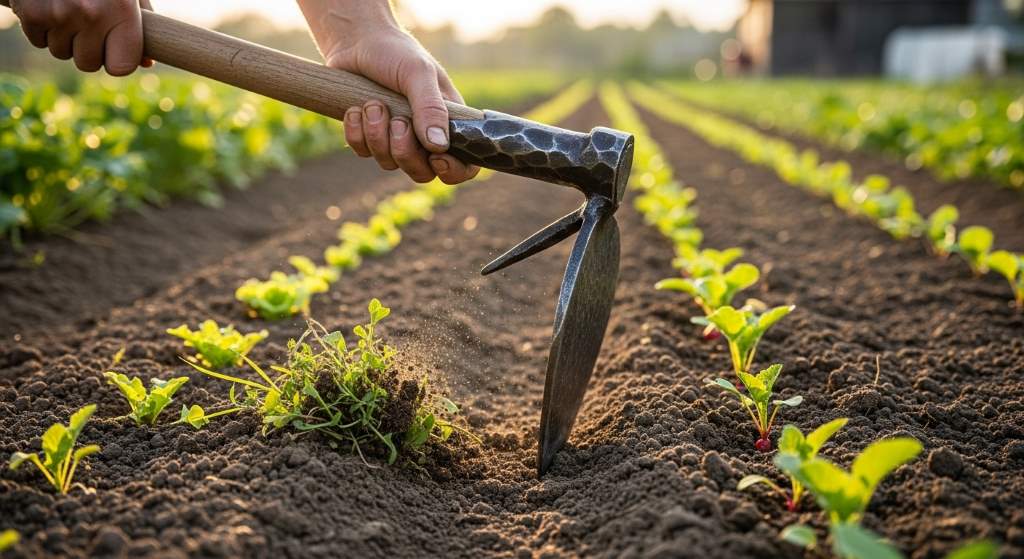
Gardeners know the frustration of a hoe that bends or breaks mid-season. You push through tough soil, and suddenly the blade snaps or the handle splinters. A quality hoe changes everything. It slices weeds cleanly and turns soil effortlessly year after year.
Over 185 million Americans garden regularly, according to recent surveys. In fact, 55% of households participate in gardening activities. Good tools make this rewarding hobby easier and more enjoyable.
If you seek a dependable option right away, check out Durable Garden Hoe models that stand up to heavy use. This guide helps you pick one that serves you for decades.
You deserve a tool that works as hard as you do. Let’s explore how to find it.
Why Investing in a Durable Garden Hoe Pays Off
Garden hoes face tough conditions. They battle rocky soil, roots, and constant moisture. Cheap models fail quickly, but strong ones endure.
Moreover, a reliable hoe saves time. You weed faster and with less effort. Your back thanks you, too, when the tool feels balanced and comfortable.
Additionally, durable hoes reduce waste. You replace them less often, which helps your wallet and the environment.
Many gardeners start with basic tools. Then they upgrade and wonder why they waited. A solid hoe turns chores into satisfaction.
For example, seasoned growers swear by hoes that last 20 years or more with proper care. You can achieve that longevity, too.
Understanding the Main Types of Garden Hoes
Garden hoes come in several styles. Each suits specific tasks. Choose wisely, and your hoe performs better and lasts longer.
First, consider your main jobs. Do you weed mostly, or dig often? Match the type to your needs.
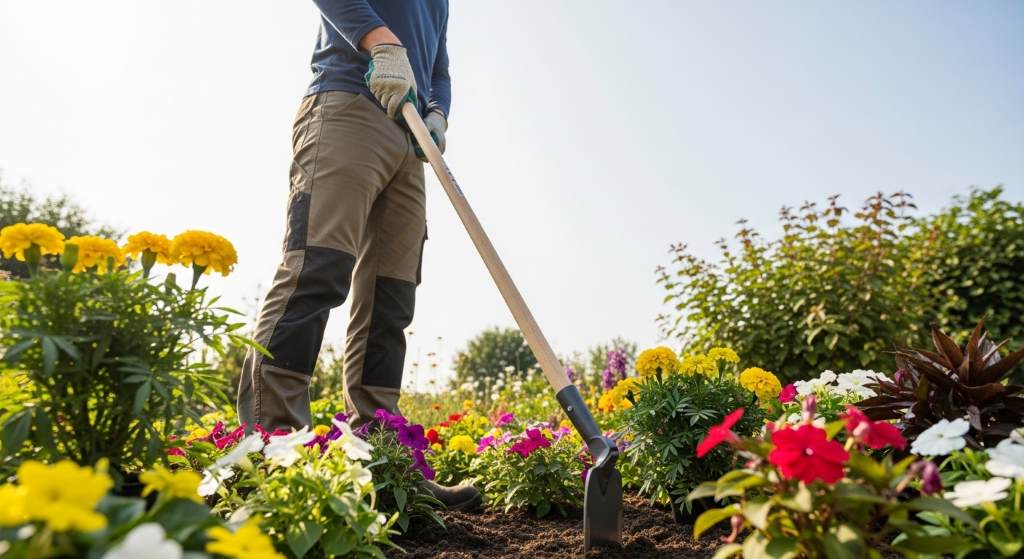
Draw Hoes
Draw hoes feature a flat blade at a right angle to the handle. You pull them toward you to chop weeds or mound soil.
These traditional tools handle heavy work well. They break up clods and create furrows easily.
However, they demand more strength than some other types. Still, forged versions prove incredibly tough.
Dutch Hoes (Push Hoes)
Dutch hoes have a sharp, open blade. You push them just under the soil surface to slice weed roots.
They excel at light weeding in established beds. The motion feels gentle on your body.
Furthermore, they glide smoothly in loose soil. Many gardeners prefer them for quick maintenance.
Stirrup Hoes (Scuffle or Oscillating Hoes)
Stirrup hoes look like a loop or stirrup on the end. You push and pull to cut weeds on both strokes.
These tools shine for efficient weeding. They disturb soil minimally, which preserves beneficial microbes.
In addition, oscillating models pivot for easier action. They rank among the most popular for vegetable gardens today.
Collinear Hoes
Collinear hoes have a thin, rectangular blade parallel to the handle. You stand upright and skim the surface.
They promote good posture. Your back stays straight during long sessions.
Gardeners with mobility issues often choose these. They weed precisely with little bending.
Grub Hoes (Heavy-Duty Digging Hoes)
Grub hoes combine a heavy blade with a pick on the opposite side. They tackle tough sod and hard ground.
These robust tools dig trenches and remove deep roots. They suit initial bed preparation.
Because of their weight, they build serious strength. Yet they last generations in demanding conditions.
Select the type that fits your garden style. Versatility matters, but specialization often brings better durability for frequent tasks.
Key Materials That Ensure Longevity
Materials decide how long your hoe survives. Focus on quality here, and you avoid regrets.
Blades and handles face different stresses. Understand both for smart choices.
Blade Materials: Steel Options Compared
Most hoe blades use steel. However, not all steels perform equally.
Carbon steel holds a razor edge. It sharpens easily and cuts aggressively.
Yet it rusts if neglected. Regular cleaning prevents this issue.
Stainless steel resists rust naturally. It works well in wet climates.
On the other hand, it may dull faster than carbon steel. Sharpening remains essential.
High-carbon forged steel offers the best balance. It stays sharp longer and resists bending.
Forged blades start as heated metal hammered into shape. This process aligns the grain for superior strength.
In contrast, stamped blades get cut from sheet metal. They bend more easily under pressure.
Experts agree forged blades outlast stamped ones significantly. They handle rocks and roots without failing.
Related:
What to know about arsenic in soil
The always green life of an evergreen tree
Handle Materials: Strength and Comfort
Handles connect you to the tool. They absorb shock and transfer force.
Ash wood provides classic feel. It flexes slightly to reduce hand fatigue.
Hickory ranks even stronger. It resists breaking during heavy chopping.
However, wood can rot if left wet. Dry it after use.
Fiberglass handles stay lightweight and weatherproof. They never splinter or crack from moisture.
Moreover, they vibrate less than metal. Your arms feel fresher after hours of work.
Aluminum handles offer similar benefits. They resist corrosion fully.
Some models combine materials. A steel ferrule connects blade to handle securely.
Look for solid connections. Loose joints fail first.
Choose handles that match your height. Longer ones let you stand tall.
Essential Features for Maximum Durability
Great hoes include thoughtful details. These features separate reliable tools from fragile ones.
Forged Construction Details
Seek one-piece forged heads. They eliminate weak weld points.
Thick blades resist warping. Measure at least 1/8 inch for heavy duty.
Sharp factory edges matter. They indicate quality heat treatment.
Ergonomic Designs That Protect Your Body
Comfort supports longevity. You use comfortable tools more carefully.
Cushioned grips prevent blisters. They absorb sweat for better control.
Long handles reduce bending. Adjust length to your height for neutral wrist position.
Some hoes add secondary grips. They provide leverage for tough pulls.
Lightweight overall balance fights fatigue. You swing accurately longer.
Connection Strength
Examine the socket or ferrule. It must grip tightly without wobble.
Rivets or solid sockets beat simple screws. They hold under torque.
Wood handles often swell to lock in place. This traditional method proves reliable.
How to Evaluate Quality Before Buying
You can spot durable hoes quickly. Follow these steps in the store or online.
First, feel the weight. Heavier often means thicker steel.
Next, check flex. Blades should resist bending by hand.
Then, inspect welds or forgings. Smooth finishes indicate care.
Read user reviews from real gardeners. Look for long-term reports.
Finally, trust reputable brands. They back quality with experience.
Maintenance Practices That Extend Hoe Life
Even the toughest hoes need care. Simple habits add years of service.
Daily Cleaning Routines
Wipe blades after each use. Remove soil and sap immediately.
Hose off stubborn dirt. Dry thoroughly to prevent rust.
Store indoors or under cover. Moisture accelerates wear.
Sharpening Techniques
Keep edges keen. Sharp hoes cut cleaner and stress less.
Use a mill file on carbon steel. Draw it along the bevel.
Stainless needs diamond stones sometimes. Maintain the original angle.
Sharpen both sides on scuffle hoes. Balance ensures smooth action.
Protective Coatings
Apply light oil to carbon blades seasonally. It blocks rust.
Linseed oil nourishes wood handles. It prevents cracking.
Some gardeners dip blades in oily sand buckets. This cleans and protects.
Storage Solutions
Hang hoes by handles. Keep blades off damp floors.
Use wall racks or dedicated sheds. Organization prevents damage.
Cover blades during off-seasons. Dust and scratches stay away.
Follow these steps, and your hoe stays ready always.
Common Mistakes Gardeners Make When Choosing Hoes
Avoid these pitfalls. They lead to premature tool failure.
First, many pick the cheapest option. Savings disappear with replacements.
Second, they ignore handle length. Wrong size strains backs unnecessarily.
Third, overlooking forged construction. Stamped blades disappoint in tough soil.
Additionally, forgetting maintenance plans. Even great tools rust without care.
Finally, buying without testing feel. Comfort drives frequent use.
Learn from others. Invest once in quality.
Real Gardener Stories: Hoes That Lasted Decades
Sarah inherited her grandfather’s draw hoe. It still chops perfectly after 40 years.
She cleans it religiously and sharpens annually. The ash handle darkened beautifully.
Mike switched to a forged stirrup hoe. It transformed his large vegetable plot.
Weeds vanish in half the time. The fiberglass handle shows no wear after 15 seasons.
These stories inspire. Proper choices create heirloom tools.
Conclusion
You now know exactly what makes a garden hoe durable. Focus on forged steel blades, quality handles, and smart features.
Match the type to your tasks. Prioritize ergonomics and solid construction.
Maintain it faithfully. Clean, sharpen, and store properly.
Your garden deserves reliable tools. Choose wisely today, and enjoy effortless weeding for years ahead.
Take action now. Assess your current hoe. Upgrade if needed. Your future self will appreciate the effort.
Start shopping with confidence. A lasting garden hoe awaits.
FAQs
What makes a garden hoe truly durable?
Forged high-carbon steel blades resist bending and hold edges longer. Strong handle connections and quality materials like fiberglass or hardwood add years of life. Regular maintenance seals the deal.
Which type of garden hoe lasts the longest?
Stirrup or scuffle hoes often outlast others for weeding tasks. Their oscillating action reduces stress on the blade. Forged versions handle heavy use without failing.
How do I know if a hoe blade is forged?
Look for hammer marks or seamless construction. Forged blades feel heavier and thicker. Product descriptions usually specify forging.
Do wooden handles last longer than fiberglass?
Both last well with care. Wood absorbs shock better but needs drying. Fiberglass never rots and stays lighter. Choose based on preference.
How often should I sharpen my garden hoe?
Sharpen whenever it struggles to cut weeds cleanly. For regular use, touch up every few sessions. Major sharpening once or twice per season keeps it perfect.
References