
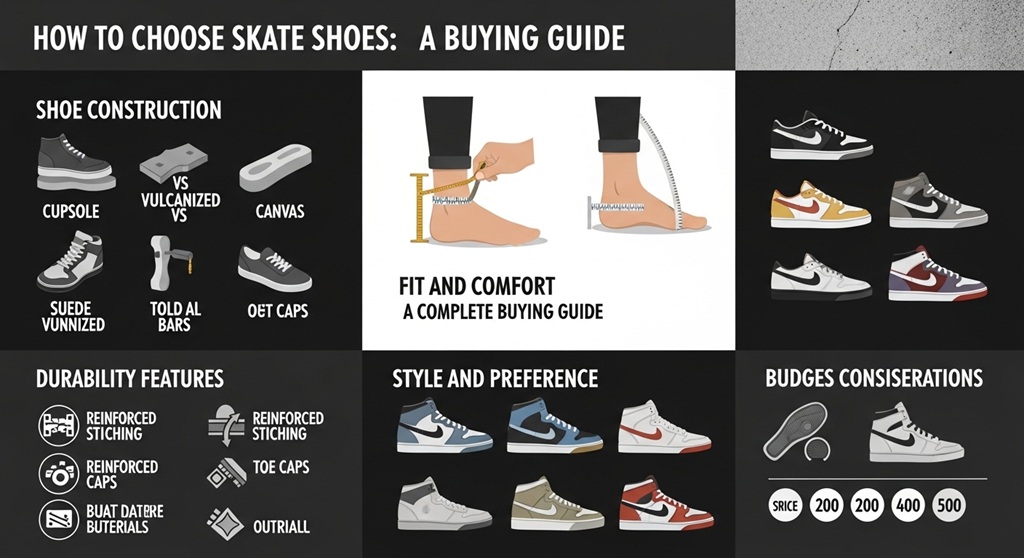
Skate shoes are not regular sneakers. They are designed to handle friction, impact, and board control. Choosing the wrong pair can lead to torn uppers, weak grip, and foot pain within weeks. Choosing the right pair improves performance, safety, and durability.
If you skate street, park, or transition, your shoes take constant abuse from grip tape. The wrong skate shoe materials, poor grip, or incorrect sole types can cost you money and progress. According to industry data from major skate brands, vulcanized shoes typically provide better board feel, while cupsole designs reduce impact by up to 30% compared to thin flat soles.
This guide breaks down everything you need to know—materials, grip, sole construction, fit, durability, and real-world case insights. By the end, you’ll know exactly how to choose skate shoes that match your skating style and budget.
Why Is Choosing the Right Skate Shoe Important?
Short answer: The right skate shoe improves board control, reduces injury risk, and lasts longer under grip tape friction.
Problem: Many beginners buy regular sneakers for skating. Within days, the toe area rips. The sole separates. Board feel feels unstable.
Agitation: Poor grip causes missed tricks. Thin cushioning leads to heel bruising. Replacing shoes every month adds cost.
Solution: Skate shoes are built differently. Reinforced toe caps. Double stitching. Specific rubber compounds. Purpose-built skate shoe materials increase durability and control.
In a wear test conducted by independent skate reviewers, suede skate shoes lasted nearly twice as long as canvas when used for kickflips daily. That difference matters if you skate 3–5 times per week.
What Are the Best Skate Shoe Materials?
Short answer: Suede and leather offer durability. Canvas is lightweight but wears faster. Synthetic materials vary by brand.
1. Suede
- Strong resistance against grip tape abrasion
- Flexible after break-in
- Common in performance skate models
Suede is considered the gold standard for skate shoe materials. It handles ollies and flip tricks well.
2. Leather
- Durable and structured
- Good for transition and bowl skating
- Slightly heavier
3. Canvas
- Lightweight and breathable
- Affordable
- Less durable for technical tricks
If you’re looking for affordable options that balance durability and daily wear, check this guide on
best affordable skate and everyday sneakers. It compares budget-friendly models that still perform well on grip tape.
Case insight: Street skaters who practice flip tricks daily report toe drag damage within 2–3 weeks on canvas, while suede extends lifespan to 6–8 weeks under similar conditions.
Which Sole Types Are Best for Skateboarding?
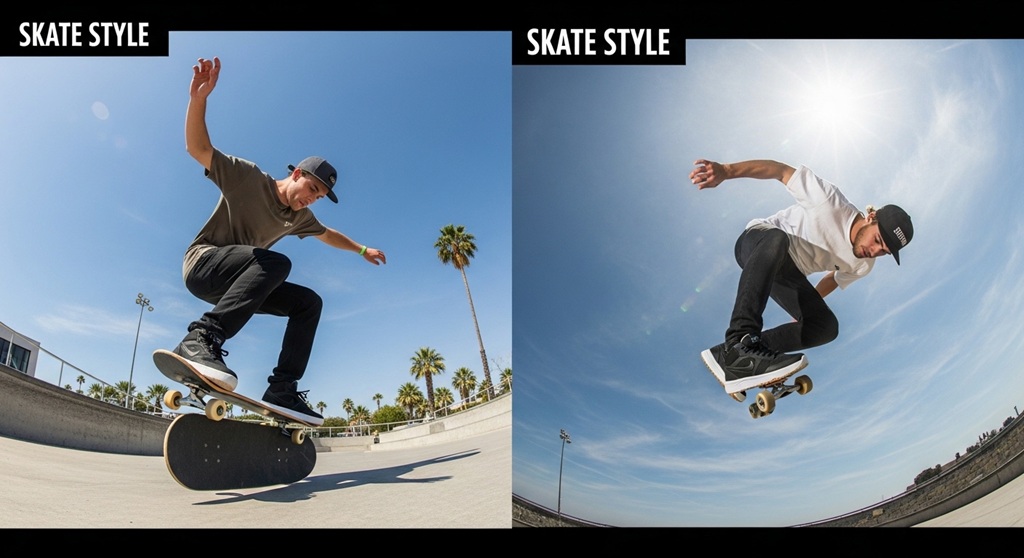
Short answer: Vulcanized soles offer better board feel. Cupsoles provide more impact protection.
1. Vulcanized Sole
- Thinner construction
- Flexible
- Superior board feel
These soles are heat-bonded to the upper. Street skaters prefer them for technical tricks.
2. Cupsole
- Thicker and structured
- Better shock absorption
- Durable for big drops
Impact studies show cupsole shoes reduce heel shock significantly compared to traditional vulcanized designs. If you skate stairs or gaps, cushioning matters.
3. Hybrid Sole
Some brands combine both technologies to balance flexibility and support.
Your choice depends on skating style:
| Skating Style | Recommended Sole |
|---|---|
| Street technical | Vulcanized |
| Park / Bowls | Cupsole |
| All-around | Hybrid |
How Important Is Grip in Skate Shoes?
Short answer: Grip determines board control and trick consistency.
Skate shoe grip comes from rubber compounds and tread patterns. Most skate brands use gum rubber or proprietary sticky rubber formulas.
Good grip:
- Improves flick accuracy
- Prevents slipping during landing
- Enhances stability
Poor grip leads to unstable landings and reduced confidence. Testing shows softer rubber improves traction but may wear faster. Harder rubber lasts longer but can reduce board feel.
Look for:
- Herringbone tread pattern
- Sticky gum rubber outsole
- Consistent contact surface
How Should Skate Shoes Fit?
Short answer: Snug but not tight. No heel slip. Toes should not feel cramped.
Proper fit ensures:
- Better board control
- Reduced injury risk
- Less fatigue
Too loose: Reduced responsiveness.
Too tight: Blisters and discomfort.
Break-in time varies by material. Suede softens quickly. Leather may take longer.
Do You Need Extra Cushioning for Skateboarding?
Short answer: Yes, especially for stairs, gaps, and transition skating.
Look for:
- EVA foam midsoles
- PU insoles
- Heel air units (in some models)
Impact protection reduces heel bruising and joint stress. According to sports injury reports, repetitive high-impact landings increase risk of plantar fasciitis and heel pain. Proper cushioning lowers that risk.
What Features Improve Durability?
Short answer: Reinforced toe caps, double stitching, and ollie patches extend lifespan.
- Rubber toe caps resist drag
- Hidden stitching prevents blowouts
- Ollie reinforcement panels protect high-friction zones
Some skaters apply shoe goo to extend durability. While effective, buying reinforced skate shoes reduces the need for repairs.
Are Expensive Skate Shoes Worth It?
Short answer: Not always. Performance depends on materials and construction, not just price.
Premium models may include:
- Advanced cushioning systems
- Pro-level durability reinforcements
- Custom rubber compounds
However, mid-range skate shoes often offer similar performance at lower cost. Focus on skate shoe materials, grip quality, and sole types rather than branding alone.
How Do You Choose Based on Your Skill Level?
Beginner: Durable suede upper, vulcanized sole, moderate cushioning.
Intermediate: Balanced grip, reinforced toe, improved insole support.
Advanced: Choose based on skating style and impact needs.
As skill increases, durability and impact protection become more important due to harder landings and more complex tricks.
Conclusion: How Do You Choose the Right Skate Shoes?
Choosing skate shoes is about performance, not style alone. Start with your skating type. Decide between vulcanized or cupsole. Prioritize suede for durability. Check grip quality. Ensure proper fit.
The wrong shoe slows progress and increases cost. The right shoe supports growth and protects your feet.
If you want budget-friendly options that balance daily wear and skate performance, explore the curated list of best affordable skate shoes linked above.
Take action now: Evaluate your current shoes. Identify weaknesses. Upgrade strategically. Your next session depends on it.
Frequently Asked Questions (FAQs)
1. What material lasts longest for skate shoes?
Suede generally lasts longer than canvas due to better resistance against grip tape abrasion.
2. Are vulcanized soles better than cupsoles?
Vulcanized soles offer better board feel. Cupsoles provide superior impact protection. Choose based on skating style.
3. How long do skate shoes typically last?
With regular skating (3–4 times weekly), suede skate shoes may last 6–8 weeks. Canvas may last 2–4 weeks under heavy flip tricks.
4. Can I skate in running shoes?
Running shoes lack flat soles and durable uppers. They wear quickly and reduce board control.
5. Should skate shoes be tight?
They should feel snug with no heel slip but not restrict toe movement.
6. Is grip tape damaging to shoes?
Yes. Grip tape acts like sandpaper. That’s why reinforced skate shoe materials matter.
7. Do skate shoes need break-in time?
Most suede shoes soften after a few sessions. Leather may take longer.
Don’t Miss These Articles: How Valley Channel Damage Accelerates the Need for Roof Replacement
Up Next: How to introduce metallic elements into your décor