
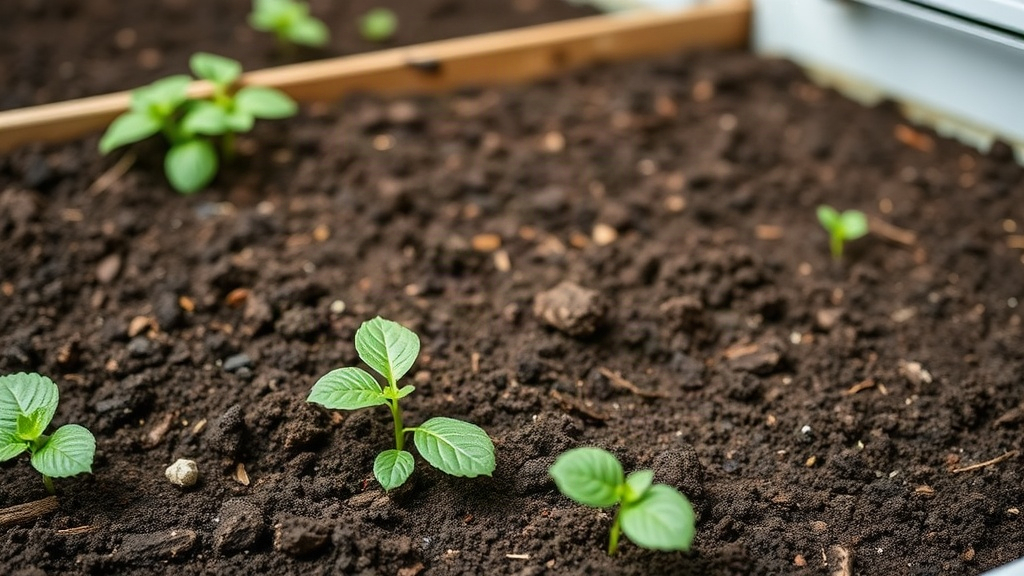
You press a finger into your raised bed in spring and it stops halfway. Fix Compacted Soil in a Raised Bed Without Tilling, and you skip the backbreaking work of digging or renting a tiller. The soil under your vegetables has fused into a hard layer that sheds water and strangles roots.
Quick answer: Loosen the top few inches with a fork if needed, then lay 2 to 4 inches of compost on the surface and let earthworms, roots, and frost do the deep work. Keep the bed covered, never step on it, and expect meaningful improvement in one to two seasons rather than overnight.
This article explains what compaction is, why it hurts raised beds, and the practical steps that restore loose, breathable soil without ever turning it over.
What is Fix Compacted Soil in a Raised Bed Without Tilling?
Compaction happens when soil particles get squeezed together and the air pockets between them collapse. In a raised bed, the usual suspects are foot traffic, heavy wheelbarrow loads, and years of watering that settle fine particles into a dense layer. Fix Compacted Soil in a Raised Bed Without Tilling means reversing that squeeze through biology and surface amendments instead of mechanical force.
Tilling temporarily fluffs soil, but it also shreds the fungal networks and worm channels that keep soil open. Those channels are the very structure you want back.
Think of the soil as a sponge with plumbing. Aggregates are the sponge, holding water and air, while old root and worm channels are the pipes that drain excess away. No-till protects both, and surface compost feeds the organisms that keep rebuilding them.
What "no till" really means in a raised bed
No till does not mean doing nothing. It means never inverting or churning the soil profile. You add organic matter to the surface, keep roots growing year-round, and let organisms move that material downward. The soil stays layered the way it formed naturally.
Why raised beds compact in the first place
A raised bed compacts faster than open ground for a few reasons:
- Small footprint: every step lands in the same growing area.
- Concentrated traffic: you reach across the bed and lean on the edges.
- Heavy fill: topsoil blends with clay and settle after repeated watering.
- Bare surfaces: rain pounds exposed soil into a crust.
A bed that looks loose on top can hide a hard pan four inches down. Push a thin metal probe or a wire flag into the soil to check. If it stops abruptly, you have found the compacted layer.
Open, crumbly soil is a biological product. Worms, roots, and fungi build channels that persist for years. Digging destroys them in minutes, which is why no-till beds keep improving while tilled beds re-compact each season.
The goal is a stable, crumbly structure that resists settling. That takes a season or two of steady inputs. Once established, the bed holds its tilth with far less effort.
Why Fix Compacted Soil in a Raised Bed Without Tilling matters
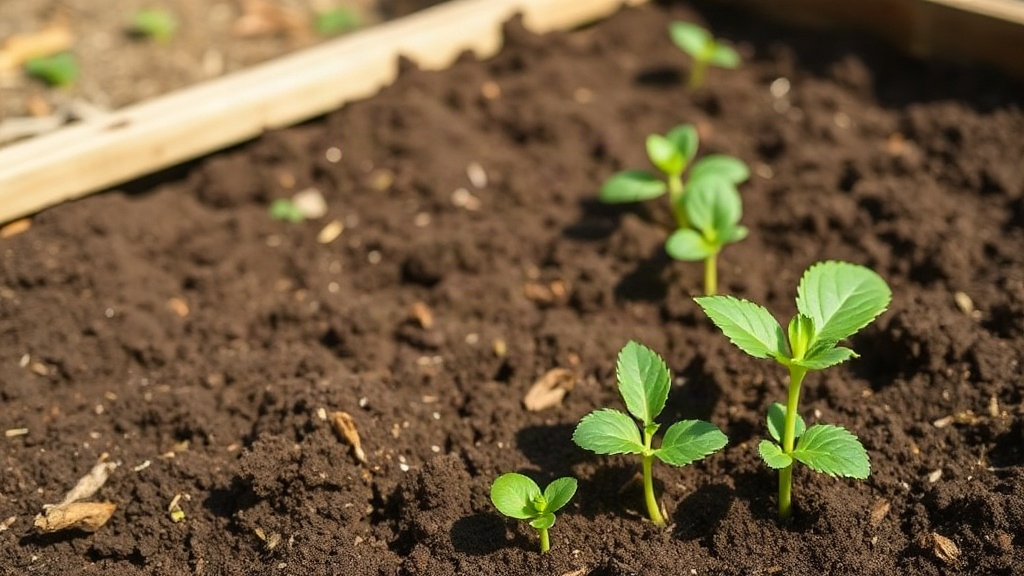
Roots need air as much as water. Compacted soil holds little oxygen, so plants stall, yellow, and wilt even when the bed is damp. Water also pools on the surface or runs off the sides instead of soaking down to the root zone. Fixing compaction without tilling addresses both problems at the source.
There is a seasonal cost to waiting, too. Every year a bed stays tight, transplants establish slower, fertilizer is wasted, and yields slip. Repairing structure now stops that slow decline and spares you the expense of replacing tired fill with fresh topsoil.
Healthier roots and stronger plants
When soil is dense, roots meet real resistance and grow shallow and twisted. Loose, structured soil lets roots reach deeper for moisture during dry spells. A tomato plant with room to root deeply handles a hot week far better than one trapped in a shallow crust.
Better water and nutrient movement
Compacted beds waste irrigation. Water sheets off a hard surface, and nutrients sit where roots cannot reach them. Restoring structure lets water infiltrate and carry dissolved nutrients down. You water less often and feed the root zone, not the crust.
Long-term gains over repeated tilling
Tilling offers a fast reset with a hidden cost. Each pass breaks aggregates and burns stored organic carbon. The soil re-settles within weeks, so you till again next season. That cycle keeps you dependent on machines and keeps structure weak.
A no-till approach builds stable aggregates that hold up through the season. The bed becomes easier to work every year rather than starting from scratch.
Push a wire flag into the bed in early spring and note the depth where it stops. Repeat in fall. That simple reading gives you real feedback on whether your no-till program is working, with no lab test required.
There is also a practical payoff. Loose beds drain faster after heavy rain, so seedlings avoid drowning. Fewer compacted zones mean fewer pest and disease problems, because stressed plants attract both. The effort you invest in structure returns as less watering, fewer replacements, and sturdier harvests.
Best practices
The routine is simple but must be consistent. Small, repeated actions beat one big intervention.
Time your compost for early spring or late autumn, when worms are active and the bed is not full of crops. Spread it evenly rather than in mounds, and water it in gently so it settles into the surface rather than forming a mat that sheds rain.
Add organic matter from the top
Spread 2 to 4 inches of finished compost across the bed surface each season. Do not dig it in; worms and watering will pull it down. Compost feeds the organisms that rebuild structure. Leaf mold or aged manure work too, applied in the same way.
Keep the bed covered year-round
Bare soil compacts under rain and bakes into a crust. A mulch of straw, shredded leaves, or untreated wood chips cushions the surface and keeps moisture steady. In winter, a cover crop such as crimson clover or winter rye keeps roots alive, and their channels remain open after the tops die back.
Grow deep-rooted plants to open the subsoil
Tap-rooted crops are a natural drilling crew. Daikon radish, alfalfa, and comfrey push through hard layers and leave channels behind when they decompose. Plant them in a problem corner or rotate them through the bed.
Stay off the soil
Build a simple path or standing board so you never press your weight onto the growing area. Reach from the edges instead of stepping in. The single biggest cause of re-compaction is foot traffic, and it is totally preventable.
Sinking a garden fork and rocking it gently, without lifting or turning, can open a badly compacted top layer. Keep it to the top six inches and only when necessary. It is a first-aid measure, not a routine.
Water slowly and feed the biology
Apply water slowly so it soaks in rather than running off. Occasional compost tea or a light organic mulch feed supports the worm and fungal activity doing the structural work. Combine these practices with the broader lawn and garden soil care principles you would apply elsewhere, scaled to the bed.
| Approach | Effort | Structure gained | Speed |
|---|---|---|---|
| No-till + compost + mulch | Low, steady | Stable, long-lasting | 1–2 seasons |
| Fork aeration only | Medium | Temporary | Weeks |
| Tilling | High | Weak, re-compacts fast | Immediate, brief |
The comparison with tilling shows why patience pays. The no-till route takes longer to show results, but the structure holds.
Common mistakes to avoid
Most failed no-till beds share the same handful of errors.
Skipping the winter cover is another quiet failure. Beds left empty from October to March lose the root channels that took a season to build, and spring rains seal the surface. A cheap sowing of rye or radish costs little and keeps biology active when you are not gardening.
Planting the same shallow-rooted crops in the same spots year after year also lets a hard layer re-form at a single depth. Rotate a tap-rooted crop through each section of the bed on a two- or three-year cycle so every zone gets drilled open.
Finally, do not confuse a crust with true compaction. A thin, hardened surface layer often softens after one mulch cycle, while a hard pan four inches down needs the full program. Probe at several depths before deciding how aggressive to be.
Digging to "help" the compost down
The instinct to turn compost under is understandable. It also destroys the very channels you are trying to build. Leave amendments on the surface and let biology do the mixing.
Leaving the soil bare
A bare bed loses the protective layer that keeps structure intact. Rain impact and sun both work against you. Keep mulch or a living cover in place at all times.
Adding sand to clay soil
Mixing sand into clay creates a concrete-like blend, not a looser soil. Stick with organic matter, which builds aggregates rather than gluing particles together.
Walking on the bed
One careless step compacts a small area for seasons. Set a rule and stick to it. Boards on the soil, paths alongside, boots off the growing area.
Expecting instant results
No-till repair is gradual. A bed may need two full seasons of compost and cover cropping before the probe slides in easily again. Judge progress by infiltration and plant vigor, not by looking loose on day one. A local extension office or your regional master gardener group can confirm which cover crops suit your climate.
FAQ
How long does it take to fix compacted soil in a raised bed without tilling?
Most beds show clear improvement in one to two seasons. Light compaction may loosen within a single growing season with compost and mulch. Heavy, clay-based fill can take two or three years of steady cover cropping before structure stabilizes.
Can I fix compacted soil without buying compost?
Yes. Leaf mold, aged manure, grass clippings, and shredded garden waste all work. Build a simple compost pile from kitchen and yard scraps. Free local sources include municipal compost programs and neighbors’ bagged leaves in autumn.
Is it worth renting a tiller just once to reset the bed?
A single tilling can give a quick visual reset, but it breaks structure and sets the biological clock back. If the compaction is severe and drainage is failing, a one-time fork aeration is the gentler choice. Commit to no-till afterward.
What cover crop is best for opening compacted soil?
Daikon radish and winter rye are top choices. Radish drills deep and dies back over winter. Rye adds fibrous roots and organic matter. Pick based on your climate and the season you have open.
How do I know the compaction is actually fixed?
Push a wire flag or thin probe into the bed. When it slides in easily past the old hard layer, structure is recovering. Steady water infiltration after rain is the second sign.
Conclusion
Fixing a compacted raised bed without tilling comes down to feeding biology and protecting structure. Add compost to the surface, keep the bed covered, grow deep roots, and stay off the soil. Expect steady progress over one to two seasons, not instant results.
Start this weekend: spread a layer of compost on your worst bed, top it with mulch, and push a probe in to mark your baseline. Repeat next spring and compare. The soil will tell you when it has healed.