
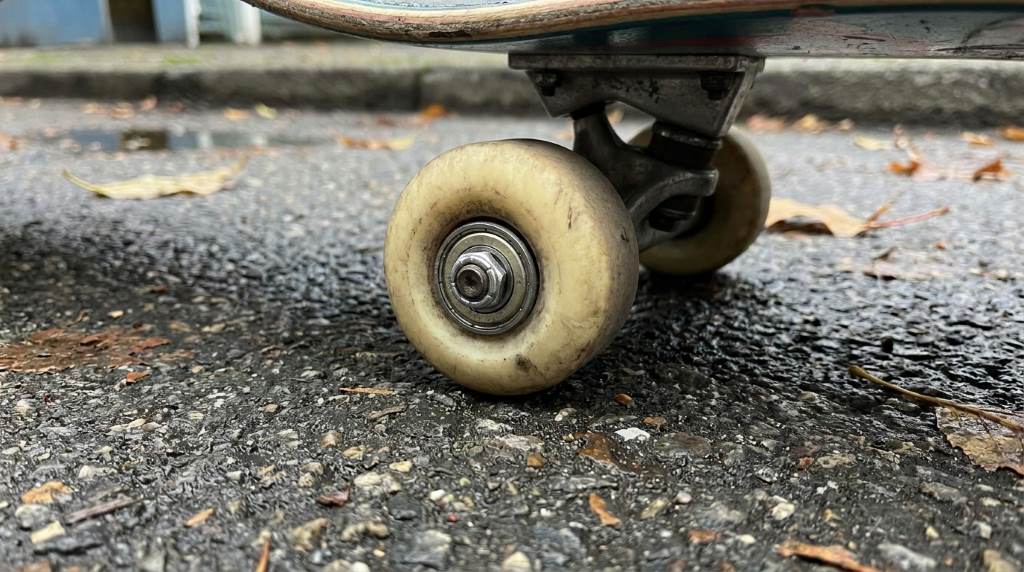
Skate wheels usually rattle because bearings, axle nuts, spacers, or hardware have excess movement. Fortunately, most rattles take minutes to diagnose and fix with basic skate tools. A properly maintained bearing can support thousands of wheel rotations during normal skating. Meanwhile, even a small amount of axle play can create noticeable noise. A careful Skateboard bearing upgrade can also improve smoothness when worn bearings cause the problem.
Key Takeaways
- Check axle nut tightness before replacing any skate components.
- Inspect bearings for side play, grinding, rust, or damaged shields.
- Use bearing spacers when your wheel setup requires proper alignment.
- Replace damaged hardware instead of repeatedly tightening loose parts.
- Test every wheel separately after making adjustments.
- Portland riders should address rattling before it affects wheel control.
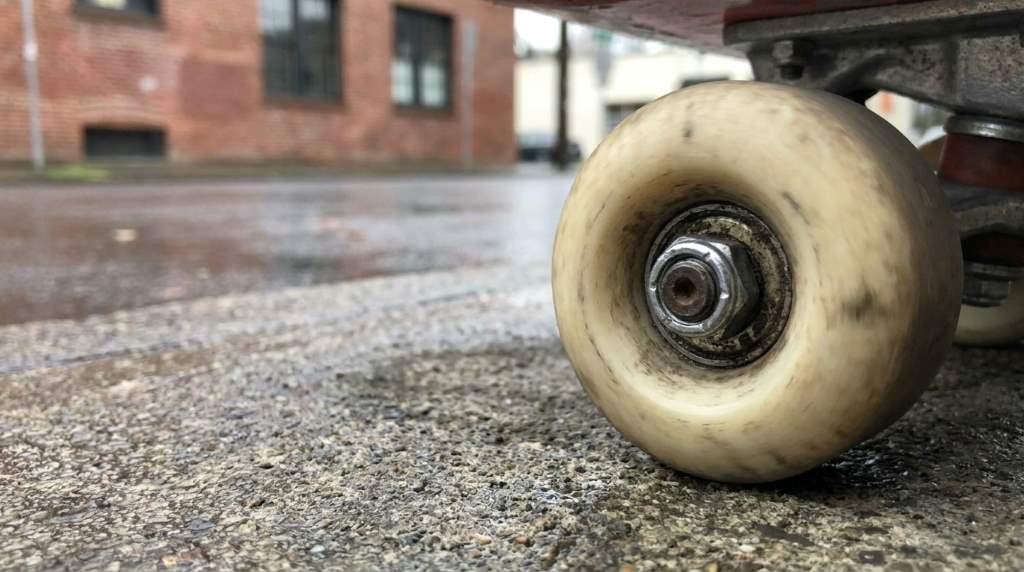
What Causes Skate Wheels to Rattle?
A rattling wheel rarely develops without a mechanical reason. Usually, one component allows more movement than the skateboard design should permit. The fastest diagnosis starts with the wheel itself rather than the entire skateboard.
First, hold the board firmly and move each wheel sideways with your fingers. A tiny amount of movement can occur, but obvious clicking deserves attention. Next, spin the wheel and listen for grinding, clicking, scraping, or inconsistent rotation.
The most common causes include loose axle nuts, worn bearings, missing spacers, damaged washers, and bent axles. Additionally, debris inside bearings can create intermittent rattling during rotation. Understanding the source prevents unnecessary parts replacement.
For younger riders, proper protective equipment also matters during troubleshooting and testing. A correctly fitted set of kids skate pads fit protection can reduce injury risk while testing repaired equipment. However, protective gear cannot compensate for loose or defective hardware.
Loose Axle Nuts
A loose axle nut remains one of the simplest causes to correct. When the nut does not secure the wheel properly, the wheel can shift against the axle. That movement often produces a metallic clicking or rattling sound.
Use the correct skate tool to tighten the nut gradually. Do not clamp it aggressively, because excessive pressure can restrict bearing movement. Tighten until the wheel sits securely while still spinning freely.
After tightening, grab the wheel and test its side-to-side movement again. If substantial play remains, investigate the bearings, washers, spacers, and axle condition. Never assume tightening alone will solve every rattling wheel.
Worn or Damaged Bearings
Bearings can develop internal wear after repeated impacts, moisture exposure, contamination, or poor maintenance. Damaged bearings often sound rough before they completely fail. Therefore, unusual noise deserves attention even when the wheel still spins.
Remove the wheel and rotate the bearing by hand. A healthy bearing should rotate smoothly without obvious grinding or repeated clicking. Replace bearings that feel gritty, wobble significantly, or resist consistent rotation.
Do not judge bearing condition solely by free-spinning time. Some bearings spin freely while carrying internal damage or excessive play. Smooth operation under realistic skating loads matters more than impressive spinning duration.
Missing Bearing Spacers
Bearing spacers sit between the two bearings inside many skateboard wheels. They help maintain alignment when the axle nut applies pressure across the wheel assembly. Without appropriate spacers, tightening can produce inconsistent bearing behavior.
Some wheel setups operate without spacers, but compatibility matters. If your previous setup used spacers, reinstall the correct size before diagnosing persistent wheel movement. Always match spacers with the wheel and axle configuration.
How to Diagnose a Rattling Skate Wheel
A systematic inspection saves time because several components can create similar noises. Begin with one wheel and complete the entire diagnostic process before moving elsewhere. This approach makes unusual movement easier to identify.
Start by checking the axle nut, then inspect the wheel bearings. Afterward, examine washers, spacers, the axle threads, and the wheel itself. Finally, reinstall the wheel and perform a controlled spin test.
Core stability also affects how riders perceive board movement during technical maneuvers. Training resources about a fastest core strength trainer can provide useful conditioning ideas. Better body control helps separate equipment noise from movement caused by rider technique.
Step 1: Check the Axle Nut
Place the board upside down on a stable surface. Hold the wheel and gently push it from side to side. If the wheel visibly shifts, inspect the axle nut before removing anything.
Use a skate tool to make small adjustments. Spin the wheel after each adjustment to monitor resistance. Stop tightening when the wheel remains secure without noticeably slowing its rotation.
Step 2: Test the Bearings
Spin the wheel while listening closely to its sound. A healthy bearing should produce a relatively consistent mechanical hum. Grinding, crunching, clicking, or uneven rotation suggests internal contamination or wear.
Next, remove the wheel if necessary and rotate each bearing independently. Compare suspicious bearings against a known-good bearing from another wheel. Differences in smoothness often reveal the faulty component quickly.
Step 3: Inspect Spacers and Washers
Look inside the wheel after removing it from the axle. Confirm that both bearings sit squarely inside their seats. Check whether the spacer remains centered between them.
Inspect the speed washers for bends, cracks, or unusual wear. A damaged washer can allow unwanted movement even when the axle nut appears tight. Replace questionable hardware rather than forcing it into service.
Step 4: Examine the Axle
Run your fingers carefully along the axle threads after removing the wheel. Look for flattened threads, visible bends, deep scratches, or damaged sections. A damaged axle can prevent proper wheel retention.
Also check whether the axle nut threads smoothly onto the axle. Resistance or cross-threading indicates a hardware problem requiring attention. Never force a damaged nut onto compromised threads.
How to Fix Rattling Wheels Safely
Once you identify the source, choose the smallest effective repair. Replacing every component rarely makes sense when one loose nut causes the noise. A targeted repair also reduces unnecessary maintenance costs.
Adjust the Axle Nut Correctly
Loosen the nut slightly before making controlled adjustments. Then tighten it gradually until the wheel feels secure. The wheel should spin smoothly without excessive lateral movement.
Many riders make the mistake of tightening until the wheel barely turns. That approach can increase bearing friction and reduce performance. Proper adjustment balances wheel security with unrestricted bearing movement.
Replace Bad Bearings
Replace bearings when cleaning cannot restore smooth operation. Rust, damaged races, cracked shields, and persistent grinding usually justify replacement. Installing matched bearings can also produce more predictable wheel performance.
Press bearings into the wheel evenly and avoid striking the bearing shields directly. Confirm that each bearing sits completely inside its seat. Then reinstall the spacer if your setup requires one.
Replace Missing or Incorrect Spacers
Measure or identify the correct spacer before installing a replacement. An incorrect spacer can prevent the bearings from seating properly. Consequently, the wheel may remain noisy despite having new bearings.
Install the spacer between the bearings before tightening the axle. Then apply moderate pressure through the axle nut. Test the wheel immediately after installation to confirm smooth rotation.
Replace Damaged Axle Hardware
Replace stripped axle nuts, badly worn washers, or damaged axles promptly. Hardware costs far less than the potential consequences of wheel instability. Moreover, worn hardware can undermine otherwise high-quality bearings.
Do not improvise with random nuts or washers from unrelated equipment. Skateboard hardware depends on compatible dimensions and thread specifications. Use components designed for the skateboard axle system.
When Portland Riders Should Get Professional Help
Many wheel rattles require simple maintenance, but some problems need professional inspection. Persistent noise after proper tightening indicates a deeper mechanical issue. Professional diagnosis becomes especially useful after heavy impacts or repeated falls.
Portland riders also face wet conditions that can accelerate bearing corrosion when boards receive inadequate drying. Moisture can enter bearings and gradually affect internal surfaces. Therefore, riders should inspect bearings after wet-weather exposure rather than waiting for obvious failure.
Professional service makes sense when an axle looks bent or wheel seating appears uneven. It also helps when several wheels develop unusual movement simultaneously. A technician can identify problems that basic home inspection may overlook.
Signs You Should Stop Riding
- The wheel moves dramatically from side to side.
- The axle threads appear stripped or visibly damaged.
- A bearing produces loud grinding during every rotation.
- The wheel stops unexpectedly during normal riding.
- A crack appears around the wheel bearing seat.
- The axle bends noticeably after an impact.
Any of these symptoms can compromise predictable wheel behavior. Stop riding the board until you identify and correct the mechanical problem. Continuing to skate can turn a small repair into a larger failure.
How Riding Style Can Create More Wheel Noise
Equipment problems do not always explain every unusual sound. Aggressive carving, repeated landings, rough pavement, and sliding place additional stress on wheel assemblies. Consequently, experienced riders should consider both hardware and riding conditions.
Technical board control can reduce unnecessary lateral loading during turns and transitions. Resources covering improve wave riding control can offer transferable balance concepts. Although surfing differs from skateboarding, both activities reward controlled weight distribution.
Hard impacts deserve particular attention because they can shift components without immediately causing visible damage. After a major landing, inspect the axle nuts and wheels before your next session. Early inspection can catch movement before it becomes dangerous.
Rough Portland Pavement and Wheel Rattle
Uneven pavement increases vibration throughout the truck, axle, bearing, and wheel assembly. Repeated vibration can gradually loosen hardware that previously felt secure. Regular inspections therefore become more important for riders using rough surfaces frequently.
Riding over wet pavement creates another concern because water can reach exposed hardware and bearings. Dry the board thoroughly after unexpected moisture exposure. Never store a damp skateboard inside a closed bag for extended periods.
How to Prevent Skate Wheel Rattling
Prevention requires consistent but simple maintenance. You do not need to disassemble your entire skateboard after every session. Instead, perform quick checks before problems become obvious.
Before each important session, test every wheel for excessive movement. Spin each wheel briefly and listen for unusual sounds. This inspection takes less than a minute and can reveal developing problems early.
After riding through wet conditions, dry the board and inspect the bearings. Remove visible moisture from axles, washers, and wheel surfaces. Store the skateboard somewhere dry with reasonable airflow.
Simple Maintenance Checklist
- Check axle nut tightness regularly.
- Spin every wheel before demanding sessions.
- Listen for grinding, clicking, or inconsistent rotation.
- Inspect bearings after water exposure.
- Check spacers whenever wheels receive new bearings.
- Replace visibly damaged hardware immediately.
Keep a skate tool with your essential riding equipment. That small tool lets you correct minor hardware problems before they interrupt a session. However, never use roadside adjustments to ignore serious axle or bearing damage.
Should You Replace the Wheels or Bearings?
Replace bearings when the wheel remains structurally sound but rotation feels rough. Replace wheels when their bearing seats, cores, or urethane show significant damage. Choosing the correct replacement prevents unnecessary spending.
Inspect the wheel core carefully before buying new bearings. A damaged core can create movement that new bearings cannot solve. Likewise, perfect wheels cannot compensate for severely damaged bearings.
If only one bearing fails, replacing the complete bearing set often provides more consistent performance. Matching bearings across all four wheels simplifies maintenance and produces uniform rotation characteristics. Still, your budget and existing equipment should guide the final decision.
Final Answer: Why Do Skate Wheels Rattle?
Skate wheels rattle mainly because of loose axle nuts, worn bearings, missing spacers, damaged washers, or compromised axles. Most minor rattles disappear after correctly adjusting or replacing the affected component. However, persistent movement requires a closer inspection before riding again.
For Portland skaters, regular maintenance matters because rough surfaces and moisture can accelerate mechanical wear. Start with the axle nut, then inspect bearings, spacers, washers, and axle threads. If the problem remains, have a qualified skate technician inspect the board.
Take five minutes before your next session to check every wheel. Fixing a small rattle early can protect your equipment and improve riding confidence. If you cannot identify the source, stop riding and seek professional skateboard service in Portland, OR.
Frequently Asked Questions
Why does my skateboard wheel rattle when I spin it?
A rattling wheel usually indicates loose hardware, worn bearings, missing spacers, or damaged internal components.
How tight should skateboard wheel nuts be?
Tighten wheel nuts enough to eliminate excessive movement while allowing the wheel to spin freely.
Can bad bearings make skateboard wheels rattle?
Yes, worn or contaminated bearings can produce clicking, grinding, rattling, and inconsistent wheel rotation.
Do skateboard wheels need bearing spacers?
Many setups benefit from spacers, but compatibility depends on the wheel, bearings, axle, and intended setup.
When should I stop riding because of wheel rattling?
Stop riding when the wheel has significant movement, damaged hardware, severe grinding, or visible structural damage.