Windy beach conditions can turn a relaxing fishing trip into a frustrating battle against tipping rods, tangled lines, and lost gear. A reliable beach fishing rod holder solves that problem by keeping your setup stable in soft sand and strong coastal winds. The best options use deep anchoring designs, corrosion-resistant materials, and secure rod locking systems to prevent movement even during rough surf conditions.
What Is the Best Beach Fishing Rod Holder for Windy Days?
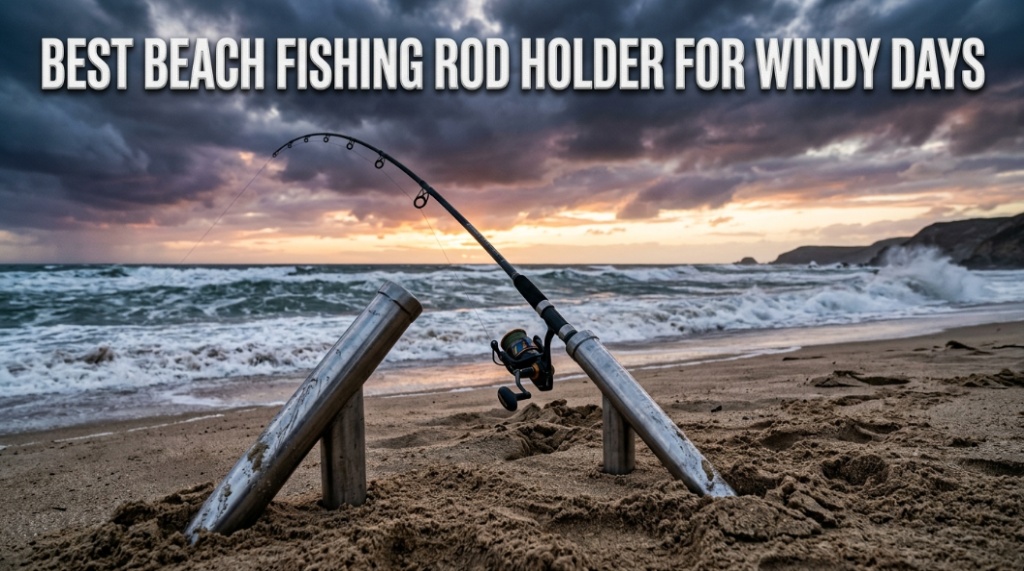
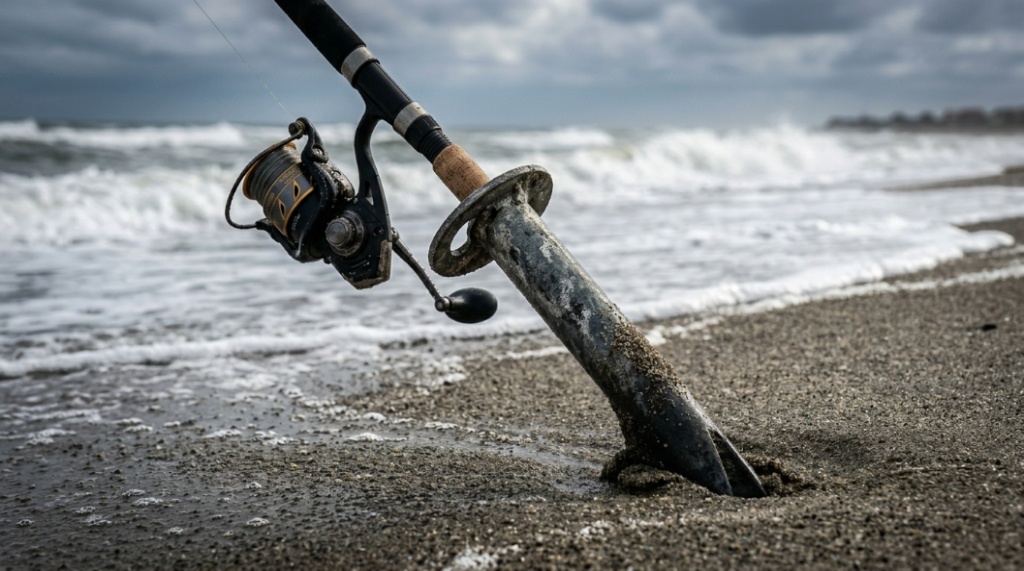
The best beach fishing rod holder for windy days is a heavy-duty sand spike or auger-style holder designed to stay anchored in loose sand during strong coastal gusts. Models made from aluminum, stainless steel, or reinforced PVC generally perform best for surf fishing and shoreline casting.
Beach anglers often underestimate how much wind affects rod stability. According to coastal weather studies, sustained beach winds above 15–20 mph significantly increase rod vibration and instability. Standard lightweight holders frequently fail under these conditions, especially during surf fishing sessions with larger bait setups.
That is why experienced surf anglers prioritize stability over portability when choosing shore fishing accessories.
Why Do Windy Conditions Make Beach Fishing More Difficult?
Windy conditions create instability, line drag, and rod movement that reduce casting accuracy and increase the risk of losing equipment. A proper rod holder minimizes these issues by securing the rod deep into the sand.
Strong coastal winds affect fishing in several ways:
- Rod holders shift or loosen in soft sand
- Fishing rods bounce excessively
- Line slack creates poor bite detection
- Salt spray accelerates corrosion
- Sand movement weakens shallow anchors
Surf anglers fishing for striped bass, red drum, pompano, or bluefish often use heavier sinkers and longer surf rods. These setups create additional leverage against weak holders.
A durable ground rod holder helps absorb that force and keeps your rod stable while waiting for bites.
What Features Should You Look for in a Beach Fishing Rod Holder?
The most important features are deep anchoring capability, corrosion resistance, rod security, and compatibility with soft sand conditions.
How Important Is Material Quality?
Material quality directly affects durability and resistance to saltwater corrosion. Stainless steel and anodized aluminum are typically the best choices for long-term surf fishing use.
Saltwater environments destroy low-quality metal quickly. Rust weakens structural integrity and can make rod holders unsafe after repeated exposure.
Best materials include:
- Marine-grade stainless steel
- Anodized aluminum
- UV-resistant PVC
- Fiberglass-reinforced composites
Cheap plastic holders often crack under pressure or UV exposure after a single season.
Why Does Holder Depth Matter?
Deeper rod holders perform better in windy conditions because they create stronger anchoring in loose beach sand.
Most experienced surf anglers recommend inserting sand spikes at least 12–18 inches deep. Auger-style holders provide even more grip because the spiral design locks into sand instead of relying only on downward pressure.
Do Adjustable Rod Angles Help?
Yes. Adjustable rod angles improve line visibility, reduce drag, and help prevent rods from being pulled sideways by wind or surf.
Many premium beach fishing rod holder models allow anglers to position rods vertically or at a lower surf angle depending on conditions.
What Types of Beach Fishing Rod Holders Work Best in Wind?
Auger-style sand spikes and heavy-duty stainless steel holders generally perform best during high winds because they anchor securely into soft beach terrain.
Are PVC Sand Spikes Good for Windy Beaches?
PVC sand spikes work well in moderate conditions but may struggle during strong wind or heavy surf situations.
They remain popular because they are:
- Affordable
- Lightweight
- Easy to transport
- Rust-resistant
However, thinner PVC holders can bend or loosen under pressure from larger surf rods.
Why Are Auger-Style Holders Popular?
Auger-style holders use a screw-like design that digs into sand for better stability during high winds.
Advantages include:
- Superior grip in loose sand
- Less tipping risk
- Better support for heavy surf rods
- Improved resistance against sideways force
Many surf fishing tournaments recommend auger systems because of their stability.
Are Metal Rod Holders Better Than Plastic?
Metal rod holders usually provide better durability and wind resistance than plastic alternatives.
Stainless steel holders withstand:
- High surf impact
- Strong wind pressure
- Heavy rod setups
- Long-term saltwater exposure
The downside is higher weight and cost.
Which Beach Fishing Rod Holder Designs Are Best for Surf Fishing?
Surf fishing requires long, stable rod holders capable of handling wave action, heavy sinkers, and larger rods.
| Rod Holder Type | Best For | Wind Resistance | Portability | Durability |
|---|---|---|---|---|
| PVC Sand Spike | Casual beach fishing | Moderate | Excellent | Moderate |
| Auger Sand Spike | Windy surf fishing | Excellent | Good | Excellent |
| Stainless Steel Spike | Heavy surf setups | Excellent | Moderate | Excellent |
| Tripod Rod Holder | Multi-rod fishing | Good | Moderate | Good |
Serious surf anglers usually prefer auger or stainless steel designs because they stay secure during changing tides and stronger winds.
How Deep Should You Place a Beach Fishing Rod Holder?
A beach fishing rod holder should typically be inserted 12–18 inches deep for stability in windy conditions.
Depth depends on:
- Sand softness
- Wind speed
- Rod length
- Surf conditions
- Sinker weight
Loose dry sand requires deeper placement than compact wet sand near the shoreline.
A common mistake is placing holders too close to active wave zones. Water saturation weakens sand grip and increases tipping risk.
What Is the Best Angle for a Surf Fishing Rod Holder?
The best angle is usually between 30 and 45 degrees because it reduces wind resistance while maintaining visibility and bite sensitivity.
Higher vertical angles work better when:
- Waves are rough
- Lines need elevation
- Current is strong
Lower angles perform better during calmer surf because they reduce rod flex from wind pressure.
Can a Cheap Rod Holder Handle Strong Beach Winds?
Budget rod holders can work temporarily, but most struggle during sustained windy surf conditions.
Low-cost holders often fail because they use:
- Thin plastic walls
- Weak anchoring systems
- Non-corrosion-resistant screws
- Poor structural reinforcement
Replacing cheap holders repeatedly often costs more than buying a quality model initially.
Experienced anglers generally recommend investing in dependable shore fishing accessories rather than replacing broken gear every season.
What Are the Best Shore Fishing Accessories for Windy Beaches?
The best shore fishing accessories improve stability, visibility, and gear protection during difficult beach conditions.
Useful accessories include:
- Sand spike rod holders
- Rod leashes
- Surf fishing carts
- Weighted tackle trays
- Wind-resistant bait buckets
- Rod bells or electronic bite alarms
- Waterproof tackle storage
Many surf anglers combine heavy-duty ground rod holders with rod leashes for additional security during rough conditions.
How Do Professional Surf Anglers Secure Their Rods in High Winds?
Professional surf anglers use deep-anchored holders, balanced rod positioning, and heavier terminal tackle to reduce movement.
Common strategies include:
- Using pyramid or Sputnik sinkers
- Positioning rods away from direct side wind
- Anchoring holders deeper than casual anglers
- Spacing rods farther apart
- Keeping reels above blowing sand
Competition surf anglers often carry multiple sand spikes because changing tides alter beach firmness throughout the day.
Are Tripod Rod Holders Better for Windy Beaches?
Tripod rod holders can work well in windy conditions, especially for anglers managing multiple rods, but they require proper setup.
Advantages of tripods:
- Elevated reel positioning
- Multiple rod support
- Good visibility
- Useful on rocky beaches
Disadvantages include:
- Reduced portability
- More wind exposure
- Less stability in loose sand
- Higher setup time
Many anglers still prefer traditional sand spikes for simplicity and better anchoring.
How Does Wind Direction Affect Rod Holder Performance?
Wind direction changes how force is applied to the rod and holder, which directly affects stability.
Side winds create the most tipping pressure because they push against the rod blank horizontally.
Facing rods slightly into the wind helps reduce lateral force. This technique improves stability and reduces unnecessary rod vibration.
Beach anglers fishing open coastlines often reposition their holders throughout the day as wind direction changes.
What Size Rod Holder Works Best for Long Surf Rods?
Long surf rods require taller and deeper holders capable of supporting additional leverage and weight.
Most 10–13 foot surf rods work best with:
- Long sand spikes
- Heavy-duty auger systems
- Wide-diameter tube openings
- Reinforced support collars
Using undersized holders increases breakage risk and rod instability.
How Do You Maintain a Beach Fishing Rod Holder?
Proper maintenance prevents corrosion, improves lifespan, and ensures reliable performance in saltwater environments.
Maintenance steps include:
- Rinse with freshwater after every trip
- Remove packed sand from joints
- Dry completely before storage
- Lubricate moving parts lightly
- Inspect for cracks or rust
Saltwater corrosion can develop quickly if equipment is stored wet after surf fishing sessions.
What Mistakes Should You Avoid When Using a Beach Rod Holder?
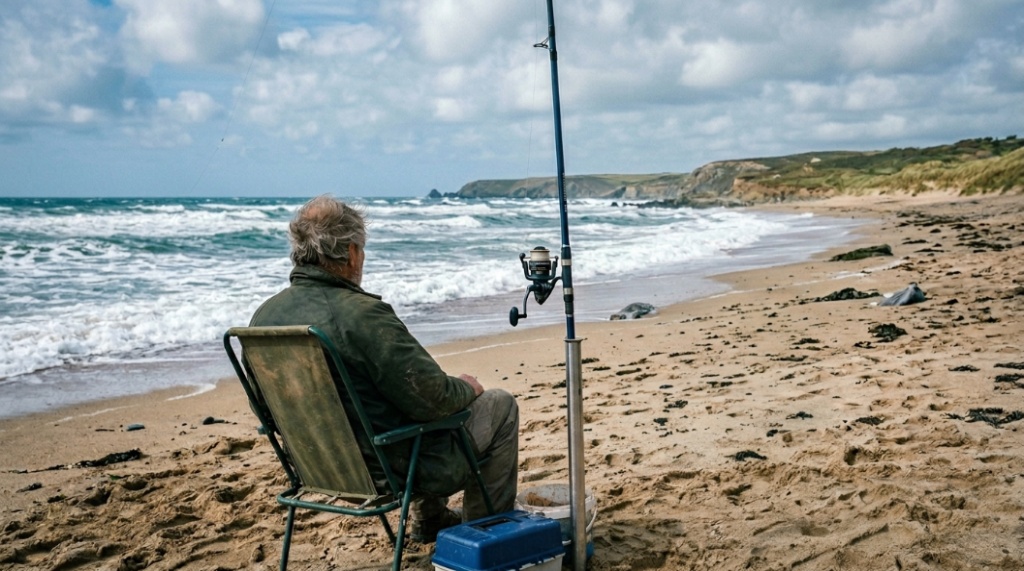
The biggest mistakes are shallow placement, poor positioning, and using lightweight holders in strong surf conditions.
Common errors include:
- Placing holders too close to waves
- Ignoring wind direction
- Using holders too small for the rod
- Failing to secure rods properly
- Leaving gear unattended during rising tides
Even expensive holders fail when improperly installed.
Conclusion
The best beach fishing rod holder for windy days combines deep anchoring, corrosion resistance, and strong structural support. Windy surf conditions place enormous stress on fishing setups, especially when using long rods and heavy sinkers. Cheap or shallow holders often fail when conditions become rough.
For most anglers, auger-style sand spikes and stainless steel surf holders provide the best balance of stability and durability. They hold securely in loose beach sand, resist saltwater corrosion, and support heavier surf fishing equipment without tipping.
Reliable shore fishing accessories also improve comfort, efficiency, and catch success during long sessions on the beach. Investing in quality ground rod holders protects expensive rods while improving bite detection and reducing frustration.
If you regularly fish windy beaches, upgrading your rod holder setup is one of the smartest improvements you can make. A stable rod means better control, safer gear, and more time focused on catching fish instead of chasing equipment across the sand.
Frequently Asked Questions
What is the best material for a beach fishing rod holder?
Marine-grade stainless steel is usually the best material because it resists saltwater corrosion and provides excellent durability in rough surf conditions.
How deep should a sand spike go into the beach?
Most sand spikes should be inserted at least 12–18 inches deep to remain stable during windy surf fishing conditions.
Do auger-style rod holders work better in soft sand?
Yes. Auger-style holders perform better in soft sand because their spiral design locks into the ground more securely than straight spikes.
Can PVC rod holders handle heavy surf rods?
Heavy-duty PVC holders can support moderate surf rods, but stainless steel or reinforced aluminum holders generally perform better with large surf setups.
Are tripod rod holders good for beach fishing?
Tripod rod holders are useful for anglers using multiple rods or fishing rocky beaches, but traditional sand spikes usually provide better stability in loose sand and strong winds.
Why do beach rod holders fail during windy weather?
Rod holders usually fail because they are inserted too shallow, made from weak materials, or improperly positioned against strong side winds.
What accessories help during windy surf fishing?
Useful accessories include rod leashes, weighted tackle trays, surf carts, bite alarms, waterproof storage, and heavy-duty ground rod holders.
📌 Related Reads
Discover: How to Choose the Best Artificial Shrimp Lures for Saltwater Fishing
Explore: How to Find Trendy Plus Size Swimwear That Enhances Your Curves