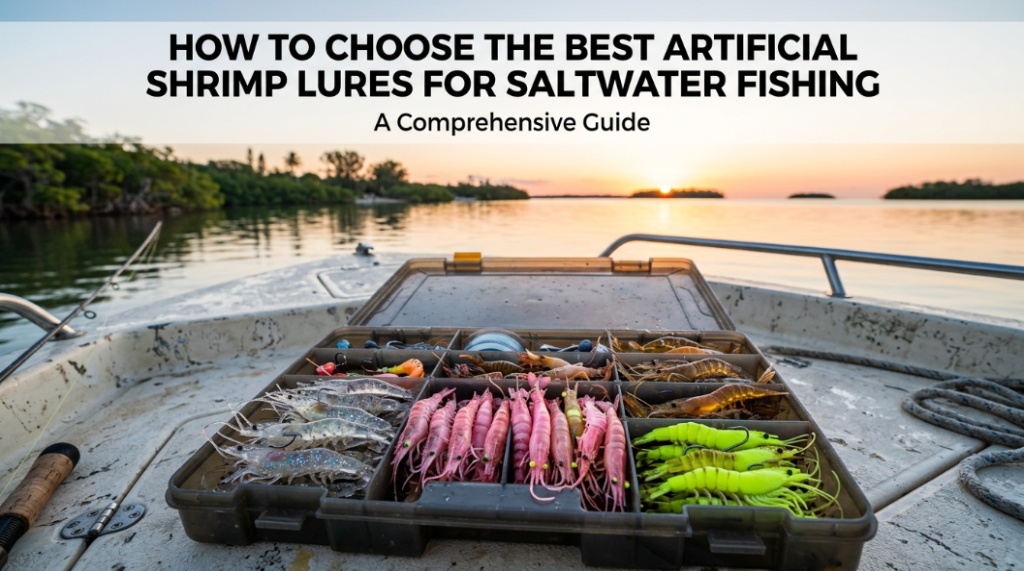
Artificial shrimp lures are realistic fishing baits designed to mimic live shrimp, and the best choice depends on water conditions, target species, depth, and presentation style.
You can cast all day and still come home empty-handed if your lure doesn’t match what fish are feeding on. In saltwater fishing, shrimp are one of the most common prey species—yet many anglers overlook how critical lure selection is. Using the wrong artificial shrimp lure can mean missed strikes, spooked fish, and wasted time.
Artificial shrimp lures are designed to imitate the look, movement, and behavior of real shrimp, making them highly effective for species like redfish, snook, trout, and flounder. But not all shrimp lures perform the same. Differences in size, color, weight, and action can dramatically affect results.
If you’ve ever wondered why others are catching fish while you’re not—despite fishing the same spot—your lure choice might be the missing piece. This guide breaks down exactly how to choose the right artificial shrimp lure for saltwater conditions, so you can fish smarter and increase your catch rate.
What makes artificial shrimp lures so effective in saltwater fishing?
Artificial shrimp lures work because shrimp are a primary food source for many saltwater species, triggering natural feeding instincts.
Shrimp are present year-round in most coastal ecosystems. According to marine fisheries research, shrimp make up a significant portion of the diet for species like speckled trout and redfish—sometimes over 60% depending on the season.
Artificial shrimp lures replicate:
- Natural swimming motion
- Erratic darting when startled
- Subtle sinking behavior
- Visual cues like antennae and segmented bodies
This combination makes them highly convincing, especially in pressured fishing areas where fish are wary of artificial presentations.
How do you choose the right size of artificial shrimp lure? 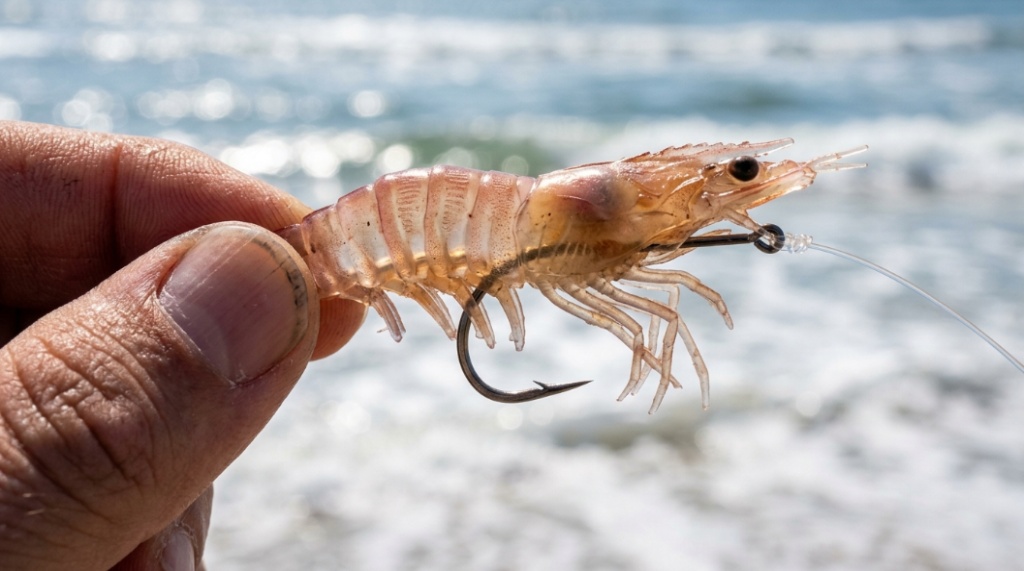
Match the lure size to the local baitfish and shrimp size, typically ranging from 2 to 4 inches for most saltwater species.
Choosing the correct size is one of the biggest factors in success. Fish are selective, especially in clear water conditions.
General size guidelines:
- 2–3 inches: Ideal for finicky fish or clear water
- 3–4 inches: Standard size for most conditions
- 4+ inches: Best for targeting larger predators
If you’re unsure, observe live shrimp in the area or check local bait shops. Matching the hatch increases strike rates significantly.
Which colors work best for artificial shrimp lures?
Use natural colors in clear water and brighter or contrasting colors in murky conditions.
Color selection should always match water clarity and light conditions.
Best color strategies:
- Clear water: Natural tones like brown, tan, or translucent
- Murky water: Bright colors like chartreuse, pink, or white
- Low light: Dark silhouettes like black or purple
Many experienced anglers follow the rule: “Clear water, natural colors. Dirty water, bold colors.”
What type of artificial shrimp lure should you use?
The best type depends on fishing conditions—soft plastics, hard lures, and pre-rigged shrimp all serve different purposes.
| Lure Type | Best Use | Pros | Cons |
|---|---|---|---|
| Soft Plastic Shrimp | Versatile, shallow water | Realistic, flexible | Less durable |
| Hard Shrimp Lures | Deeper water, strong current | Durable, consistent action | Less natural feel |
| Pre-rigged Shrimp | Beginners, quick setup | Easy to use | Less customizable |
Soft plastics are the most popular due to their lifelike movement, while hard lures excel in tougher conditions.
How important is lure action when choosing artificial shrimp lures?
Lure action is critical—natural, subtle movement mimicking real shrimp behavior increases strikes.
Real shrimp don’t swim smoothly. They:
- Hop along the bottom
- Dart suddenly when startled
- Sink slowly when inactive
The best artificial shrimp lures replicate this behavior. Look for lures designed with segmented bodies, flexible tails, and balanced weighting.
Should you use weighted or unweighted shrimp lures?
Use weighted lures for deeper water and current; unweighted lures for shallow flats and natural presentation.
Weight affects how your lure behaves in the water column.
When to use each:
- Weighted: Strong current, deeper channels, faster sinking
- Unweighted: Shallow water, slow presentation, less spooking fish
Some anglers prefer adjustable jig heads to fine-tune depth control.
What fishing conditions affect your shrimp lure choice?
Water clarity, depth, tide movement, and weather conditions all influence the best lure selection.
Ignoring conditions is a common mistake. Successful anglers adapt constantly.
Key factors:
- Tide: Moving water increases feeding activity
- Depth: Determines lure weight and sink rate
- Clarity: Affects color choice
- Wind: Influences casting distance and lure control
For example, during incoming tides, fish are more aggressive, making faster-moving lures effective.
Which species respond best to artificial shrimp lures?
Redfish, snook, speckled trout, and flounder are highly responsive to shrimp lures.
These species rely heavily on shrimp as a food source.
- Redfish: Feed in shallow flats—ideal for soft shrimp lures
- Snook: Ambush predators—prefer lifelike presentation
- Speckled trout: Strike in mid-water column
- Flounder: Bottom feeders—best targeted with slow-moving lures
Understanding fish behavior helps refine lure selection and presentation.
How do you rig artificial shrimp lures correctly?
Rigging should ensure natural movement, proper balance, and minimal line visibility.
Incorrect rigging reduces effectiveness, even with high-quality lures.
Common rigging methods:
- Jig head rig for controlled depth
- Weedless rig for grassy areas
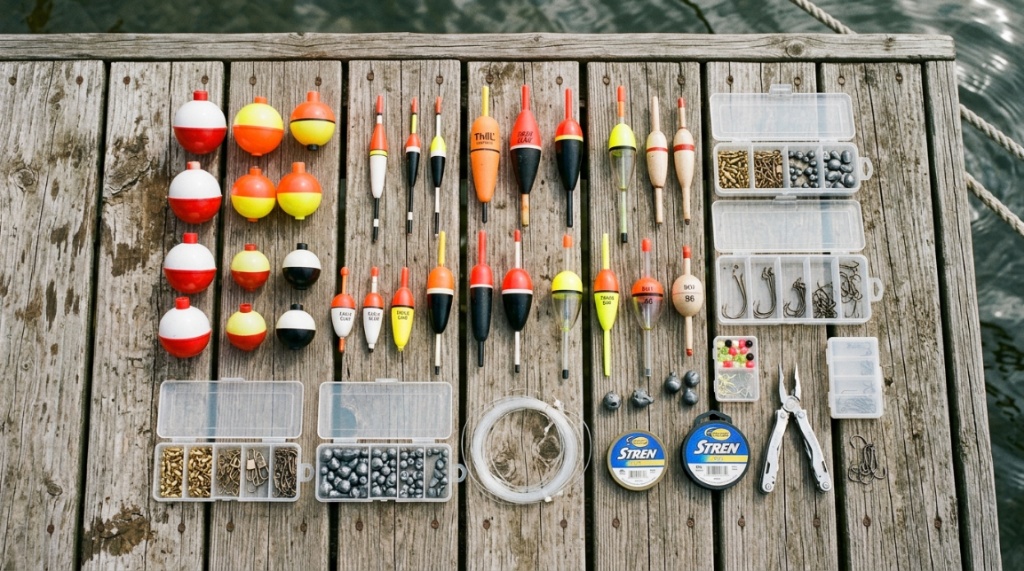
- Popping cork setup for added attraction
The popping cork method is especially effective—it creates sound and movement that mimic feeding activity.
What are common mistakes when choosing shrimp lures?
Using the wrong size, ignoring water conditions, and poor presentation are the most common mistakes.
- Choosing bright colors in clear water
- Using oversized lures in pressured areas
- Ignoring lure action
- Fishing too fast or too slow
Even experienced anglers fall into these traps. Adjusting small details often leads to big improvements.
Conclusion
Choosing the right artificial shrimp lure isn’t about guesswork—it’s about matching real-world conditions and fish behavior. The most effective anglers focus on size, color, action, and environment rather than relying on a single “magic” lure.
Start by matching local shrimp size, adjust color based on water clarity, and choose the right weight for your depth. Then refine your presentation. These small decisions compound into better results on the water.
If you want to catch more fish consistently, stop switching spots—and start optimizing your lure selection. Apply these principles on your next trip, and you’ll notice the difference.
FAQ
Are artificial shrimp lures better than live shrimp?
Artificial shrimp lures are more durable and convenient, while live shrimp offer stronger scent and realism.
Artificial lures are ideal for repeated casting and long sessions, while live bait works best for passive fishing.
What is the best retrieve technique for shrimp lures?
A slow, hopping retrieve that mimics natural shrimp movement is most effective.
Use short twitches followed by pauses to imitate real shrimp behavior.
Can you use shrimp lures in freshwater?
Yes, but they are most effective in saltwater where shrimp are a natural food source.
Some freshwater species may still respond, especially in brackish environments.
Do shrimp lures work at night?
Yes, especially when using darker colors that create strong silhouettes.
Fish rely more on contrast and vibration in low-light conditions.
How long do artificial shrimp lures last?
Soft plastics may last a few trips, while hard lures can last for years.
Durability depends on material quality and fishing frequency.
What rod and reel setup works best with shrimp lures?
A medium-light spinning setup provides the best sensitivity and control.
This allows for precise movement and better strike detection.
📌 Related Reads
👉 Explore choose skate shoes: a complete buying guide
👉 Learn how to affordable kitchen utensils in 2026: what’s worth buying?