Anyone who surfs, swims, or spends time at the beach knows the struggle of changing clothes without a proper shelter. You end up hopping on one foot, clutching a towel that keeps falling, and hoping no one is watching. A surf poncho changing robe solves all of that. It is one of the most practical pieces of beach changing gear you can own. In this guide, you will learn how to use it properly, why it matters, and how to get the most out of every beach visit.
What Is a Surf Poncho Changing Robe?
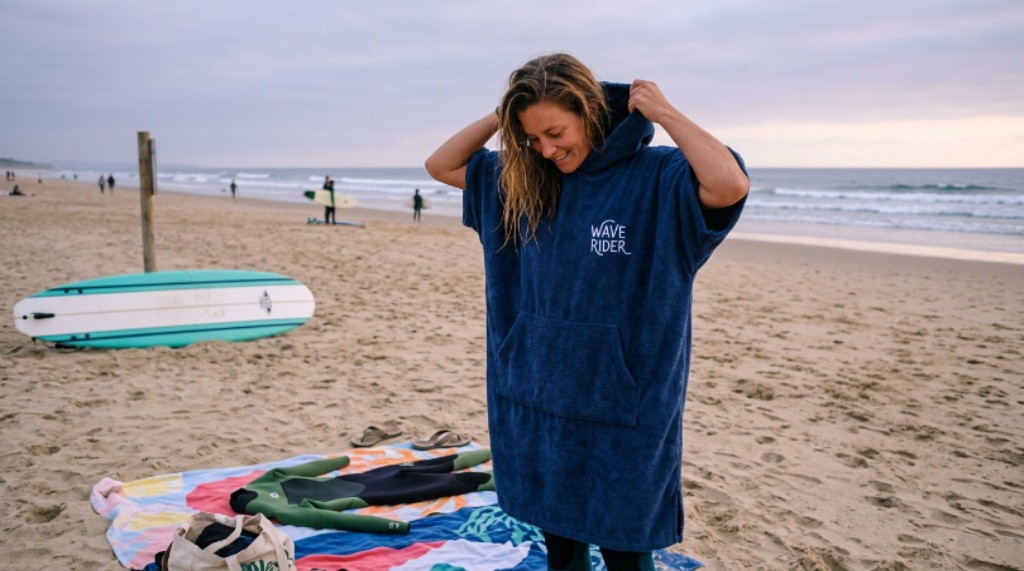
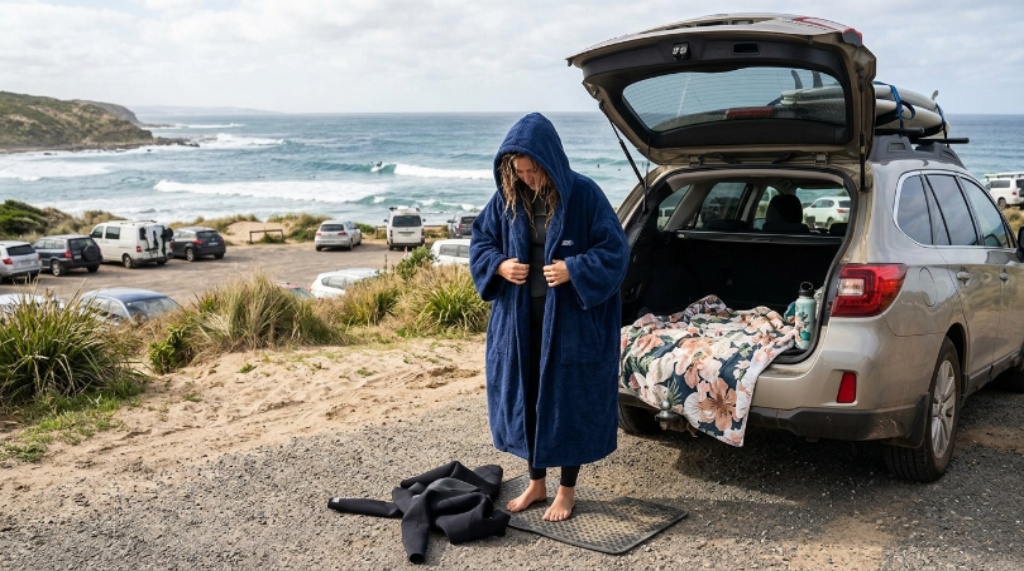
A surf poncho changing robe is a large, hooded towel-like garment that slips over your head and hangs down past your waist. It is designed to let you change clothes underneath without exposing yourself in public. Think of it as a portable, wearable changing room.
Most ponchos are made from microfiber or terry cloth. They dry fast, feel soft, and absorb water well. Some people call it a surf changing towel because it serves both purposes: drying you off and giving you cover while you change. It is widely used by surfers, swimmers, triathletes, and even parents at the pool.
Why You Need One at the Beach
Beaches do not always have private changing rooms nearby. Even when they do, the walk back to your car can leave you cold and wet. A surf poncho solves this problem instantly.
Here are the key reasons beach-goers love this gear:
- It gives you instant privacy without needing a separate space.
- It keeps you warm after coming out of cold water.
- It dries your body and hair at the same time.
- It is lightweight and packs into a small bag.
- It works for children and adults alike.
Additionally, many public beaches and surf spots have rules against changing in open areas. Having a poncho means you never have to worry about breaking those rules or feeling awkward in front of strangers.
How to Use a Surf Poncho Changing Robe Step by Step
Using a surf poncho is simple, but a few tips will make the experience even smoother.
Step One: Put On the Poncho Over Your Wetsuit or Swimwear
Start by slipping the poncho over your head while you are still in your wet swimsuit or wetsuit. The hood sits on your head, and the body of the robe drapes around you. At this point, you are fully covered from your shoulders to your thighs or lower, depending on the size.
Step Two: Dry Off Inside the Robe
Before you start changing, take a moment to dry your upper body. Lift the front of the robe slightly and use the inner fabric to pat yourself dry. The robe acts as a privacy robe and a towel at the same time, so use both functions together.
Step Three: Remove Your Wet Clothing
Now, reach underneath the robe and remove your wetsuit or swimwear. Work from the top down. If you are wearing a wetsuit, peel it off your shoulders first, then your torso, then your legs. Let the fabric of the robe shield your movements from view. It takes a little practice, but most people get the hang of it quickly.
Step Four: Put On Your Dry Clothes
Once your wet gear is off, reach underneath and pull on your dry clothes. Start with your underwear or shorts, then move to your top. Because the robe hangs loosely, there is plenty of room to maneuver your arms and legs without flashing anyone nearby.
Step Five: Remove the Poncho
Finally, lift the robe off over your head. You are now fully dressed in your dry clothes. The whole process takes about two to three minutes once you are comfortable with it.
Tips for Getting the Most Out of Your Poncho
A few small habits will help you get maximum use from your robe every time you hit the beach.
Keep your dry clothes accessible. Before you enter the water, place your dry outfit inside your bag in an easy-to-reach spot. This saves time when you come out wet and cold. There is nothing worse than digging through a crowded bag while dripping all over the sand.
Shake out sand before you leave. Sand sticks to wet fabric easily. Give the poncho a good shake before you pack it away. This keeps your bag and car cleaner.
Rinse it after salty swims. Salt and chlorine break down fabric over time. Rinse your robe with fresh water after each ocean or pool session, and wash it regularly according to the care label.
Choose the right size. A poncho that is too short will not give you full coverage. Most adult ponchos fall to mid-thigh or the knee. If you are taller, look for an extended or oversized version that provides better coverage.
Choosing the Right Surf Changing Towel for Your Needs
Not all ponchos are the same. When you shop for beach changing gear, consider these factors.
Material matters a great deal. Microfiber ponchos are lighter and dry faster. Terry cloth ponchos feel softer and are more absorbent. If you surf in cold conditions, a thicker terry cloth option will keep you warmer after a session.
Look at the hood design. A well-fitted hood keeps wind off your neck and helps dry your hair. Some hoods are large enough to towel-dry your hair from the inside, which is a handy feature.
Check the pockets. Many ponchos include a kangaroo pocket at the front. This is useful for storing keys, a phone, or coins while you change or relax on the beach.
Consider the length. Taller surfers should look for ponchos labeled “long” or “XL.” A standard adult poncho may not cover enough if you are above average height.
Common Mistakes to Avoid
Even with a great poncho, a few mistakes can make the changing process harder than it needs to be.
Trying to change too fast is one of the biggest errors. Rushing leads to tangled clothes and lost balance. Take your time, especially when removing a wetsuit. Wetsuits are tight and need to be worked off slowly.
Not pre-positioning your dry clothes is another common problem. If your dry outfit is buried at the bottom of your bag, you will spend a long time searching while standing wet in the wind.
Skipping the drying step is also a mistake. If you put dry clothes on a very wet body, you will feel uncomfortable and cold quickly. Spend thirty seconds drying off inside the poncho before you start dressing.
Who Benefits Most from a Surf Poncho
Surfers are the most obvious users, but this product works for a much wider group of people. Triathletes use ponchos during transition zones to change quickly between swimming and cycling. Swimmers at outdoor pools use them for warmth and privacy after races. Parents at children’s swim lessons use them to dry and change their kids without heading to a crowded changing room.
Hikers and kayakers who need to cross streams or wade through water also find ponchos useful for changing back into dry clothes. Even festival-goers bring them for outdoor showers or mud runs.
Conclusion
A surf poncho changing robe is a small investment that makes a big difference in your beach experience. It combines warmth, drying ability, and privacy into one lightweight garment. By following the simple steps above, you can change quickly and comfortably anywhere, from busy surf beaches to remote lakeside spots. Choose the right material and size for your needs, keep your dry clothes handy, and rinse the robe after each use. Once you try it, you will wonder how you ever managed without one.
Frequently Asked Questions
Can I use a surf poncho as a regular beach towel?
Yes, you can. Most ponchos are made from absorbent fabric and work well as a towel. However, they are designed primarily for changing, so a flat beach towel may be more comfortable for lying on the sand.
How do I keep my balance while changing under a poncho?
Stand with your feet shoulder-width apart for stability. If needed, lean against your car or a wall. Some people prefer to sit on a cooler or low chair while removing a wetsuit for added control.
Are surf ponchos suitable for children?
Absolutely. Many brands make ponchos specifically for children. They come in smaller sizes and fun designs. They are especially useful for young swimmers who need quick post-lesson warm-up and changing.
How do I wash and care for my poncho?
Most ponchos are machine washable. Use cold water and a gentle cycle. Avoid fabric softeners, as they reduce absorbency over time. Air drying is usually recommended to preserve the fabric.
What size poncho should I buy?
For most adults, a standard adult poncho works well. If you are taller than six feet or prefer more coverage, look for an oversized or long version. When in doubt, size up, as a slightly larger poncho is always easier to use than one that is too small.
Related Topics:
How to Build the Perfect Cold Water Surfing Gear Setup
How to Find the Best Rash Guard for Men Surfing on a Budget