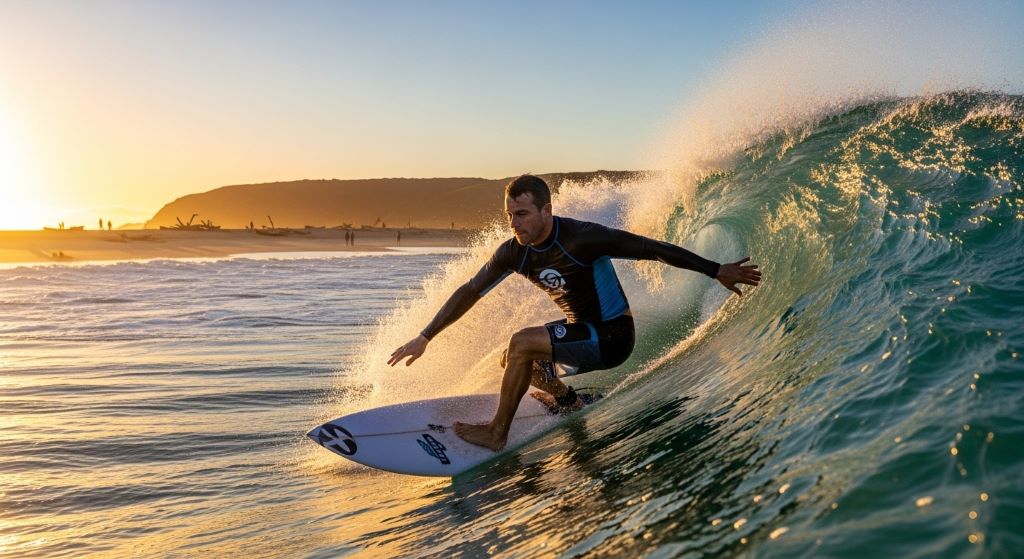
Surfing is one of the most exciting water sports in the world. However, it can also be an expensive hobby to get into. Between boards, wetsuits, leashes, and wax, the costs add up quickly. One item you should never skip is a rash guard. It protects your skin from the sun, saltwater, and the friction of your board. The good news is that finding quality men surf wear does not have to drain your bank account.
This guide will help you understand what makes a great rash guard, what to look for when shopping on a budget, and how to make a smart purchase that holds up through many surf sessions.
Why a Rash Guard Matters More Than You Think
A rash guard is not just a fashion choice. It serves several practical purposes that directly affect your comfort and safety in the water.
First, it protects your skin from UV radiation. Spending hours in the ocean under direct sunlight increases your risk of sunburn significantly. A rash guard with a UPF rating blocks harmful rays without the mess of applying and reapplying sunscreen.
Second, it reduces skin abrasion. When you paddle on a board repeatedly, the surface rubs against your chest and stomach. Over time, this causes painful raw skin. A well-fitted rash guard acts as a barrier between your skin and the board.
Third, it provides a light layer of warmth in cooler water. It is not a wetsuit, but it does help keep your core temperature more stable in mild conditions. Therefore, it extends your time in the water comfortably.
Understanding Rash Guard Fabrics and What They Mean for Your Budget
The fabric is one of the most important factors in a rash guard. It affects durability, comfort, stretch, and ultimately the price you pay.
Lycra and spandex blends are the most common materials. They stretch well, dry quickly, and feel smooth against the skin. Polyester blends are slightly less stretchy but more resistant to wear and UV damage over time. Nylon blends tend to feel softer but can be less durable with heavy use.
For budget shoppers, polyester-spandex blends offer the best balance. They are affordable, resilient, and hold their shape after many washes. Additionally, they do not fade as quickly as pure nylon options, which means you get more life from each piece.
Short Sleeve vs Long Sleeve: Which One Is Right for You
The sleeve length you choose affects both your sun protection and your price point.
Short sleeve rash guards are lighter and allow more freedom of movement for paddling. They cost less in most cases and are great for warmer, tropical surf spots. However, they leave your forearms exposed to the sun.
Long sleeve rash guards offer full-arm coverage, which makes them better for longer sessions, overcast days, or locations with intense UV exposure. They tend to cost slightly more due to the extra material. However, the added protection often justifies the small price difference.
For surfers on a budget, starting with a long sleeve option is often the smarter investment. You get more coverage and protection for just a few dollars more.
Key Features to Look For Without Overpaying
Not every expensive feature is worth the extra cost. However, a few specific qualities make a genuine difference in performance and longevity.
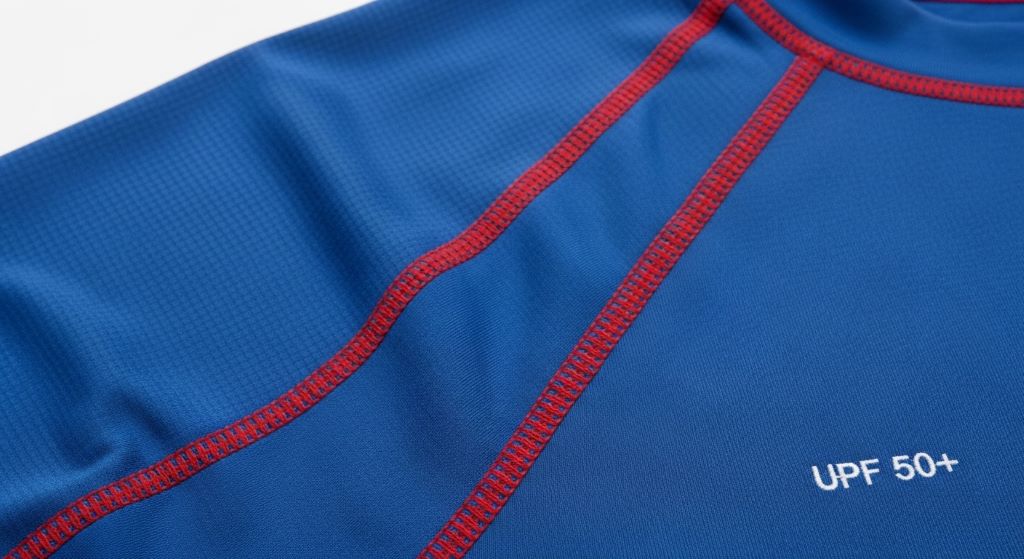
UPF rating is one of them. Look for a rash guard rated at UPF 50 or higher. This rating means the fabric blocks at least 98 percent of UV rays. Most quality options in any price range include this today, so do not pay a premium just for this feature.
Flatlock stitching is another feature worth seeking out. This type of stitching lays flat against the skin instead of creating raised seams. Raised seams cause chafing under a wetsuit or during long paddle sessions. Flatlock stitching is commonly found even on mid-range products.
A stretchy fit is essential. A rash guard that pulls tight or restricts your shoulder movement will frustrate you in the water. Try it on before you buy if possible, or check the size guide carefully when ordering online.
Where to Shop for Affordable Surf Clothing
Knowing where to look is half the battle when you are shopping on a budget. Several types of retailers consistently offer good value.
Dedicated surf brands like Quiksilver, Billabong, and O’Neill regularly run sales on their entry-level lines. End-of-season clearances can bring prices down by 30 to 50 percent. Signing up for their email lists is a simple way to catch these deals early.
Sporting goods chains such as REI, Decathlon, and Academy Sports carry affordable surf clothing that performs well without the premium brand price tag. Decathlon in particular is known for producing reliable, budget-friendly gear across all water sports.
Online marketplaces like Amazon also carry a wide range of options at competitive prices. When buying online, always check the verified reviews and look for listings that include clear details about fabric composition, UPF rating, and stitching type. Avoid listings with vague descriptions or no size charts.
How to Spot Durable Rash Guards at Lower Price Points
Price does not always equal quality. Some budget options outperform more expensive ones simply because they use the right materials and construction methods. Here is what to examine when evaluating durable rash guards:
- Check the stitching at the seams. Double stitching or flatlock stitching holds up much better than single-thread seams.
- Look at the fabric weight. Heavier fabric generally lasts longer than ultra-thin material.
- Examine the color stitching on graphics or logos. Heat-pressed logos peel and crack over time. Stitched or dye-printed designs last much longer.
- Read return policies and warranty information. Brands that stand behind their product quality usually offer at least a basic satisfaction guarantee.
- Avoid anything that feels stiff or scratchy before it has even been washed. It will only get more uncomfortable with use.
Fit and Sizing Tips for Getting It Right the First Time
A rash guard that fits poorly is a rash guard you will stop wearing. Getting the right size matters for both performance and comfort.
Rash guards should fit snugly but not restrict your breathing or arm movement. They are meant to stay close to the skin to prevent bunching under a wetsuit and to reduce drag in the water. However, they should never feel tight enough to limit paddling range.
When checking sizing charts, pay attention to both chest and torso length measurements. Taller surfers often need a size up to prevent the guard from pulling out of their board shorts during active paddling. Additionally, if you plan to wear your rash guard under a wetsuit, choose your normal athletic fit size rather than going up.
Taking Care of Your Rash Guard to Make It Last
Even the most durable rash guards wear out faster if they are not cared for properly. A few simple habits will extend the life of your purchase significantly.
Rinse your rash guard in fresh water after every session. Salt and chlorine break down elastic fibers over time. Leaving either on the fabric speeds up deterioration noticeably. A quick rinse under a tap or shower takes less than a minute and makes a meaningful difference.
Wash it with cold water and mild detergent. Hot water weakens spandex and can cause colors to fade faster. Air dry it in the shade rather than putting it in a dryer. Direct heat also degrades elastic fibers quickly.
Store it flat or loosely folded when dry. Hanging it for long periods can stretch out the shoulder area over time.
Getting the Most Value From Your Purchase
Shopping smart means thinking beyond just the sticker price. A rash guard that costs twice as much but lasts three times longer is the better budget choice in the long run.
Consider buying two at the same time if you find a reliable brand at a fair price. Having a backup means you are never stuck waiting for one to dry before your next session. Additionally, buying during sales events like end-of-season clearances or holiday promotions can let you purchase two quality pieces for the price of one regular-season item.
Affordable surf clothing does not have to mean low quality. It just means being thoughtful about where you shop, what you look for, and how you take care of what you buy.
Conclusion
Finding the best rash guard for men on a budget is very achievable with the right knowledge. Start by understanding the fabrics that offer the best durability for the price. Choose the sleeve length that matches your typical surf conditions. Look for flatlock stitching, a UPF 50 rating, and a snug but flexible fit. Shop at reputable retailers, watch for seasonal sales, and take care of your gear after every session.
Quality men surf wear does not have to be expensive to perform well. With a little research and smart shopping habits, you can find durable rash guards that protect you in the water and last through many seasons of surfing. The ocean is waiting — there is no reason to let your budget hold you back from enjoying it fully.
Frequently Asked Questions
How much should I expect to spend on a good budget rash guard?
A reliable rash guard for men typically costs between fifteen and forty dollars. Options in this range from established surf brands or sporting goods retailers offer solid performance without unnecessary extras.
Can I wear a rash guard under a wetsuit?
Yes. Rash guards are commonly worn under wetsuits to reduce friction and make suiting up and removing the wetsuit easier. Choose your usual athletic fit size for the best result under a wetsuit.
How often should I replace my rash guard?
With proper care, a quality rash guard should last one to two years of regular use. Signs it needs replacing include thinning fabric, stretched-out seams, or a significant drop in UPF protection indicated by the fabric becoming sheer.
Does a darker-colored rash guard provide better UV protection?
Not necessarily. UPF protection comes from the fabric construction and any UV-blocking treatments, not the color alone. Always check the stated UPF rating rather than choosing by color for sun protection purposes.
Are budget rash guards safe for sensitive skin?
Most polyester-spandex rash guards are safe for sensitive skin, especially those with flatlock stitching that prevents seam irritation. If you have known fabric sensitivities, look for options labeled as hypoallergenic or test the material against your skin before a full session.
Related Topics:
How to Build the Perfect Cold Water Surfing Gear Setup
Performance Breakdown: LOSENKA Maple Double Tail Deck Review