
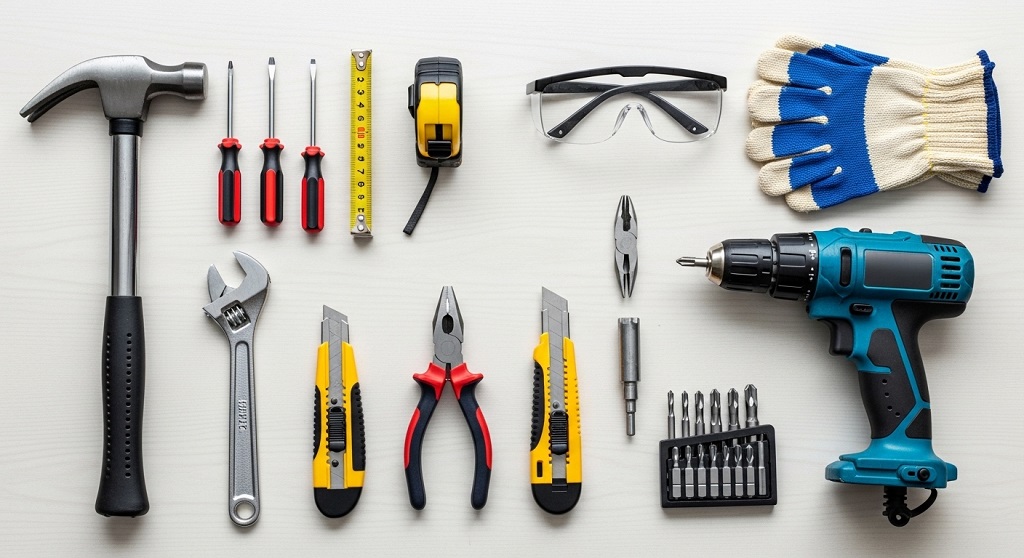
A practical home repair tools list for beginners is a small, essential collection of basic tools that help handle everyday household repairs safely and efficiently without professional assistance. These tools typically include a hammer, screwdriver set, measuring tape, pliers, utility knife, adjustable wrench, and cordless drill.
Many homeowners delay small fixes because they do not know what tools to buy first. A loose cabinet hinge, leaking faucet, or crooked picture frame can stay unresolved for months. Over time, small issues become costly problems.
According to a Harvard Joint Center for Housing Studies report, U.S. homeowners spend over $3,000 annually on maintenance and minor repairs. A large portion of these expenses comes from tasks that require only basic tools.
This guide explains exactly which tools beginners need, why each tool matters, and how to build a smart starter toolkit without overspending.
Why Should Beginners Create a Home Repair Tools List Before Buying Anything?
Short answer: Creating a home repair tools list prevents overspending and ensures you buy only essential tools first.
Many beginners make the same mistake. They buy large toolkits filled with items they rarely use. This wastes money and creates confusion.
A planned home repair tools list helps you:
- Prioritize frequently used tools
- Avoid duplicate purchases
- Stay within budget
- Improve repair confidence
- Handle emergencies quickly
A 2023 HomeAdvisor homeowner behavior study found that households with basic repair tools saved up to 27% annually on maintenance service calls.
Instead of buying everything at once, focus on tools that solve common problems first.
What Are the Absolute Essential Tools Every Beginner Should Own?
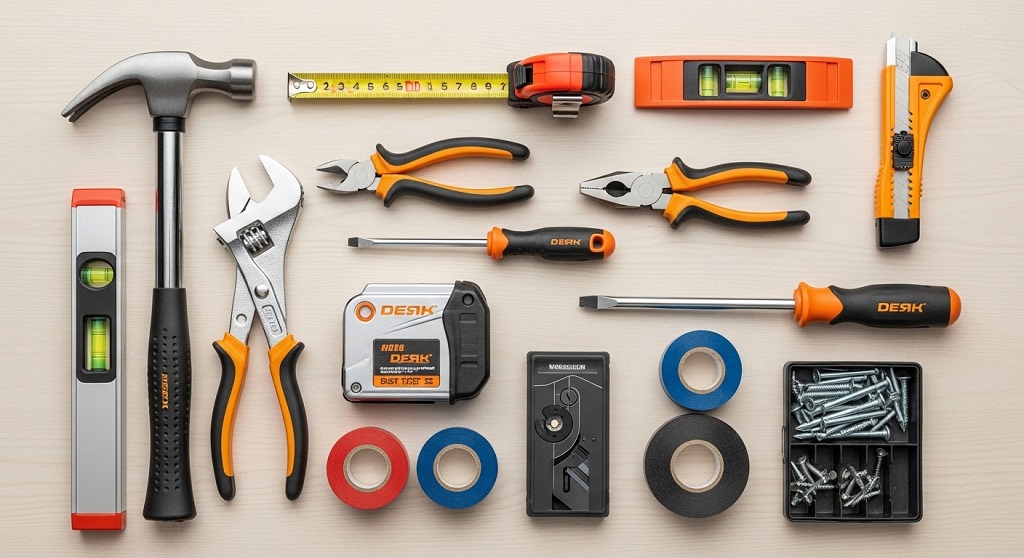
Short answer: Start with 10 core tools that handle 80% of household repair tasks.
1. Claw Hammer
A claw hammer helps with hanging frames, assembling furniture, and removing nails. Choose a 16-ounce hammer for balanced control.
2. Screwdriver Set
You need both flathead and Phillips screwdrivers. Most appliances, cabinets, and switches use these screws.
3. Measuring Tape
A 5-meter measuring tape supports furniture placement, drilling accuracy, and wall mounting.
4. Adjustable Wrench
This tool tightens plumbing fittings and bolts of different sizes.
5. Slip-Joint Pliers
Pliers help grip pipes, pull nails, and bend wires.
6. Utility Knife
Useful for opening boxes, trimming materials, and cutting packaging safely.
7. Cordless Drill
A cordless drill reduces repair time significantly. It handles drilling and screw driving tasks.
8. Level Tool
A level ensures shelves, mirrors, and frames stay straight.
9. Flashlight or Work Light
Important during power outages or under-sink repairs.
10. Safety Gloves
Protect hands from sharp edges and slipping tools.
Which Budget-Friendly Tools Should Beginners Buy First?
Short answer: Start with multi-purpose tools instead of specialized equipment.
If your budget is limited, prioritize tools that perform multiple tasks.
| Tool | Purpose | Why It Matters |
|---|---|---|
| Adjustable wrench | Tightening bolts | Replaces multiple fixed wrenches |
| Multi-bit screwdriver | Fits various screws | Saves space and money |
| Cordless drill | Drilling + fastening | Speeds up repairs |
| Utility knife | Cutting materials | Handles many daily tasks |
This approach keeps your starter toolkit compact and efficient.
How Does a Beginner Tool Kit Reduce Home Maintenance Costs?
Short answer: Basic tools eliminate service-call charges for small repairs.
Most home service visits cost between $40 and $120 depending on location and complexity. Simple tasks like tightening hinges or sealing gaps often take less than 10 minutes.
A beginner toolkit helps you handle:
- Loose screws
- Leaking taps
- Wall mounting
- Furniture assembly
- Curtain installation
- Door alignment
Case example:
A homeowner reported in a HomeAdvisor cost comparison case study that installing shelves independently saved $85 per installation. Over five installations yearly, total savings reached $425.
This shows how small investments in tools create long-term value.
What Power Tools Should Beginners Add After the Basics?
Short answer: Add only two starter power tools: cordless drill and stud finder.
Once you complete your manual toolkit, consider upgrading gradually.
Cordless Drill
The most useful beginner power tool. Supports drilling holes and driving screws quickly.
Stud Finder
Helps detect safe wall mounting points for shelves and TVs.
According to Popular Mechanics testing data, cordless drills reduce installation time by nearly 60% compared to manual screwdrivers.
How Should Beginners Store and Organize Their Tools Efficiently?
Short answer: Use a labeled toolbox with compartments for easy access.
Disorganized tools slow repairs and increase frustration.
Follow this simple system:
- Keep frequently used tools on top
- Store sharp tools separately
- Label compartments
- Use wall hooks for visibility
- Clean tools after use
A structured storage setup improves efficiency and extends tool lifespan.
Which Safety Tools Should Be Included in a Beginner Toolkit?
Short answer: Safety glasses, gloves, and voltage testers prevent common injuries.
Many beginners ignore safety equipment. This creates avoidable risks.
Essential safety items include:
- Protective gloves
- Safety glasses
- Dust mask
- Voltage tester
The U.S. Consumer Product Safety Commission reports over 400,000 DIY-related injuries annually. Proper safety tools reduce this risk significantly.
How Can Beginners Choose Quality Tools Without Overspending?
Short answer: Choose mid-range tools from trusted brands instead of the cheapest options.
Cheap tools break faster and reduce repair accuracy.
Look for:
- Comfortable grip handles
- Rust-resistant materials
- Warranty coverage
- Positive user reviews
Buying durable tools once costs less than replacing poor-quality tools repeatedly.
What Common Household Repairs Can Be Done Using a Basic Tool Kit?
Short answer: A beginner toolkit handles most small indoor maintenance tasks.
You can fix:
- Loose cabinet hinges
- Door handle adjustments
- Wall-mounted shelves
- Picture hanging
- Minor plumbing tightening
- Furniture assembly
- Window latch replacement
These repairs improve home safety and functionality without professional help.
How Often Should Beginners Upgrade Their Tool Collection?
Short answer: Upgrade tools gradually based on repair needs, not trends.
Add tools only when required.
Suggested upgrade timeline:
- Month 1: Buy essential manual tools
- Month 3: Add cordless drill
- Month 6: Add stud finder
- Month 12: Add socket set
This prevents unnecessary purchases.
Conclusion: How Can a Beginner Start Building a Home Repair Toolkit Today?
Small home problems rarely stay small. A loose hinge becomes cabinet damage. A minor leak becomes water waste. A missing screw becomes unstable furniture.
The solution is simple. Build a practical home repair tools list and start with essential items first.
You do not need expensive equipment. You need the right equipment.
Start with a hammer, screwdriver set, pliers, measuring tape, adjustable wrench, and cordless drill. These tools handle most household repairs.
As your confidence grows, expand your toolkit step by step.
Take action today: create your personal home repair tools list and complete your first repair this week. Every small fix builds long-term independence and saves future maintenance costs.
Frequently Asked Questions About a Home Repair Tools List
What is the minimum number of tools needed for home repairs?
Most beginners need at least 7 essential tools: hammer, screwdriver set, measuring tape, pliers, adjustable wrench, utility knife, and cordless drill. These cover basic repairs efficiently.
Is buying a ready-made toolkit better than building one manually?
Ready-made toolkits are convenient but often include unnecessary tools. Building your own toolkit ensures you purchase only useful items.
How much should a beginner spend on a home repair toolkit?
A practical beginner toolkit typically costs between $60 and $150 depending on brand selection and whether a cordless drill is included.
Which tool is the most important for beginners?
The screwdriver set is the most frequently used tool because screws are common in furniture, appliances, and fixtures.
Are power tools necessary for beginners?
No. Beginners can complete most repairs using manual tools. A cordless drill becomes useful later for faster installation tasks.
How long do basic home repair tools last?
Quality tools can last 5 to 15 years with proper storage and maintenance.
Where should beginners store their home repair tools?
A compartment toolbox stored in a dry location is ideal. Wall-mounted organizers also improve accessibility.
Read More How to Find Best Rash Guard for Men Surfing on a Budget
Learn More: Best Power Tools Every Beginner DIYer Should Own