
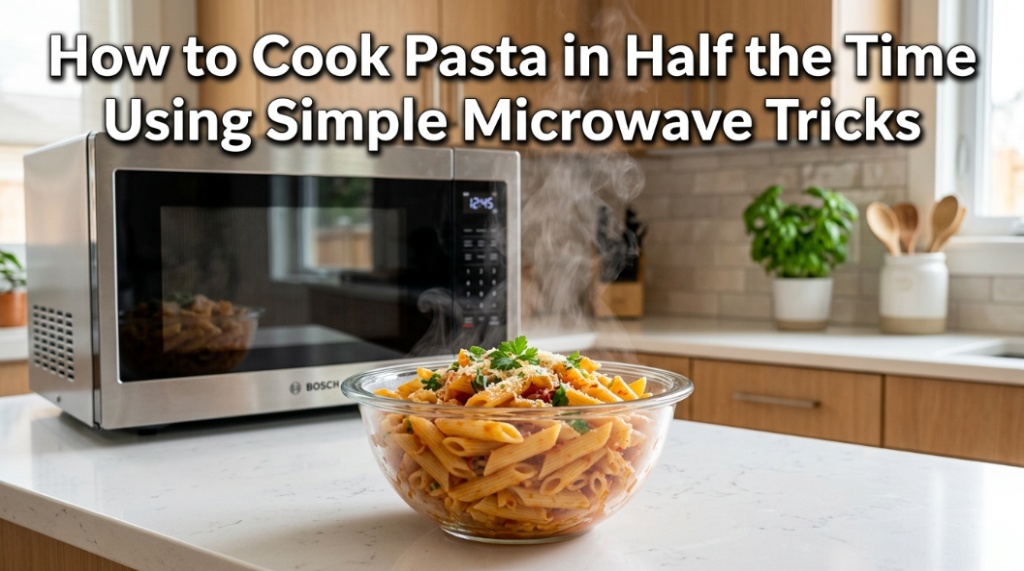
Most people think faster pasta means sacrificing texture, but one overlooked kitchen truth changes everything: pasta absorbs hot water long before it reaches a rolling boil. That simple principle powers the best microwave pasta hacks, allowing you to cut cooking time nearly in half while still getting tender, flavorful results. If you’ve ever stood over a stove waiting for water to boil, watched a pot boil over, or needed a quick meal during a busy workday, you’re not alone. Traditional pasta cooking often wastes time, energy, and attention. Fortunately, modern microwave techniques offer a practical solution. By using the right water ratio, container, and timing strategy, you can cook pasta faster, reduce cleanup, and maintain excellent texture. Whether you’re preparing lunch in a dorm room, making a quick family dinner, or looking for smarter cooking shortcuts, this guide explains exactly how to cook pasta in half the time using proven microwave methods.
What Are Microwave Pasta Hacks and Why Do They Work?
Direct answer: Microwave pasta hacks are techniques that use microwave heat, optimized water ratios, and proper timing to cook pasta significantly faster than traditional stovetop methods.
Unlike conventional boiling, microwaves heat water molecules directly. This means energy transfers rapidly throughout the cooking vessel instead of relying solely on heat rising from a burner. When applied correctly, microwave cooking can reduce preparation time while producing pasta with nearly identical texture.
Several factors contribute to faster cooking:
- No waiting for a large pot of water to reach boiling point
- Smaller water volume heats more quickly
- Even heat distribution inside microwave-safe containers
- Reduced heat loss compared with stovetop cooking
- Minimal monitoring requirements
For people who regularly prepare homemade pasta, understanding proper drying and storage techniques can further improve cooking consistency. This guide on drying fresh pasta efficiently before cooking explains how preparation affects final texture.
According to energy-efficiency studies comparing cooking appliances, microwaves typically use less energy than electric stovetops for small food preparation tasks because they heat food directly rather than heating surrounding air.
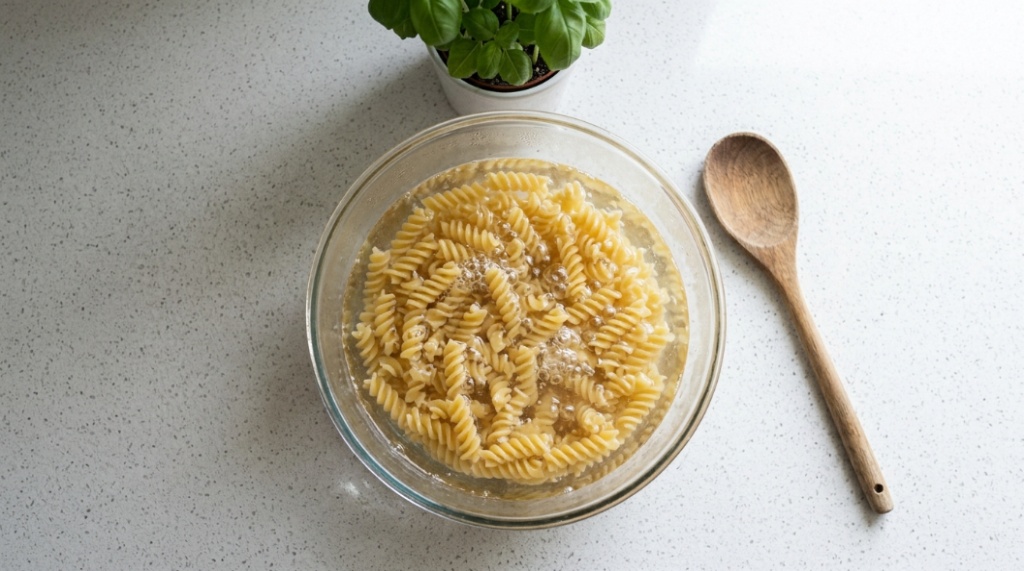
How Can You Cook Pasta in Half the Time Using a Microwave?
Direct answer: Use a microwave-safe container, cover pasta with hot water, microwave in intervals, and allow residual heat to finish cooking.
The fastest method combines preheated water with controlled microwave intervals.
Step 1: Choose the Right Container
Select a deep microwave-safe bowl or dedicated pasta cooker. The container should allow room for expansion and prevent boiling over.
Step 2: Add Pasta and Water
Place pasta in the container and cover it with water approximately 1 inch above the pasta surface.
Step 3: Start with Hot Water
Using hot tap water or preheated water significantly reduces cooking time because the microwave spends less energy bringing water to a boil.
Step 4: Microwave in Intervals
Cook on high power for 4–5 minutes, stir, then continue in 2-minute increments until desired tenderness is reached.
Step 5: Rest Before Draining
Allow pasta to sit for 2–3 minutes. Residual heat completes cooking while improving texture.
This method often cuts total preparation time by 30–50% compared with traditional boiling.
Which Types of Pasta Work Best in the Microwave?
Direct answer: Short pasta shapes generally cook most evenly in microwaves, while long noodles may require additional stirring.
Different pasta varieties respond differently to microwave heating.
| Pasta Type | Microwave Performance | Difficulty Level |
|---|---|---|
| Macaroni | Excellent | Easy |
| Penne | Excellent | Easy |
| Rotini | Excellent | Easy |
| Farfalle | Very Good | Easy |
| Shells | Very Good | Easy |
| Spaghetti | Good | Moderate |
| Linguine | Good | Moderate |
| Fresh Pasta | Excellent | Easy |
Short shapes allow water circulation and uniform heating. Long noodles should be broken in half or stirred frequently during cooking.
What Is the Best Water-to-Pasta Ratio for Faster Cooking?
Direct answer: Use enough water to cover the pasta by about 1 inch while avoiding excessive water that increases heating time.
Many people use far more water than necessary. Excess water extends cooking time because every additional cup must be heated.
Recommended ratios:
- 1 cup of pasta = 2–2.5 cups of water
- 2 cups of pasta = 4–5 cups of water
- 3 cups of pasta = 6–7 cups of water
Reducing unnecessary water volume accelerates heating while maintaining proper hydration.
People interested in making fresh pasta at home can benefit from understanding extrusion-based machines. This detailed KitchenAid pasta press review and usage guide explains how homemade pasta preparation influences cooking performance.
Should You Cover Pasta While Microwaving?
Direct answer: Yes, loosely covering pasta helps retain heat, speeds cooking, and reduces splatter.
A loose cover traps steam while allowing pressure to escape safely.
Good covering options include:
- Microwave-safe lids
- Vented microwave covers
- Microwave-safe plates
- Silicone food covers
Avoid airtight sealing because pressure buildup can become dangerous.
Steam retention provides three major benefits:
- Faster cooking
- More consistent hydration
- Cleaner microwave interior
Can Salt and Oil Improve Microwave Pasta Results?
Direct answer: Salt improves flavor, but oil is usually unnecessary and may reduce sauce adhesion.
Adding salt before cooking allows seasoning to penetrate throughout the pasta.
Recommended amount:
- ¼–½ teaspoon salt per serving
Contrary to popular belief, adding oil to cooking water generally does not prevent sticking effectively. Regular stirring provides better results.
Instead of oil, focus on:
- Adequate water coverage
- Periodic stirring
- Proper container size
- Correct cooking intervals
What Are the Most Effective Microwave Pasta Hacks for Busy Weeknights?
Direct answer: Preheating water, cooking sauce simultaneously, and using dedicated microwave pasta cookers dramatically reduce preparation time.
Busy households benefit most from efficiency-focused techniques.
Use Preheated Water
Starting with hot water can shave several minutes from total cooking time.
Cook Sauce While Pasta Cooks
Prepare marinara, Alfredo, pesto, or garlic butter sauce simultaneously for faster meal completion.
Use Dedicated Pasta Cookers
Purpose-built microwave pasta cookers improve water circulation and reduce overflow risk.
Batch-Cook Portions
Prepare multiple servings and refrigerate leftovers for future meals.
Measure Portions in Advance
Pre-portioned containers simplify meal preparation during busy schedules.
How Does Microwave Pasta Compare With Traditional Stovetop Cooking?
Direct answer: Microwave cooking is generally faster and more energy-efficient, while stovetop cooking provides greater capacity for large batches.
| Factor | Microwave | Stovetop |
|---|---|---|
| Cooking Speed | Faster | Slower |
| Energy Usage | Lower | Higher |
| Cleanup | Minimal | Moderate |
| Large Batches | Limited | Excellent |
| Monitoring | Low | Higher |
| Dorm-Friendly | Excellent | Limited |
For single servings, quick lunches, and small family meals, microwave methods often deliver the best balance of convenience and quality.
Do Microwave Pasta Cookers Really Make a Difference?
Direct answer: Yes, specialized microwave pasta cookers improve consistency, reduce spills, and simplify cooking.
These containers are designed specifically for pasta preparation.
Benefits include:
- Integrated draining systems
- Improved steam management
- Reduced overflow incidents
- Simplified cleanup
- More consistent cooking results
Modern pasta-making technology has also advanced significantly. Anyone exploring automated pasta preparation can learn more through this comprehensive Philips pasta maker review, covering features and performance.
What Common Mistakes Make Microwave Pasta Take Longer?
Direct answer: Using too much water, skipping stirring, overcrowding containers, and choosing the wrong vessel increase cooking time and reduce quality.
Common errors include:
- Overfilling containers
- Using insufficient water
- Ignoring stir intervals
- Cooking large portions simultaneously
- Failing to allow resting time
- Using containers that are too shallow
Correcting these mistakes often improves texture immediately.
Can You Cook Complete Pasta Meals in the Microwave?
Direct answer: Yes, pasta, vegetables, proteins, and sauces can be cooked together in carefully timed microwave meals.
Popular one-container combinations include:
- Penne with marinara and spinach
- Macaroni with cheese sauce
- Rotini with chicken and vegetables
- Whole wheat pasta with pesto
- Mediterranean pasta with olives and tomatoes
This approach reduces dishwashing while simplifying meal preparation.
Many meal-prep enthusiasts now use microwave pasta techniques because they combine speed, convenience, and reliable results in a single process.
Conclusion: Is Microwave Pasta the Smartest Cooking Shortcut for Busy Cooks?
Direct answer: For most everyday meals, yes. Microwave pasta methods can cut cooking time nearly in half while maintaining texture, flavor, and convenience.
The best microwave pasta hacks focus on simple principles: use less water, start with hot water, stir periodically, cover loosely, and allow residual heat to finish cooking. These small adjustments eliminate unnecessary waiting and make weeknight meals dramatically easier. Whether you’re cooking for yourself, feeding a family, or preparing quick lunches, microwave pasta offers one of the most effective cooking shortcuts available. If you’re ready to upgrade your pasta workflow even further, exploring modern equipment and preparation techniques can streamline every step from mixing ingredients to serving dinner. Start experimenting with these methods today and discover how much time a smarter pasta routine can save every week.
FAQ: Microwave Pasta Hacks and Cooking Shortcuts
Can pasta really cook properly in a microwave?
Yes. When submerged in sufficient water and cooked in timed intervals, pasta reaches the same hydration and tenderness achieved through traditional boiling.
How long does pasta take in the microwave?
Most pasta varieties require 8–12 minutes, depending on shape, microwave wattage, and desired texture.
Should I stir the pasta while microwaving?
Yes. Stirring every few minutes prevents sticking, distributes heat evenly, and improves consistency.
Can I microwave fresh pasta?
Absolutely. Fresh pasta often cooks faster than dried pasta and responds particularly well to microwave methods.
What microwave power setting works best?
High power works best for most pasta recipes. Lower settings may require significantly longer cooking times.
Why is my microwave pasta chewy?
Chewy pasta typically indicates undercooking or insufficient water absorption. Extend cooking slightly and allow additional resting time.
Can I add sauce during cooking?
Yes, but many cooks achieve better texture by cooking pasta first and incorporating the sauce near the end of the process.