
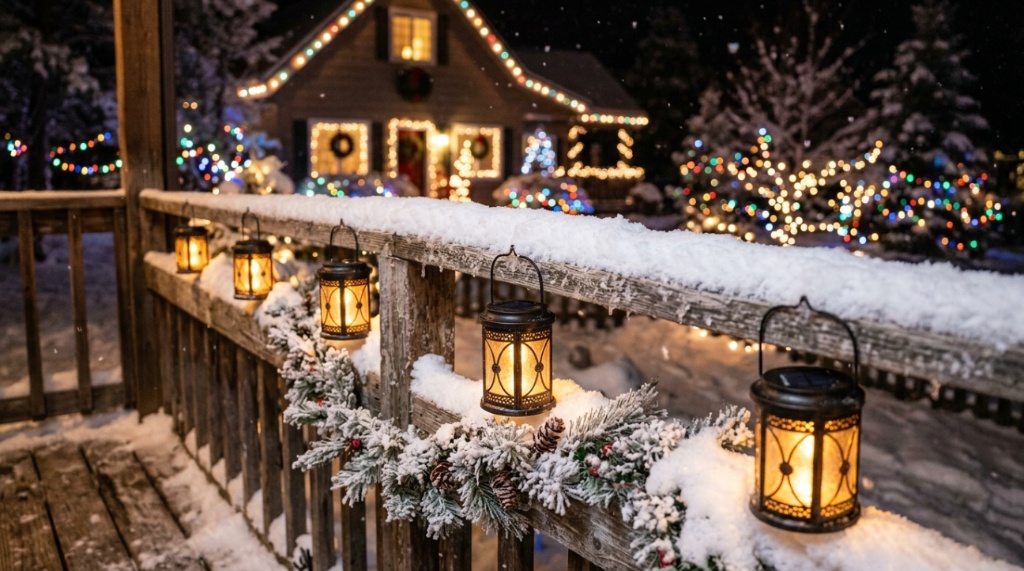
Finding the perfect outdoor holiday lighting in California comes with a unique set of challenges. Between the high cost of electricity, wildfire safety concerns, and the sheer amount of sunshine the state receives, traditional plug-in lights often feel like the wrong choice. You want the warm, festive glow of Christmas lanterns without the tangled cords or the spike in your utility bill. That is precisely where solar-powered options shine. But with so many models available, how do you separate durable, genuinely bright lanterns from cheap, disappointing ones? This guide breaks down everything you need to know to select the best solar Christmas lanterns CA homeowners actually rely on, focusing on battery life, build quality, and the specific climate considerations of the Golden State.
Key Takeaways
- Battery Capacity Matters Most: Look for lanterns with at least a 2000mAh battery to ensure they last through California’s long winter nights.
- Weather Resistance is Non-Negotiable: California’s climate ranges from coastal fog to desert heat, so an IP65 rating or higher is essential for year-round durability.
- Warm White vs. Multi-Color: Decide on ambiance first; warm white offers a classic look, while multi-color options are better for festive, family-oriented displays.
- Material Quality Defines Longevity: Powder-coated aluminum or heavy-duty ABS plastic will withstand UV rays much better than cheap, thin plastics.
Why Solar Lanterns Are a Smart Choice for California Homes
California’s energy landscape makes solar lighting particularly practical. With some of the highest residential electricity rates in the nation, running a string of 500 incandescent bulbs for a month can add a noticeable amount to your bill. Solar lanterns operate entirely on free energy from the sun, which the state has in abundance—averaging 284 sunny days per year in many regions. Furthermore, they enhance safety by eliminating the need for extension cords that can become tripping hazards or overheat. Unlike hardwired options, solar lanterns are portable and can be placed anywhere from a garden path to a balcony railing without needing to be near an outlet. This flexibility allows for more creative decorating, especially in rentals or apartments where permanent installations are not permitted.
Understanding the “California” Factor
When shopping specifically in California, you need to consider the microclimates. Coastal areas experience salty, humid air that can corrode metal components, while inland valleys and desert areas suffer from intense UV rays that can fade and crack cheap plastics. A lantern built for a mild, humid climate will not last long in a dry, high-heat zone. Therefore, you must prioritize models with UV-stabilized housing and rust-proof fixtures. When you search for the best solar Christmas lanterns CA shoppers often forget to check whether the metal brackets are truly rust-resistant, which is a critical step for coastal homes.
Critical Features to Evaluate Before You Buy
Not all solar lanterns are created equal. The cheap options sold at big-box retailers often fail within one season due to poor battery chemistry or inadequate solar panels. To find a lantern that will last through multiple holiday seasons, you need to look under the hood—or in this case, under the cap. The most important factors are the solar panel efficiency, the battery type, and the LED brightness. Let’s break these down so you know exactly what specifications to look for.
Solar Panel Efficiency and Placement
The solar panel is the heart of the lantern. Most lanterns use monocrystalline or polycrystalline silicon panels. Monocrystalline is more efficient, meaning it can charge the battery faster even in partially shaded areas—a common issue if you plan to hang lanterns under eaves or in trees. You also need to consider the orientation. A flat-top panel is great for tabletops, but a detached panel is better for hanging lanterns because you can place the panel in direct sunlight while the lantern hangs in the shade. If you hang a lantern with an integrated top panel in a shaded spot, it will only run for a few minutes.
Battery Type and Capacity
The battery determines how long your lanterns will glow after the sun goes down. Older models used Ni-Cd batteries with a memory effect that degraded quickly. Modern high-quality lanterns use Lithium-ion (Li-ion) or Lithium Iron Phosphate (LiFePO4) batteries. LiFePO4 is superior for long-term use because it handles extreme temperatures better and lasts for thousands of charge cycles. Capacity is measured in milliamp-hours (mAh). For a reliable 6–8 hour run time during the winter, you need a capacity of at least 1800mAh to 2200mAh. Many budget lanterns only include 600–800mAh batteries, resulting in only 2–3 hours of light, For more inspiration on styling your home this season, explore our guide on This year’s biggest Christmas decorating trends.
LED Brightness and Color Temperature
LED brightness is measured in Lumens. For a decorative Christmas lantern, you don’t need a searchlight; you need soft illumination. A range of 10–20 lumens is perfect for creating a cozy glow on a porch or path. If you get anything above 50 lumens, it will look more like a security light than a holiday decoration. Color temperature is measured in Kelvin (K). A warm white light sits between 2200K and 3000K, producing a yellow/orange hue similar to an old incandescent bulb. White or cool light (4000K+) looks sterile and less festive. Many modern units now offer a “flickering flame” mode, which uses a dancing LED pattern to mimic a real candle without the fire risk—a major selling point in wildfire-prone areas.
Material and Build Quality: Ensuring Longevity
The exterior material is your first line of defense against the elements. In California, you are fighting a war on two fronts: sun damage and rain/moisture. The three most common materials are stainless steel, aluminum, and ABS plastic. Stainless steel is the most durable but is also the heaviest and most expensive. Aluminum is lightweight and naturally rust-resistant, making it an excellent choice for coastal areas. ABS plastic is fine if it is high-quality, but you must check if it has a UV-protective coating; otherwise, it will turn yellow and brittle after one summer of intense sun exposure. Always look for an IP (Ingress Protection) rating. IP65 means it is fully protected against dust and low-pressure water jets—this is the minimum you should accept.
The Importance of Warm White vs. Color-Changing
This is often a last-minute decision, but it drastically affects the display. Warm white lanterns project an elegant, classic aesthetic that matches traditional Christmas décor and looks good even when not turned on. They are also generally brighter for the same battery capacity because they don’t have the color filter. Color-changing lanterns (usually red, green, blue, and sometimes amber) are more playful and are typically preferred by families with children. However, they often cost more and the battery drains slightly faster if displaying multiple colors simultaneously. Consider your home’s exterior style; a modern house might look better with white, while a traditional ranch-style home might suit a mix of red and green.
Common Mistakes to Avoid When Buying Solar Lanterns
Even with the right specifications in mind, many buyers make mistakes during the installation and setup process that ruin the product. The most common error is placing the lantern in a location that doesn’t receive direct sunlight during the day. Solar lanterns need 6–8 hours of direct sun to fully charge. “Partial shade” in the morning is not enough; they need unobstructed midday light. Another major mistake is turning the lantern on before the first charge cycle is complete. The batteries ship with roughly a 30% charge; you should let the unit charge for two full sunny days before switching it on to prime the battery. Finally, do not mount the lantern where it will be exposed to sprinkler spray during the day—water spots on the solar panel can significantly reduce charging efficiency, acting like tiny magnifying glasses that heat the panel and cause micro-cracks.
Maintenance Tips for Peak Performance
To keep your lanterns running efficiently, you must clean the solar panel every two weeks during the holiday season. In California, dust and pollen accumulate quickly—especially in the Central Valley. Use a soft, damp cloth to wipe away debris. Avoid using harsh chemicals or glass cleaners, which can leave a film that attracts more dust. Additionally, if you live in an area with frequent fog (like San Francisco), you may need to wipe the panels down every morning to remove the condensation residue that builds up overnight. This simple maintenance extends the life of the battery by ensuring it receives the maximum charge possible.
Comparing Solar Lanterns to Other Outdoor Lighting Options
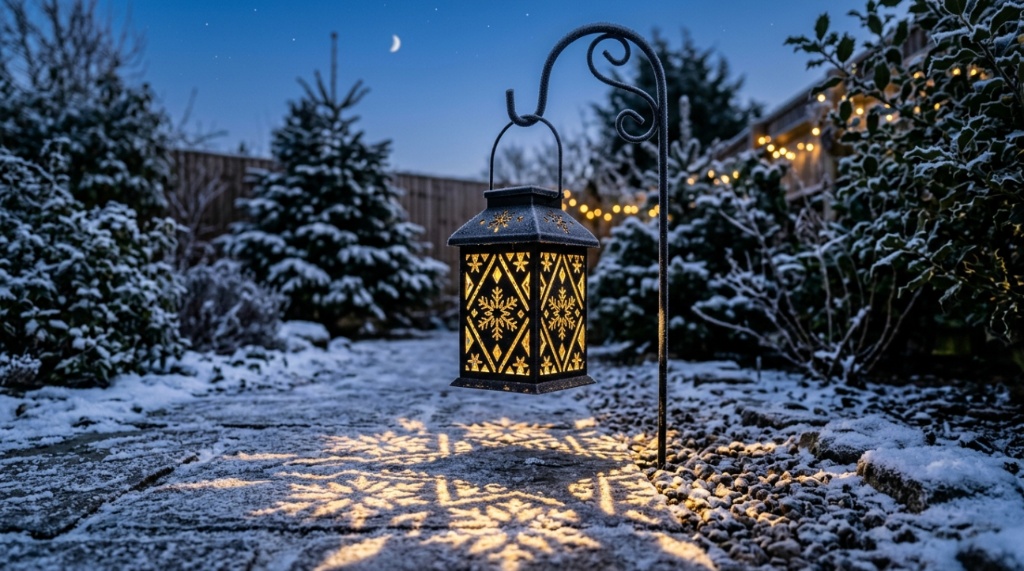
Before committing to solar, it is wise to compare it against wired LED and low-voltage lighting. Wired lights guarantee consistent brightness regardless of weather but require an electrician and increase your operational costs. Low-voltage systems are cheaper to run than 120V AC but still require heavy gauge wire and a transformer. Solar is the only source that is completely wireless, meaning you can move the lanterns without re-running cables. However, solar has a limitation: brightness. Solar lights will dim earlier in the day if the battery is small or the day is overcast. If you need security-level lighting, solar is not suitable. For purely aesthetic holiday decoration that operates from dusk until midnight, solar is the most cost-effective and easiest solution.
A Practical Guide to Setting Up Your Solar Lanterns
Once your lanterns arrive, proper placement is crucial. Here is a quick step-by-step process to maximize their performance from day one.
- Charge Fully: Place the lanterns outside in a sunny spot for 12-15 hours before first use. Do not turn them on during this initial charge.
- Check the Light Sensor: Most lanterns have a light sensor that automatically turns the light on at dusk. Ensure this sensor is not blocked by the handle or a decorative element from the lantern itself.
- Position for Sun: Hang or place the lanterns facing south to capture the most sunlight during the day. Avoid north-facing walls.
- Space Them Out: If you have multiple lanterns, do not cluster them together in a way that one casts a shadow on another’s panel. Space them at least 3 feet apart on a flat surface.
- Test the Switch: There is usually an “ON” and “OFF” switch. Leave it in the “ON” position so the sensor can do its job, but if you want to store them for a season, switch them off to preserve the battery.
What About the Weather?
California winter storms can bring heavy rain, even if they are rare. While your lanterns are IP65 rated, it is still wise to bring them inside or tilt them over if a massive atmospheric river storm is predicted. The rapid temperature changes combined with moisture can cause condensation inside the unit if the seals aren’t perfect. If condensation appears, remove the battery casing and dry it out inside the house for a day before reinstalling. This prevents corrosion on the electrical contacts.
Frequently Asked Questions
How long do solar Christmas lanterns actually last?
With proper care, the LED bulbs can last up to 50,000 hours. The limiting factor is the battery, which typically lasts 2–3 years before it needs replacement. The housing should last much longer if it is made of metal or UV-stabilized plastic. After two years, you may notice the light dimming earlier in the evening, indicating it is time to swap out the battery.
Do solar lanterns work on cloudy days?
Yes, but with lower performance. Solar panels still generate power from diffused light on cloudy days, but they will produce significantly less energy than in direct sun. On overcast days, the lanterns may only charge to 50-70% capacity, resulting in fewer hours of light. If your region is prone to extended overcast stretches, choose a lantern with a larger battery capacity (2000mAh+) to buffer against these periods.
Can I leave solar lanterns outside all year round?
Most high-quality lanterns are designed to withstand the elements. However, extreme heat is the biggest killer in California. While the lantern can survive, the battery degrades faster when exposed to high temperatures (above 90°F) for extended periods. If you are not using the lantern during the summer, store the battery inside in a cool place to extend its life.
Are solar Christmas lanterns bright enough for outdoor gatherings?
They are perfect for ambient lighting and creating a festive mood, but they are not suitable for illuminating a dark pathway for safety. For security or lighting up a BBQ area, you would need a larger solar floodlight. For holiday décor aesthetics, the soft glow of 10-20 lumens is ideal and creates a welcoming atmosphere.
How do I choose between hanging lanterns and stake lanterns?
Hanging lanterns are ideal for porches, pergolas, or tree branches and often feature a hook. Stake lanterns are for ground placement in gardens. Be careful with hanging lanterns on windy days—ensure the hook is secure. Stake lanterns are more stable and less likely to blow away, but they take up ground space.
Conclusion
Finding the best solar Christmas lanterns CA for your home boils down to understanding batteries, materials, and placement. Do not get lured into buying the cheapest set on sale, as they often lack the mAh capacity to get through the night and the UV protection to survive a single California summer. Prioritize lanterns with Lithium Ion batteries, IP65 weatherproofing, and a warm glow. Once you receive them, remember to charge them thoroughly before the first use and keep the panels clean. This approach will ensure that your porch or garden looks festive all season long without drawing any power from the grid. Ready to upgrade your display? Start with the right power source and your home will be the brightest (in a good way) on the block.