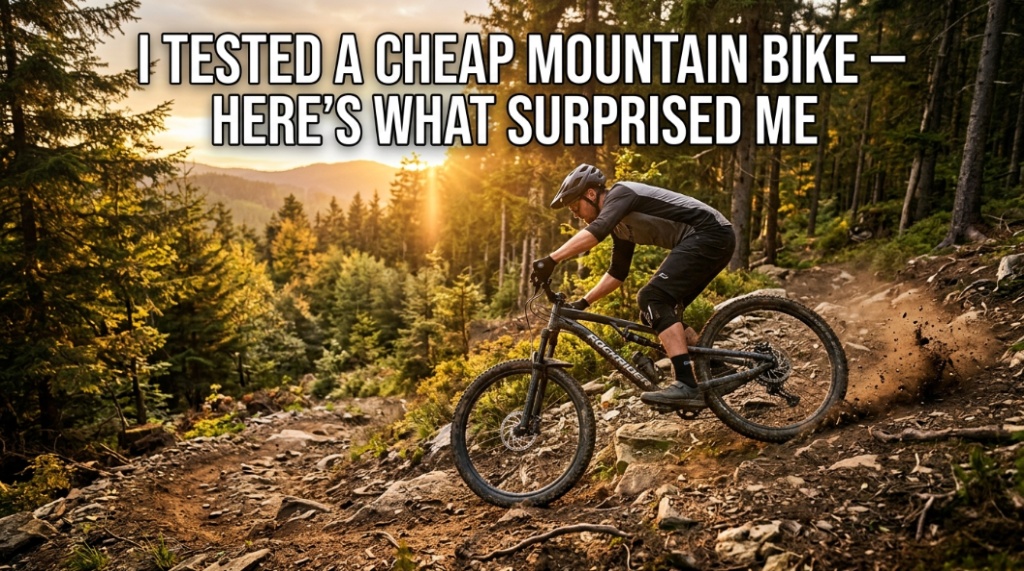
At 6:12 a.m., while stray dogs chased a milk van down a cracked village road, I realized something strange: this low-cost MTB review was going to challenge almost everything people say about cheap mountain bikes. I expected squeaky brakes, unstable handling, and parts ready to fall apart after one ride. Instead, this value bike handled rough gravel, muddy shortcuts, potholes, and uneven trails better than many riders would expect from a budget setup.
A low-cost mountain bike is an entry-level MTB designed for casual trail riding, commuting, fitness, and beginner off-road use without the premium price tag of high-end brands. While cheap mountain bikes often compromise on components, some budget-friendly models still deliver impressive real-world performance when matched to the right rider and terrain.
The problem is simple. Most riders assume “cheap” automatically means “bad.” That fear keeps many beginners from entering mountain biking at all. Bike prices have climbed sharply over the last few years, with premium MTBs from brands like Trek, Giant, and Specialized easily crossing four figures. For new riders, that creates hesitation. Spend too little and risk disappointment. Spend too much and regret the investment.
So I bought a low-cost mountain bike, rode it through real conditions, tested its durability, and paid attention to where it impressed me — and where it clearly cut corners. What surprised me most wasn’t just the performance. It was how close some value bikes are getting to the experience casual riders actually need.
Can a Cheap Mountain Bike Actually Be Good?
Yes. A cheap mountain bike can be surprisingly capable for beginners, commuting, fitness riding, and light trails if expectations match the bike’s intended use.
The internet often treats budget bikes like disposable toys, but reality is more nuanced. Not everyone needs a carbon frame, air suspension fork, or hydraulic braking system. Many riders simply want:
- A reliable bike for local trails
- Comfortable daily commuting
- Weekend adventure riding
- Fitness and outdoor exercise
- A low-risk introduction to mountain biking
That changes the conversation entirely.
Most beginner riders never hit aggressive downhill terrain or technical rock gardens. According to outdoor recreation participation reports, casual cycling and recreational trail riding continue to dominate entry-level bike sales globally. That means the average rider benefits more from comfort, affordability, and reliability than elite-level performance parts.
My test bike cost less than many riders spend on a premium suspension fork alone. Yet during two weeks of riding, it handled:
- Broken pavement
- Loose gravel
- Dirt roads
- Wet grass
- Urban shortcuts
- Small trail descents
Was it perfect? No. But it was far more usable than most people expect from a value bike.
What Did the Cheap MTB Feel Like on Real Trails?
The bike felt stable and confidence-inspiring on beginner terrain, though limitations became obvious during aggressive riding.
The first surprise was frame stability. Cheap bikes often suffer from poor geometry, but this model maintained decent control on uneven terrain. The wider handlebars helped with steering confidence, especially on loose gravel.
Here’s where the bike performed well:
- Flat dirt trails
- Forest paths
- Village roads
- Small climbs
- Urban potholes
- Casual weekend riding
The suspension fork absorbed small bumps reasonably well, although it lacked responsiveness on larger impacts. Entry-level suspension systems typically use coil forks instead of air forks, which explains the extra weight and reduced tuning options.
However, problems appeared during faster descents.
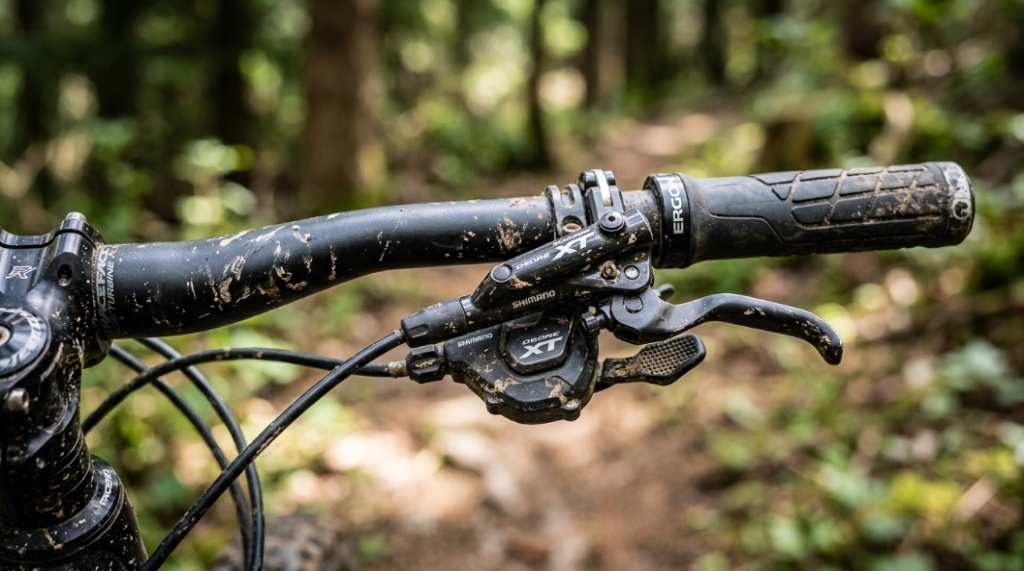
The mechanical disc brakes required stronger hand pressure than hydraulic brakes. The drivetrain occasionally hesitated under heavy pedaling load. Sharp rocky sections exposed the bike’s limitations quickly.
Still, beginner riders likely wouldn’t push the bike that hard.
That’s the key insight many reviews ignore. Performance should always be judged within realistic use cases.
What Surprised Me Most About This Value Bike?
The biggest surprise was how comfortable and practical the bike felt for everyday riding.
Budget bikes are often criticized for component quality, but comfort matters just as much to real-world riders. This bike had:
- A relaxed riding position
- Wide tires for grip
- Stable steering
- A comfortable saddle
- Predictable braking
That combination made it enjoyable for longer rides.
I expected constant mechanical frustration. Instead, the bike remained relatively quiet and dependable after multiple rides. The frame alignment was decent, wheel wobble stayed minimal, and shifting improved after a small cable adjustment.
Another surprise was public perception.
Most people couldn’t tell it was a low-cost MTB unless they closely inspected the components. Modern budget bikes visually resemble mid-range mountain bikes far more than older entry-level models from a decade ago.
The gap between budget and premium aesthetics has narrowed dramatically.
Where Did the Cheap Mountain Bike Struggle?
The bike struggled during technical riding, steep descents, and high-speed cornering where premium components matter most.
This is where honesty matters.
A value bike can absolutely deliver strong casual performance. But there are reasons premium mountain bikes cost more.
Here’s where the cheap MTB showed weaknesses:
| Feature | Budget MTB Performance | Premium MTB Performance |
|---|---|---|
| Suspension | Basic bump absorption | Highly responsive damping |
| Brakes | Mechanical disc brakes | Hydraulic precision braking |
| Weight | Heavier frame | Lighter materials |
| Drivetrain | Slower gear shifting | Fast smooth shifting |
| Trail Aggression | Light trails only | Technical terrain capable |
| Durability Under Stress | Moderate | High |
The bike became noticeably less stable during steep downhill riding. Hard braking generated vibration through the front fork. Aggressive cornering revealed frame flex that more advanced riders would dislike.
That doesn’t make the bike “bad.” It simply defines its intended purpose.
Many beginner riders accidentally buy beyond their needs. They pay for advanced trail capabilities they may never use.
Who Should Buy a Low-Cost Mountain Bike?
A low-cost mountain bike is best for beginners, casual riders, commuters, fitness cyclists, and people testing the sport before upgrading.
This category of bike makes sense for several types of riders:
Are Cheap MTBs Good for Beginners?
Yes. Beginner riders benefit from affordable access to cycling without major financial risk.
New cyclists often quit expensive hobbies quickly. Spending modestly at first is financially smarter for many people.
Can a Value Bike Handle Daily Commuting?
Absolutely. Wide tires, upright posture, and rugged frames make budget MTBs practical for rough city roads.
In areas with poor pavement, mountain bikes can actually outperform road bikes for commuting comfort.
Should Experienced Riders Buy Cheap MTBs?
Usually no. Advanced riders will likely notice the component limitations immediately.
Experienced trail riders often demand:
- Better suspension tuning
- Lower bike weight
- More precise handling
- Superior braking
- Higher durability
That’s where premium bikes justify their cost.
What Features Matter Most in a Budget Mountain Bike?
The most important features are frame quality, brakes, wheel strength, and tire grip — not flashy marketing claims.
Many cheap bikes advertise unnecessary gimmicks while ignoring core ride quality.
Here’s what actually matters:
Is Frame Quality More Important Than Components?
Yes. A solid frame provides the foundation for stability, comfort, and future upgrades.
Even if components wear out, a good frame can last for years.
Should You Prioritize Disc Brakes?
Yes. Mechanical disc brakes are still preferable to cheap rim brakes in most weather conditions.
Disc brakes improve control on wet roads and loose terrain.
Do Tire Width and Grip Matter?
Absolutely. Tires dramatically influence comfort, traction, and rider confidence.
Wider tires helped this value bike feel more stable on gravel and rough surfaces.
Is Suspension Necessary on Cheap MTBs?
Not always. Some budget suspension forks add weight without meaningful performance benefits.
In some cases, a rigid fork can actually improve efficiency and reliability for commuting or light trails.
How Durable Was the Cheap MTB After Weeks of Riding?
The bike held up better than expected, though regular maintenance became important quickly.
Budget bikes often leave factories with imperfect adjustments. That means early maintenance matters more.
After several rides, I needed to:
- Tighten bolts
- Adjust brake cables
- Re-align shifting
- Lubricate the chain
- Check spoke tension
None of these issues were catastrophic. They were manageable beginner maintenance tasks.
This highlights an overlooked truth:
Many negative budget bike experiences happen because riders never perform basic setup or maintenance.
A properly adjusted value bike rides significantly better than a neglected premium bike.
Is a Cheap Mountain Bike Better Than No Bike at All?
For most people, yes. A functional budget MTB provides exercise, transportation, outdoor recreation, and riding experience at low cost.
Cycling participation continues to rise globally because people want:
- Affordable transportation
- Outdoor fitness
- Stress relief
- Weekend recreation
- Lower commuting costs
A low-cost MTB opens that door.
Not everyone needs elite performance equipment. Many riders simply need something dependable enough to get moving consistently.
That alone creates real value.
What Did I Learn From This Low-Cost MTB Review?
I learned that value bikes make far more sense for casual riders than internet debates often suggest.
Online cycling culture sometimes exaggerates the need for premium gear. Yes, better bikes feel better. That’s undeniable.
But practical riding matters more than specification sheets for most people.
This cheap MTB delivered:
- Reliable commuting
- Fun recreational riding
- Good beginner confidence
- Reasonable comfort
- Solid versatility
It also taught me something unexpected: rider expectations shape satisfaction more than price alone.
If someone buys a value bike expecting downhill race performance, disappointment is guaranteed.
But if they want affordable adventure, fitness, and freedom, a cheap mountain bike can absolutely deliver.
Should You Buy a Cheap Mountain Bike in 2026?
Yes — if you choose carefully, ride within the bike’s intended limits, and prioritize realistic expectations over marketing hype.
The best budget mountain bikes today are dramatically better than entry-level models from years ago. Manufacturing improvements, better tire technology, and more accessible disc brake systems have raised the baseline quality significantly.
That doesn’t mean every cheap MTB is worth buying. Some still cut dangerous corners with weak components and poor assembly quality.
But smart buyers who focus on:
- Trusted brands
- Strong frames
- Reliable braking
- Simple drivetrains
- Proper setup
can find genuine value.
The biggest surprise from this entire test wasn’t speed, suspension, or trail capability.
It was realizing how many people could enjoy mountain biking without spending a fortune.
Conclusion: Is a Value Bike Worth It?
Yes. A value bike can absolutely be worth it for the right rider.
This low-cost MTB review proved that affordable mountain bikes are no longer automatic disappointments. While premium bikes still dominate technical trail riding and advanced performance categories, modern budget MTBs can comfortably handle commuting, light trails, fitness rides, and weekend adventures.
The biggest lesson is simple: match the bike to the rider.
If you’re entering mountain biking for the first time, testing the sport casually, or looking for affordable outdoor freedom, a low-cost mountain bike can deliver far more enjoyment than expected. The key is understanding the trade-offs honestly.
You’ll sacrifice lightweight performance, elite suspension, and high-end precision. But you may gain something more important — accessible adventure without financial pressure.
Before buying, focus on frame quality, brakes, tires, and realistic riding goals. Ignore flashy marketing and expensive trends. A practical bike that gets ridden regularly is always more valuable than a premium bike collecting dust in storage.
If you’ve been hesitating to start mountain biking because of cost, this might be the sign to finally ride.
FAQ: Cheap Mountain Bike Questions Answered
Are cheap mountain bikes worth buying?
Yes. Cheap mountain bikes are worth buying for beginners, commuting, light trail riding, and casual fitness if expectations remain realistic.
How much should a beginner spend on a mountain bike?
Most beginners can start comfortably in the entry-level price range without needing premium components or advanced suspension systems.
Can a budget MTB handle trails?
Yes. Budget MTBs can handle beginner trails, gravel paths, dirt roads, and mild off-road terrain effectively.
What is the biggest weakness of a cheap MTB?
The biggest weaknesses are usually suspension quality, brake performance, heavier weight, and limited durability during aggressive riding.
Should I buy a cheap mountain bike online?
Buying online can offer good value, but proper assembly and safety checks are important after delivery.
Do low-cost mountain bikes require more maintenance?
Often yes. Entry-level components may need more frequent adjustments, lubrication, and tuning compared to premium bikes.
Can you upgrade a cheap mountain bike later?
Yes. Many riders upgrade tires, brakes, pedals, saddles, and drivetrains gradually to improve performance over time.
📌 Related Reads
Discover: Best Beach Fishing Rod Holder for Windy Days
Explore: How to Choose the Best Artificial Shrimp Lures for Saltwater Fishing