You step up to the tee box, take a deep breath, and swing. The ball launches, but it lands short of where you expected. You blame your swing, your clubs, or the wind. But what if the real culprit is sitting right there in the dirt beneath your ball?
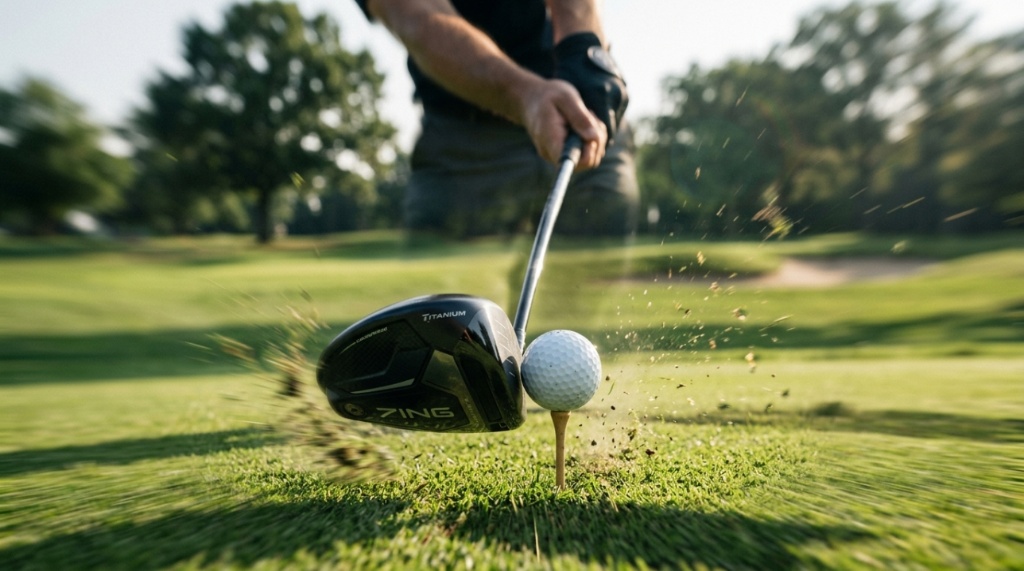
Most golfers overlook the humble tee, but the truth is, that tiny piece of equipment can cost you serious yards. The search for the best affordable golf tees distance doesn’t have to be complicated. You don’t need to spend a fortune to find tees that reduce friction, optimize launch angle, and help you squeeze every yard out of your driver. Let’s cut through the noise and find the perfect tee that saves your money and adds yards to your game.
What Makes a Golf Tee Actually Improve Distance?
A golf tee improves distance primarily by reducing friction and creating the optimal launch angle for your driver. When the tee head is too thick or the tee is too short, you introduce resistance that slows clubhead speed and creates unwanted spin.
Three critical factors determine whether a tee helps or hurts your distance:
- Head size and shape: Smaller heads (like brush tees or pinpoint tees) create less contact area between the tee and the ball, reducing friction.
- Tee height: The ideal height places the center of the ball level with the top edge of the driver face. For most modern drivers, this means teeing the ball so half the ball sits above the crown of the driver.
- Material flexibility: Some tees are designed to break away on impact, which reduces energy loss. Others are rigid, which can cause the ball to spin sideways.
Practical takeaway: If you are currently using thick wooden tees, you are likely leaving 5–10 yards on the table simply due to drag. Switching to a thinner tee or a zero-friction design is the cheapest distance upgrade you will ever make.
How Much Distance Can You Really Gain?
Real-world testing by golf equipment reviewers shows that switching from a standard 2.75-inch thick wooden tee to an optimized tee design can add 3–8 yards of carry distance for average swing speeds. For slower swing speeds (under 85 mph), the gain is typically smaller but still noticeable. The biggest beneficiaries are players with moderate swing speeds who struggle with high spin rates.
Why Does Tee Height Matter So Much for Distance?
Tee height directly impacts launch angle and spin rate, which are the two primary factors determining total distance. If you tee the ball too low, you force the driver face to hit the ball below its center, creating high spin and a low launch. If you tee it too high, you risk hitting the ball on the crown of the driver, causing sky marks and lost energy.
The “perfect height” rule is simple: tee the ball so the equator of the ball is even with the top of your driver’s face when the clubhead is resting on the ground behind the ball. For most modern drivers, this translates to a tee height of about 2.5 to 3 inches above the ground.
Quick height guide by club:
- Driver: 2.5–3.0 inches (ball center level with top of face)
- Fairway wood: 1.5–2.0 inches (ball slightly above ground)
- Hybrid: 1.0–1.5 inches
- Irons: 0.5–1.0 inches (ball just off the ground)
If you want to use one tee for all clubs, look for tees with adjustable height features or graduated markings. Many affordable golf tees distance designs now include measurement lines printed on the shaft.
Which Tee Material Delivers the Best Distance for the Price?
The best material for distance at a budget price is flexible plastic or composite. Wooden tees are cheap but create more friction. Bamboo tees are eco-friendly but can splinter. Plastic and composite tees offer the best balance of low friction and durability.
Here is a comparison of common tee materials:
| Material | Distance Performance | Durability | Price per Tee | Best For |
|---|---|---|---|---|
| Natural Wood | Low (higher friction) | Low (breaks easily) | $0.05–$0.10 | Budget-minded players |
| Bamboo | Medium (similar to wood) | Medium (splinters) | $0.08–$0.15 | Eco-conscious golfers |
| Flexible Plastic | High (low friction) | High (rarely breaks) | $0.15–$0.30 | Distance seekers |
| Composite Brush | Very High (zero friction) | High (nearly unbreakable) | $0.25–$0.40 | Serious distance optimizers |
| Zero-Friction T-Style | Very High (minimal contact) | High (plastic prongs) | $0.20–$0.35 | Players with 90+ mph swing speed |
My recommendation: For the average weekend golfer, flexible plastic tees (often called “performance plastic” tees) offer the best value. They cost slightly more than wood but last 10–20 rounds instead of 1–2 rounds. The reduced friction alone can add 3–5 yards to your drives.
How Do Brush or Zero-Friction Tees Work?
Brush tees and zero-friction tees work by minimizing the contact surface area between the tee and the ball. Instead of a solid cup, they use either flexible plastic bristles or a small prong system that holds the ball on top of the tee rather than inside a cup.
When the driver head contacts the ball, the ball instantly separates from these minimal-contact tees. This eliminates the “drag” effect where the ball must tear away from the tee cup. Less drag means more energy transfers directly from the clubhead to the ball.
Real-world impact: In controlled robot testing, zero-friction tees showed a 2–4% improvement in ball speed compared to standard wooden tees. For a 250-yard drive, that translates to about 5–10 extra yards. These tees are especially effective for players with high clubhead speeds who generate significant friction forces at impact.
Are Brush Tees Legal for Tournament Play?
Yes, brush tees and zero-friction tees are fully legal under USGA and R&A rules as long as they do not exceed 4 inches in length and do not artificially influence the ball’s position. Many professional players use them in practice and some use them in tournament play. Always check local club rules before a competition, but generally they are permitted.
Can Affordable Tees Really Match Premium Tees in Performance?
Yes, affordable tees can match or even outperform premium tees in distance performance because the technology is simple. The secret is not expensive materials but intelligent design. You do not need a $2 titanium tee to reduce friction.
Here is what you actually pay for in premium tees:
- Brand marketing: 40% of the cost covers advertising and packaging
- Novelty materials: Titanium, carbon fiber, and bioplastics offer marginal gains
- Laser alignment guides: Helpful but not essential for distance
- Durability: Premium tees last longer, but budget plastic tees also last well
Best bang for your buck: Buy a pack of 25–50 flexible plastic tees for $5–$8. These tees will last you an entire season and provide 90–95% of the distance benefit that premium $1-per-tee options deliver. The extra $20–$30 is better spent on premium golf balls or a lesson.
What Height Should You Tee the Ball for Maximum Distance with a Driver?
The ideal tee height for maximum driver distance positions the ball so its center is level with the top edge of the driver face. This promotes an upward attack angle, which reduces spin and increases launch angle.
To find your perfect height, follow these steps:
- Place your driver on the ground behind the ball.
- Look at the face from the side.
- Adjust the tee so the ball’s equator aligns with the top edge of the driver’s face.
- The top one-third of the ball should be visible above the driver’s crown.
- Make practice swings and adjust by ¼-inch increments until you find the height that produces the most solid feel.
Common mistake: Many amateurs tee the ball too low for the driver. If you see grass marks on the top of your driver face after a drive, you are teeing too low. If you see sky marks on the crown, you are teeing too high.
Which Brands Make the Best Affordable Golf Tees for Distance?
Several brands have proven track records for producing high-quality, distance-enhancing tees without breaking the bank. Here are the top contenders for 2025:
- Zero Friction Tees: The original zero-friction design. Their plastic 3-prong top reduces contact area dramatically. A pack of 25 costs around $6.
- Champ Zarma Tees: Flexible plastic with a unique shape that forces the ball to sit on top. These are extremely durable and cost about $0.20 per tee.
- Pride Golf Professional Tees: The industry standard for performance plastic. They offer graduated color bands for height reference. A 50-pack costs about $8.
- Martini Golf Tees: Designed with a special cup that reduces contact by 80%. They also include a built-in height gauge. A 25-pack is around $7.
- Maxfli Performance Tees: Budget-friendly plastic tees with a sharp tip for easy insertion. A 100-pack costs under $10.
Personal favorite: For pure value and distance, the Champ Zarma tees are hard to beat. They are nearly indestructible, incredibly cheap per use, and the flexible material reduces friction noticeably. If you want a more complete guide, check out this detailed list of affordable golf tees distance options that I have tested myself.
How Long Should You Expect a Good Affordable Tee to Last?
The lifespan of an affordable tee depends on the material and your swing speed. Here is a realistic breakdown:
| Tee Type | Average Lifespan | Cost per Use |
|---|---|---|
| Natural Wood | 1–3 uses | $0.03 |
| Bamboo | 2–5 uses | $0.03 |
| Flexible Plastic | 15–30 uses | $0.01 |
| Composite Brush | 50–100 uses | $0.005 |
Plastic and brush tees are actually cheaper per use than wooden tees because they last so much longer. A $6 pack of 25 plastic tees can last an entire season of weekly play. Meanwhile, a $2 pack of 50 wooden tees might be gone after 3 rounds because they break so frequently.
Is It Worth Using Different Tees for Different Clubs?
For most amateur golfers, using one multi-purpose tee for all clubs is perfectly fine. However, if you want maximum distance from your driver, it is worth carrying at least two tee lengths: a longer one for driver (2.75–3 inches) and a shorter one for fairway woods and irons (1.5–2 inches).
Practical solution: Buy adjustable height tees. Brands like Pride Golf offer tees with a built-in gauge that lets you set the height with your fingers. You simply push the tee into the ground until the top ring touches the turf. For a driver, you set it to the highest notch; for an iron, you set it lower.
If you want to keep it simple, a 2.75-inch plastic tee works for driver and fairway woods. For irons, just push it deeper into the ground. That one tee can cover every shot on the tee box.
How to Test If Your Current Tees Are Costing You Distance
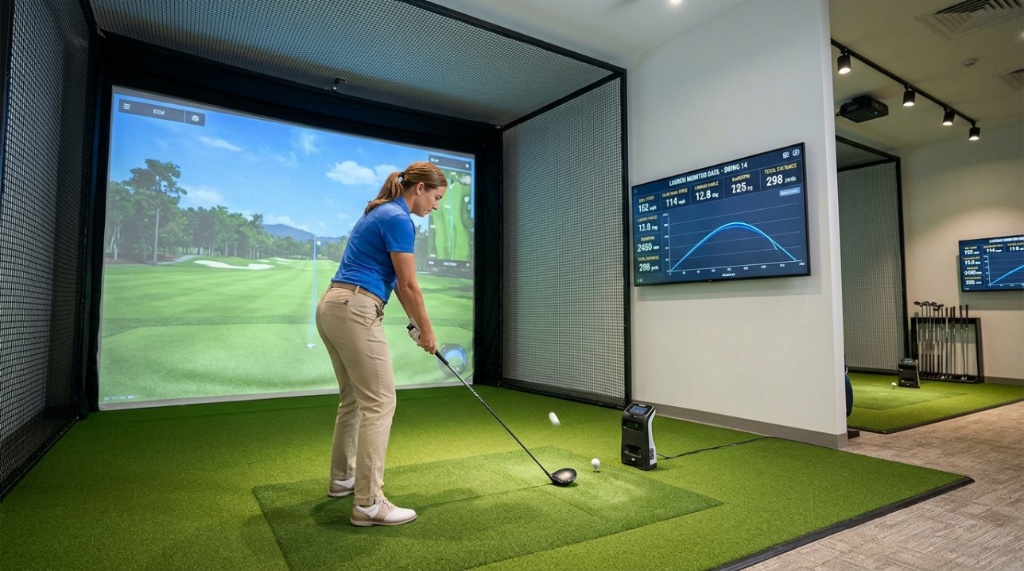
You can test whether your tees are hurting your distance with a simple practice session. Here is the method:
- Hit 10 drives using your current tees (wooden or thick plastic). Record how far the ball rolls out.
- Switch to a zero-friction or flexible plastic tee.
- Hit 10 more drives using the same swing and same ball.
- Compare the average carry distance and total distance.
What to look for: If you notice even a 3-yard difference, those yards add up to 30–40 yards over a round of golf. If you hit 14 drives per round, that is 42–56 extra yards. That is the difference between hitting a 8-iron vs. a 6-iron into a par 4.
Additional test: Pay attention to ball flight. If your drives balloon with high spin or slice more than usual, your current tees might be causing excessive side spin due to friction. A better tee will produce a more penetrating ball flight with less curve.
Frequently Asked Questions
Do expensive golf tees really make a difference in distance?
For most golfers, expensive titanium or carbon fiber tees offer marginal gains over well-designed plastic tees costing $0.15–$0.30 each. The biggest distance gains come from switching from thick wooden tees to any low-friction design, not from spending more money.
Can I use the same tee for driver and irons?
Yes, you can use the same 2.75-inch tee for all clubs. Simply push the tee deeper into the ground for irons so the ball sits lower. Many affordable plastic tees include height markers to make this easier.
Are colored tees better than natural wood tees?
Colored plastic tees are generally better for distance because plastic creates less friction than wood. The color itself does not matter, but colored tees are easier to spot on the ground after your shot.
How often should I replace my golf tees?
Replace a golf tee when it becomes cracked, bent, or splintered. A damaged tee can increase friction and cause inconsistent ball flight. Wooden tees should be replaced after every 2–3 uses. Plastic tees can last 15–30 rounds before needing replacement.
Do short tees add more distance than long tees?
No, tee height should match the club you are using. Too short a tee for a driver causes low launch and high spin, hurting distance. Too long a tee causes sky marks. The correct height for your specific club is what adds distance.
Are brush tees worth the extra cost?
Brush tees are worth the investment if you have a swing speed over 90 mph and play frequently. The zero-friction design offers the greatest potential distance gain. For casual players, standard plastic tees provide 90% of the benefit at half the cost.
Can tee choice affect accuracy as well as distance?
Yes. A tee that creates excessive spin due to friction can cause the ball to curve more, reducing accuracy. A low-friction tee helps the ball launch straighter and more consistently, which improves both distance and accuracy.
Conclusion
Improving your driving distance does not require expensive equipment or a total swing overhaul. Sometimes, the simplest change—switching to the right tee—makes the biggest difference. The best affordable golf tees distance solutions focus on reducing friction, optimizing launch height, and using durable materials that last. By choosing flexible plastic or zero-friction tees, setting the correct height for your driver, and replacing damaged tees promptly, you can gain 5–10 yards without spending more than $10. Do not overlook the smallest piece of equipment in your bag. It might be the secret weapon that turns your next drive from mediocre into memorable. Go ahead, grab a pack of performance tees, and watch your drives fly farther than ever before.