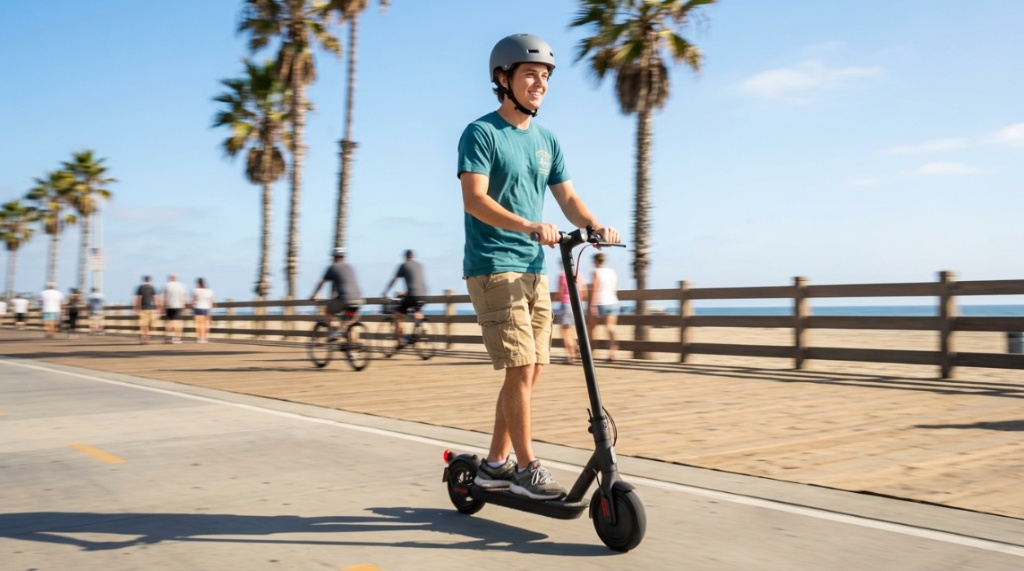
You just bought a skateboard or a commuter bike in California, but you are staring at helmet prices that range from twenty bucks to well over a hundred. It is tempting to grab the cheapest option, but you also know that riding without a proper helmet is risky and illegal in many parts of the state. The good news is that you do not need to spend a fortune to stay safe. Finding a safe helmet under $50 California is absolutely possible if you know what standards to check and where to look. This guide will walk you through exactly how to pick the right helmet without blowing your budget.
What Makes a Helmet Legally Safe for California Roads?
A helmet is considered safe for California roads only if it meets the mandatory safety standards set by the Consumer Product Safety Commission (CPSC). Any helmet lacking this certification is not legally compliant and offers insufficient protection against serious head injuries. California law requires anyone under 18 to wear a helmet while biking, skating, or scootering, and the helmet must be CPSC-certified regardless of the price tag.
Understanding the CPSC 1203 Standard
The CPSC 1203 standard tests a helmet’s ability to absorb impact, resist penetration, and stay securely on the head during a crash. Helmets sold in the United States for cycling and skateboarding must pass this test. When you see a CPSC sticker inside the helmet, it confirms the shell and foam padding meet federally approved safety thresholds.
Why ASTM Certification Matters for Skateboarders
Skateboarding involves different types of impacts compared to cycling. The ASTM F1492 standard specifically covers multi-impact scenarios more common in skateboarding. While a CPSC-certified helmet is legal, choosing one with ASTM certification provides extra durability if you fall repeatedly, making it a smarter choice for skaters looking for a safe helmet under $50 California.
Checking for the Required Labels
Before buying, always inspect the inside of the helmet for a permanent label listing CPSC or ASTM compliance. Avoid helmets that only advertise “bicycle-style” protection without clear certification. No label means no guaranteed safety, regardless of the price or brand name.
How Can a $40 Helmet Offer Real Protection?
Believe it or not, price has very little correlation with the basic safety performance of a helmet under $50. All CPSC-certified helmets, regardless of cost, must pass the same drop tests and impact absorption thresholds. A $40 helmet can be just as protective as a $150 model in a single crash, provided the fit is correct and the retention system is tightened properly.
Where the Price Difference Goes
More expensive helmets often include lighter materials like carbon fiber, advanced ventilation channels, or magnetic buckle systems. These features improve comfort and aerodynamics but do not directly improve crash protection. Inexpensive helmets use denser foam and simpler straps, which still meet safety requirements without the premium design.
The Real Tradeoff: Comfort vs. Safety
Budget helmets may feel heavier or less breathable during long rides. However, safety is not compromised. The real risk with a cheap helmet is poor fit discouraging you from wearing it consistently. A properly fitted $30 helmet is far safer than a loose $100 helmet that slips off during a fall.
Identifying Quality Foam and Shell Construction
Look for expanded polystyrene (EPS) foam liner bonded to a tough polycarbonate shell. Even budget helmets use this sandwich construction. Avoid helmets that feel flimsy or have thin foam that crushes too easily. Most major brands like Schwinn, Triple Eight, and Retrospec maintain consistent quality across their affordable lines.
Which Certification Standards Should You Prioritize?
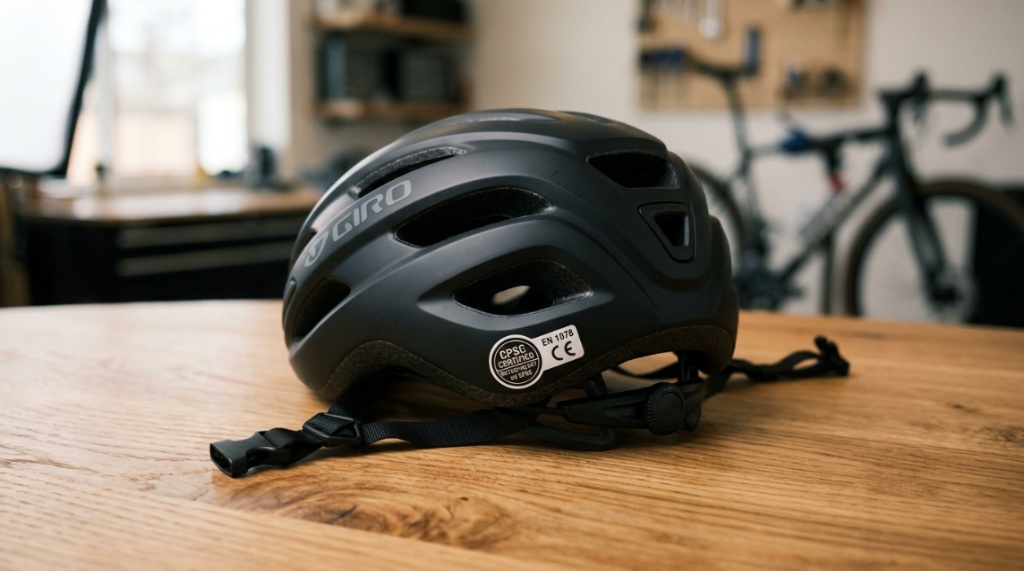
If you prioritize safety above all else, you should look for dual certification: CPSC for cycling legality and ASTM F1492 for skateboarding durability. Some helmets in the sub-$50 range carry both labels, making them the safest and most versatile option for California riders who switch between biking and skating.
Single Certification vs. Dual Certification
| Certification | Best For | Typical Price Range |
|---|---|---|
| CPSC only | Cycling, commuting | $20 – $45 |
| ASTM F1492 only | Skateboarding, rollerblading | $25 – $50 |
| CPSC + ASTM | Multi-sport use | $35 – $60 |
Understanding Multi-Impact vs. Single-Impact Claims
Most budget helmets are designed for single-impact protection, meaning the foam compresses permanently on first impact. True multi-impact helmets, like those using EPP foam, are rare under $50. If you skateboard and fall often, a dual-certified helmet with thicker EPS foam offers the best balance of protection and affordability.
Why You Should Never Buy a Second-Hand Helmet
Used helmets may have hidden damage from previous drops that compromises foam integrity. Even if the shell looks fine, the foam may already be crushed. Always buy new to ensure the protective structure is intact. Budget helmets are cheap enough that buying new is always the better choice.
Where Can You Find Affordable Helmets in California Stores?
You do not need to rely solely on online retailers. Physical stores across California stock certified helmets under $50, especially during back-to-school and summer seasons. Big box retailers, sporting goods chains, and local bike shops all carry budget-friendly options that meet legal safety requirements.
Target and Walmart: The Budget-Friendly Basics
Stores like Target and Walmart offer house brands and popular entry-level helmets priced between $15 and $35. Look for the Schwinn Intercept or the Razor V17, both CPSC-certified and widely available. These helmets are perfect for casual riders and children needing a safe helmet under $50 California for school commutes.
REI and Local Bike Shops
While REI tends to carry higher-end gear, their outlet section sometimes features closeout models from brands like Giro or Bell under $50. Local bike shops may offer clearance on previous season models. Ask the staff to help adjust the fit for free, which adds value without extra cost.
Online Options with Free Returns
Amazon, Target.com, and Walmart.com offer filters for price and certification. Ordering online gives you access to a wider selection of brands like Retrospec or OutdoorMaster. Choose sellers with free returns so you can exchange sizes if the fit is off.
How Do You Ensure a Proper Fit on a Budget Helmet?
A budget helmet only protects you if it fits correctly. Even the most expensive helmet fails when it shifts around or sits too high on your forehead. Focus on fit before price. A good fit means the helmet sits level, covers the forehead, and does not rock side-to-side when you shake your head.
Measuring Your Head Circumference
Use a flexible measuring tape an inch above your eyebrows. Compare the measurement to the brand’s size chart. Most budget helmets come with a universal sizing dial that adjusts from 54cm to 61cm. If your measurement falls between sizes, choose the larger size and tighten the dial.
The Two-Finger Rule for Straps
Adjust the side straps so they form a V-shape just below your ears. The chin strap should be snug enough that only one or two fingers fit between the strap and your chin. If the strap is too loose, the helmet will slide forward or backward during a fall.
Checking the Front Clearance
The helmet should rest about two finger widths above your eyebrows. If it tilts back and exposes your forehead, the fit is too small or the retention system is not tight enough. Many budget helmets have an adjustable rear cradle that helps lock the position.
Can You Use a Multi-Sport Helmet for Both Bike and Skate?
Yes, a multi-sport helmet certified for both CPSC and ASTM standards provides adequate protection for cycling, skateboarding, and scootering. These helmets are widely available for around $35 to $50. They often feature a rounded shape and thicker foam to handle different impact angles.
Pop-Out vs. Fixed-Liner Designs
Multi-sport helmets under $50 usually have a fixed EPS liner. Pop-out liners, which are replaceable, are rare at this price point. Fixed liners are fine for single-impact protection. Just replace the entire helmet after any significant crash.
Ventilation and Weight Considerations
Budget multi-sport helmets have fewer vents (typically 8 to 12) compared to high-end road helmets (20+ vents). This can make them warmer in summer. However, fewer vents actually increase structural integrity. For casual riding and skating, this tradeoff is perfectly acceptable.
Recommended Multi-Sport Models
- Triple Eight Sweatsaver: Certified for both CPSC and ASTM, retails around $45
- Retrospec CM-1: Budget-friendly at $30, dual-certified
- Schwinn Thrasher: Sub-$25, CPSC certified, good for biking
What Features Are Worth Paying For in a $50 Helmet?
Not all budget helmets are equal. Certain features add real value without pushing the price over $50. Look for a visor, a removable and washable liner, and reflective elements. These extras improve comfort, hygiene, and visibility without compromising safety.
Removable Liners for Hygiene
Helmets get sweaty, especially in the California sun. Models with washable liner pads are easier to maintain and last longer. Brands like Triple Eight include brushed fleece liners that wick moisture. Avoid permanently glued foam pads, which trap odor and bacteria.
Dial Adjustment Systems
A dial at the back of the helmet lets you fine-tune the fit quickly. This feature is common even on helmets under $40. Helmets without dials rely on static foam pads that shift over time. A dial system is worth the extra few dollars for a secure, comfortable fit.
Reflective Details for Night Visibility
California riders often share roads with cars at dusk or dawn. Helmets with reflective stickers or straps increase your visibility. Several budget models include reflective piping without costing more. If the helmet lacks reflectors, you can add stick-on ones yourself.
How Often Should You Replace a Budget Helmet?
You should replace any helmet, regardless of price, immediately after a crash that involves a significant impact. The foam compresses on first impact and cannot recover. Additionally, replace your helmet every three to five years, as the EPS foam degrades over time due to heat, sweat, and UV exposure.
Signs of Wear in Budget Helmets
Check for cracks in the outer shell, frayed straps, or foam that feels brittle or crumbles when pressed. If the retention dial becomes loose or broken, the helmet no longer fits securely. Do not try to repair a damaged helmet; replacement is the only safe option.
Storage Tips to Extend Lifespan
Keep your helmet out of direct sunlight and away from extreme heat, such as inside a parked car on a hot California day. High temperatures accelerate foam breakdown. Store it in a cool, dry place like a closet or garage. Use a helmet bag if you carry it in a backpack regularly. While protecting your head is the top priority, your feet need the right grip to prevent falls in the first place; make sure you know how to choose skate shoes that offer proper board control.
Why Is California’s Helmet Law Important for Your Safety?
California’s mandatory helmet law exists because head injuries are the most common cause of death and disability among cyclists and skaters. The law requires anyone under 18 to wear a helmet while riding a bike, skateboard, scooter, or roller skates. Fines for non-compliance can reach $25, but the real cost is the risk of traumatic brain injury.
Understanding the Fines and Enforcement
Police officers can issue citations for riding without a helmet, though enforcement often focuses on youth riders. Parents may be held responsible for a child’s violation. The fine is modest, but the habit of helmet use is worth far more than any penalty.
Helmet Laws for Adults in California
Adults over 18 are not legally required to wear a helmet, but safety experts strongly recommend it. The Centers for Disease Control and Prevention states that helmets reduce the risk of head injury by 63 to 88 percent. Wearing a helmet sets a positive example for younger riders.
For a curated list of helmets that balance safety and budget, check out our complete breakdown of the safe helmet under $50 California options currently available online and in stores.
Frequently Asked Questions
Do I need a special helmet for electric skateboards?
Electric skateboards travel at higher speeds than traditional skateboards. While a CPSC-certified helmet is legally acceptable, many experts recommend a helmet rated for higher impact speeds, like those meeting the NTA 8776 standard for e-bikes. However, these helmets typically cost more than $50.
Can I use a bike helmet for skateboarding?
Yes, if the helmet is CPSC-certified. However, bike helmets are designed for single-impact falls. Skateboarding often involves multiple low-speed falls. For frequent skaters, an ASTM-certified helmet offers better multi-impact protection. Dual-certified helmets cover both uses.
How do I clean my budget helmet?
Use mild soap and warm water to clean the outer shell. Remove the liner pads if possible and hand wash them with detergent. Let them air dry completely before reinserting. Never use harsh chemicals or submerge the helmet in water.
Are cheaper helmets heavier than expensive ones?
Yes, generally budget helmets weigh more because they use denser foam and thicker shells. A $40 helmet may weigh 350 to 450 grams, while a premium model might weigh under 250 grams. The extra weight is noticeable on long rides but is not dangerous.
Can I buy a helmet without a CPSC sticker if it looks safe?
No. Helmets sold without CPSC certification may not meet basic impact standards. They might be designed for fashion or for activities like rollerblading that do not require CPSC approval. Always verify the sticker before purchasing.
What happens if I use a non-CPSC helmet?
You risk insufficient protection during a crash. California law enforcement can cite you if you are under 18. More importantly, a non-certified helmet may shatter or fail to absorb impact, leading to severe head injury. Stick to certified models.
Where can I recycle an old helmet?
Many local bike shops accept old helmets for recycling. Some municipalities accept them in curbside recycling programs, though you should check local rules. You can also repurpose old helmets as craft projects or donate them to theaters for non-safety props.