
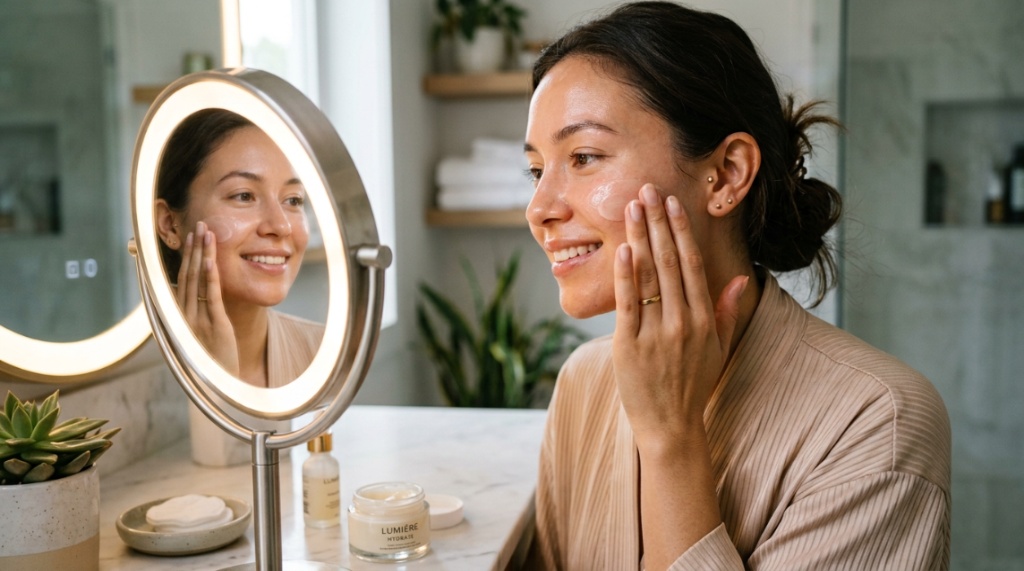
You wake up, splash some water on your face, and hope your skin looks bright and rested. But by midday, your complexion falls flat, looking dull and tired. You’re not alone—millions of people struggle with a lack of radiance because traditional AM routines often miss the mark. The secret isn’t more products; it’s smarter sequencing and ingredient awareness. In this guide, you will discover exactly how to build a morning skincare routine for a glow that is simple, effective, and backed by dermatological science. No fluff, no overpriced serums—just a system that works.
What Does a Morning Skincare Routine for Glow Actually Look Like?
A glowing morning skincare routine follows a specific order: cleanse, treat, hydrate, protect. This sequence ensures active ingredients penetrate deeply while protective layers lock in moisture and defend against UV damage. Skipping any one step can leave your skin looking lackluster by lunchtime.
Understanding the Core Sequence
Think of your morning routine like building a house. You start with a clean foundation (cleansing), add support beams (treatment serums), install insulation (moisturizer), and finish with a roof (sunscreen). Removing any layer makes the whole structure vulnerable. For glow, each step has a specific job: cleansing removes overnight buildup, treatment delivers brightening actives, moisturizer traps hydration, and sunscreen prevents future dullness.
Why Nighttime Recovery Matters for Morning Glow
Your skin repairs itself while you sleep. If you skip night cleansing or use heavy occlusives, morning skin can appear congested or oily. A consistent evening routine ensures you wake up with a fresh canvas. This synergy between PM and AM is critical for achieving that sought-after radiance.
Why Is Cleansing the First Step for Glowing Skin?
Cleansing in the morning removes sweat, oil, and residue from overnight products without stripping your skin barrier. A balanced morning wash preps your skin to absorb brightening ingredients later. Overwashing or using harsh foams can actually reduce glow by causing irritation.
Water-Only vs. Gentle Cleanser: Which Is Better?
If your skin is dry or sensitive, a splash of lukewarm water might be enough. However, for normal to oily types, a gentle, low-pH cleanser (5.0–5.5) removes excess sebum and prepares pores for serums. The key is to avoid sulfates and alcohol. Try a milky or cream-based formula if you feel tightness after washing.
How to Properly Wash Your Face for Glow
Use lukewarm water—hot water strips natural oils. Massage the cleanser for 30 seconds using upward circular motions. Pat dry with a soft towel; never rub. Rubbing disturbs the lipid barrier and creates micro-irritation that dulls the complexion over time.
Which Key Ingredients Boost Glow in the Morning?
Vitamin C is the gold standard for morning glow, followed by niacinamide and hyaluronic acid. These ingredients work synergistically to brighten, even out tone, and plump skin. You do not need five serums—just two or three strategic actives can transform your complexion.
Vitamin C: The Brightening Powerhouse
L-ascorbic acid, the most active form, inhibits melanin production and fights free radicals from pollution. Apply it after cleansing on damp skin. A concentration of 10–15% is optimal for most skin types. Higher percentages can cause irritation and actually diminish glow.
Niacinamide: The Barrier Booster
This multitasker reduces redness, minimizes pores, and strengthens the moisture barrier. It pairs beautifully with vitamin C (despite old myths that they cancel each other out). Use a 4–5% formula for visible results without sensitivity. Niacinamide also regulates oil production, keeping shine in check.
Hyaluronic Acid: Instant Plumping
This humectant pulls water into the skin, creating a dewy, bouncy look. Apply it while skin is still damp from your serum or toner. Seal it with a moisturizer immediately, or the water will evaporate instead of hydrating. This step is non-negotiable for a glass-skin effect.
How Do You Layer Products for Maximum Radiance?
Layer from thinnest to thickest consistency. This rule ensures each product absorbs properly without pilling. A typical order is: serum (water-based) → eye cream → moisturizer → sunscreen. Straying from this order blocks penetration and wastes product.
The Water-Based vs. Oil-Based Rule
Water-based products, like serums and gels, go first. Oil-based products, like emollient creams, go last. If you apply an oil-based moisturizer before a water-based serum, the oil creates a barrier that prevents absorption. This is the most common mistake in morning routines.
How Long Should You Wait Between Steps?
You do not need to wait 10 minutes between each product. Thirty seconds to one minute is sufficient for absorption. If your skin feels tacky, it is ready for the next layer. Press products into the skin rather than rubbing for better absorption and less waste.
| Product Type | Consistency | Application Order |
|---|---|---|
| Vitamin C serum | Water-based | 1st after cleansing |
| Niacinamide serum | Water-based | 2nd |
| Hyaluronic acid | Water-based gel | 3rd |
| Moisturizer | Cream or lotion | 4th |
| Sunscreen | Lotion or stick | 5th and final |
Can Moisturizer Make Glow Last Longer?
Yes, the right moisturizer acts as a humectant trap, preventing water loss and keeping skin plump throughout the day. A lightweight gel-cream for oily skin or a richer formula for dry skin ensures your serums don’t evaporate. Without moisturizer, a glow fades after a few hours.
Selecting the Right Moisturizer for Your Skin Type
If you have oily or combination skin, choose a gel-based moisturizer with ingredients like glycerin or squalane. If your skin is dry, opt for ceramides and shea butter. Avoid heavy petrolatum in the morning—it can clog pores and cause a greasy appearance under makeup or sunscreen.
How to Apply Moisturizer for a Dewy Finish
Use a dime-sized amount. Warm it between your fingers, then press it into your cheeks, forehead, chin, and neck. Do not drag or pull. Dragging creates friction that can lead to fine lines. A gentle pressing motion encourages blood flow, which naturally enhances glow.
Why Is Sunscreen the Most Important Step for Glow?
UV exposure is the number one cause of premature aging and dullness. Sunscreen protects the brightening work your serums did. Without SPF 30 or higher, even the best routine will fail because UV rays break down collagen and trigger melanin production, causing hyperpigmentation.
Chemical vs. Physical Sunscreen for Glow
Chemical sunscreens absorb UV rays and turn them into heat. They tend to be more cosmetically elegant (no white cast). Physical sunscreens sit on top and reflect rays. For a glowing finish, chemical or hybrid formulas work best. Look for micronized zinc oxide if you prefer mineral protection without the ghostly look.
How Much Sunscreen to Apply
Use a nickel-sized amount for your face and another for your neck. Most people apply half the necessary amount. Reapply every two hours if you are outdoors or near windows. Do not skip this step on cloudy days—up to 80% of UV rays penetrate clouds.
Which Mistakes Ruin a Morning Skincare Routine for Glow?
Common mistakes include using too many actives, skipping moisturizer before sunscreen, and forgetting the neck and chest. These errors either cause irritation or waste the glowing potential of your routine. Avoid them, and your results will improve dramatically.
Overloading with Exfoliation
Morning exfoliation is rarely needed. Over-exfoliating strips the barrier, leading to redness and flaking—the opposite of glow. Stick to gentle exfoliation once or twice a week in your PM routine. In the morning, focus on antioxidant protection and hydration. While a great morning routine sets your complexion up for success, true wellness extends beyond your face—elevate your self-care routine and experience the luxury of spa massages at home to unwind after a long day
Applying Products on Bone-Dry Skin
Actives like vitamin C absorb better on slightly damp skin. Applying them on completely dry skin reduces penetration and can cause stinging. Spritz your face with a hydrating toner or water before serums. This small step boosts efficacy significantly.
Skipping the Neck and Décolletage
Your neck ages faster than your face because it produces less oil and receives less skincare attention. Extend your serums, moisturizer, and sunscreen down to your collarbone. This habit prevents a visible line of demarcation between your face and neck.
How Do You Adapt Your Routine for Different Seasons?

Winter requires richer moisturizers and more humectants; summer demands lighter gels and higher SPF. Your glow routine should shift with the weather. Ignoring seasonal changes can lead to dehydration in winter or breakouts in summer.
Winter Glow Routine Adjustments
Swap your gel moisturizer for a cream containing ceramides and fatty acids. Add a facial oil (like squalane or jojoba) as your last daytime step if your skin feels tight. Use a humidifier at night to prevent transepidermal water loss.
Summer Glow Routine Adjustments
Switch to a water-based gel or emulsion. Use a lightweight, non-comedogenic sunscreen. Consider a vitamin C derivative like ascorbyl glucoside if your skin reacts to L-ascorbic acid in heat. Stay hydrated internally—drink water throughout the day.
What Does a Sample Morning Routine Look Like?
A sample routine takes under five minutes and includes five steps: cleanse, vitamin C, hyaluronic acid, moisturizer, and sunscreen. This is the foundation of a morning skincare routine glow that is achievable for any budget.
Step-by-Step AM Routine (Under 5 Minutes)
- Cleanse: Splash water or use a gentle low-pH cleanser. Pat dry.
- Vitamin C serum: Apply 3–4 drops to damp skin. Wait 30 seconds.
- Hyaluronic acid: Apply 2–3 drops to still-damp skin. Press in.
- Moisturizer: Apply a dime-sized amount. Press into skin.
- Sunscreen SPF 50: Apply a nickel-sized amount. Spread evenly.
Sample Product Choices by Budget
- Drugstore: Cetaphil Gentle Cleanser, The Ordinary Vitamin C Suspension, Neutrogena Hydro Boost Gel, La Roche-Posay Anthelios SPF 50.
- Mid-range: CeraVe Hydrating Cleanser, SkinCeuticals C E Ferulic, Paula’s Choice Hyaluronic Acid Booster, EltaMD UV Clear SPF 46.
- Luxury: Tatcha Water Cream, Drunk Elephant C-Firma, Supergoop! Unseen Sunscreen SPF 40.
Can You Skip Steps and Still Get a Glow?
You can streamline, but do not skip sunscreen or moisturizer. The absolute minimum is cleanse, moisturize, and sunscreen. Full glow requires a serum with vitamin C or niacinamide, but even a two-step routine is better than nothing. Consistency matters more than product count.
The Minimalist’s Glow Routine
If you only have two minutes, use a gentle cleanser, a brightening moisturizer with built-in SPF, and a tinted sunscreen. Look for moisturizers with niacinamide or vitamin E. This simple combo provides hydration, protection, and subtle glow without layering.
When to Upgrade from Minimalist to Full Routine
If you still see dullness or uneven skin tone after one month of the minimalist routine, add a dedicated vitamin C serum in the morning and a gentle retinol at night. Upgrade slowly to avoid overwhelming your skin.
Frequently Asked Questions
How long before I see a glow from my morning routine?
Consistent use of an effective routine shows visible results in 4–6 weeks. Vitamin C brightens within 2–3 weeks, while hydration improvements are immediate. Sunscreen prevents future dullness from day one.
Can I use retinol in the morning for glow?
No. Retinol makes skin photosensitive and can cause irritation when exposed to UV rays. Use retinol only in your PM routine. Morning is for antioxidants and protection, not exfoliation.
Is it necessary to use a toner in the morning?
Not strictly. If you use a toner, choose a hydrating, alcohol-free formula with ingredients like glycerin or rose water. Avoid astringent toners in the morning; they strip the barrier and reduce glow.
Do I need to double-cleanse in the morning?
No. Double cleansing is for nighttime to remove makeup, sunscreen, and excess oil. In the morning, a simple water rinse or single gentle cleanse is sufficient. Over-cleansing can dry out the skin.
Can I mix vitamin C and niacinamide together?
Yes, modern formulations allow it. Studies show they do not cancel each other out. If you experience flushing, layer them with a 30-second wait in between, or use one in the morning and one at night.
Should I use a face oil in the morning?
Only if your skin is very dry. Oils should be applied after moisturizer but before sunscreen. Use quick-absorbing oils like squalane or rosehip. Avoid heavy oils like coconut oil in the morning, as they can clog pores under sunscreen.
What if my sunscreen pills under makeup?
Wait two to three minutes after applying sunscreen before applying foundation or powder. Use a sunscreen that is designed to be worn under makeup—look for terms like “invisible” or “makeup primer.” Avoid silicone-based sunscreens with water-based foundations.
Your Glowing Morning Awaits
Building a morning skincare routine for a glow does not require a cabinet full of expensive products. It demands focus on the right sequence: gentle cleanse, targeted serum, hydrating moisturizer, and reliable sunscreen. Each step plays a role in a bigger story—the story of healthy, resilient, and radiant skin that lasts all day. Start with the five-minute routine outlined above, and give it one month of consistent practice. Your skin will thank you with a visible bounce, even tone, and a natural luminosity that no filter can fake. Take the first step tomorrow morning. Your glow is ready.


