
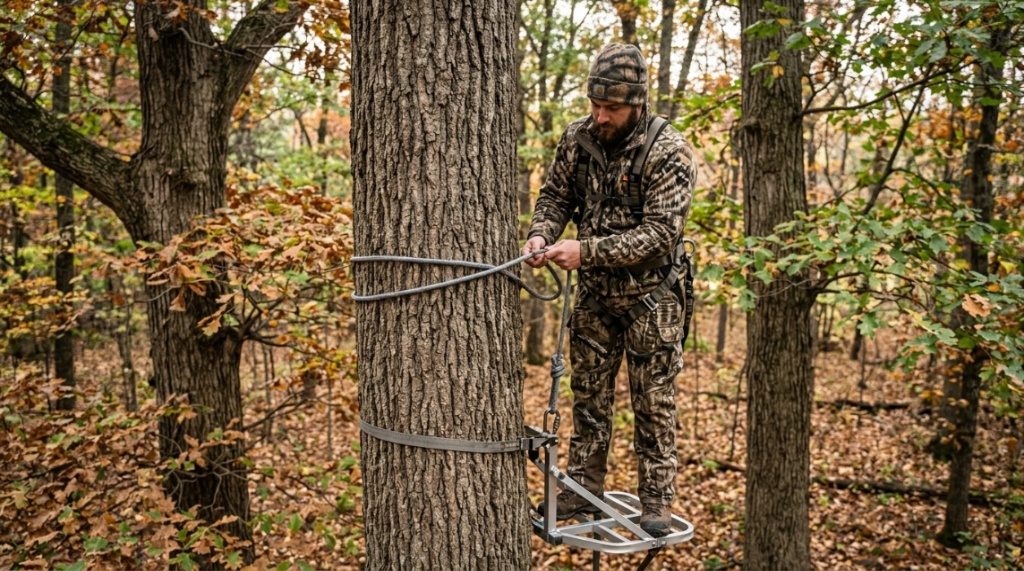
You are 20 feet up a tree, your weight is on your tether, and your feet are resting on your platform. In that moment, nothing matters more than the rope holding your life. Yet many hunters grab the first cheap cord they find online, never considering the forces involved or the consequences of a frayed sheath. If you are moving from hang-on stands to a saddle, you need a safe saddle hunting rope that can handle dynamic loads, abrasion from bark, and repeated knot tying. Otherwise, you are gambling with your safety every time you climb. This guide walks you through the exact specifications, materials, and testing standards that separate a reliable lifeline from a disaster waiting to happen.
What Makes a Rope Safe for Saddle Hunting?
A safe saddle hunting rope must withstand at least 5,000 pounds of breaking strength, resist abrasion from tree bark, and maintain its integrity after repeated knotting. It should not be the same rope you use for towing or general camping. Saddle hunting puts unique stress on the rope because your entire body weight is suspended on it, and a fall onto a static line can injure your spine.
Breaking Strength vs. Working Load
Many ropes advertise a breaking strength of 6,000 pounds, but that is a single-use lab test with no knots. Once you tie a figure-eight or a friction hitch, the rope loses 20–30% of its rated strength. A safe saddle hunting rope should have a minimum breaking strength of 5,000 pounds with knots. Look for ropes rated to climbing standards (UIAA or NFPA), not hardware store utility ropes.
Abrasion Resistance Matters More Than You Think
The rough bark of an oak or pine tree acts like sandpaper on nylon or polyester fibers. Even a few hunts can create fuzzy spots on the sheath. If the core fibers become exposed, the rope is compromised. Polyester blends generally resist abrasion better than pure nylon. Some ropes also come with a tight braid that protects the core from dirt and grit.
Static vs. Dynamic Rope
Static ropes stretch very little under load. While static ropes are common for saddle hunting because they keep you steady on the platform, they transfer more force to your body during a fall. Dynamic ropes stretch and absorb energy, which is safer for high-fall scenarios. For saddle hunting, a low-stretch static rope is acceptable for your tether and lineman belt, but always pair it with a shock-absorbing lanyard or a proper climbing system.
Why Can’t I Use Any Rope for Saddle Hunting?
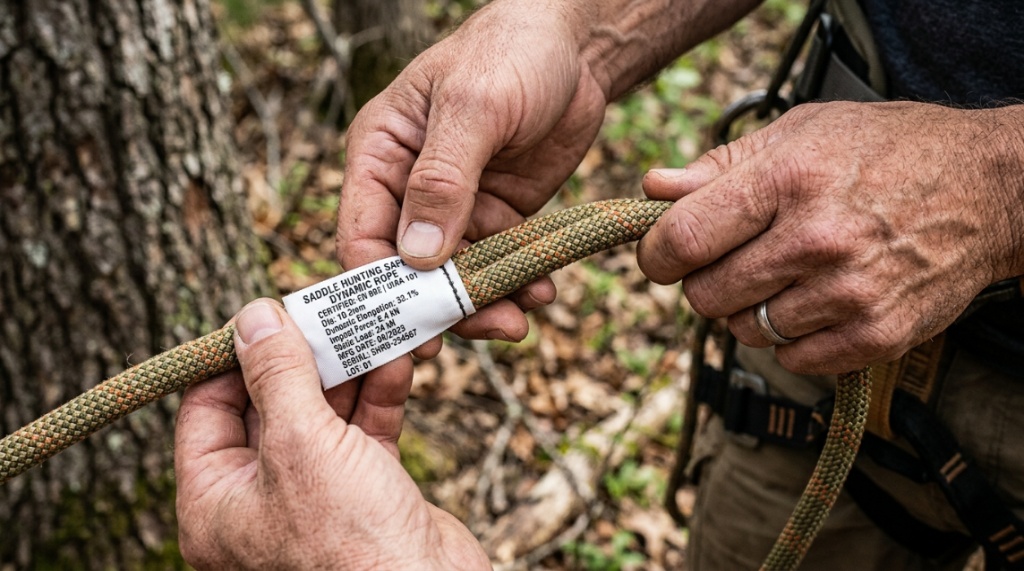
Using a generic rope from a hardware store or an old climbing rope intended for rock climbing can lead to catastrophic failure. Saddle hunting ropes face unique conditions: constant rubbing against bark, exposure to UV rays, and repeated knot tying in the same spot. A rope designed for marine use might be water-resistant but lacks the flexibility to tie a Blake’s hitch smoothly.
The Hidden Dangers of Utility Ropes
Polypropylene ropes (often bright yellow or blue) are cheap, but they degrade quickly in sunlight and have poor knot retention. A knot that slips under load can drop you several feet before catching, causing back injuries or a full fall. Nylon ropes from the hardware store often have a lower strand count and inconsistent diameters, making it difficult to get a secure grab with a mechanical ascender or a friction hitch,Before heading out into the woods, ensure your setup is fully optimized by pairing your tether with Affordable Multi-Purpose Ropes for additional gear management and support.
Why Elasticity Is a Double-Edged Sword
Too much stretch in your tether makes the saddle feel bouncy and unstable. Too little stretch makes a fall feel like hitting concrete. The sweet spot for a safe saddle hunting rope is a low-elongation static rope (1–5% stretch under load) combined with a separate energy-absorbing system, such as a rope-based shock lanyard or a prusik minding pulley setup.
User Error: The Most Common Mistake
Even the best rope fails if you tie the wrong knot or attach it improperly. Many beginners use a simple overhand knot on their tether, which can capsize under load. Always use a figure-eight follow-through or a double fisherman’s knot for critical connections. Practice tying your friction hitch at ground level in daylight before you ever climb a tree.
Which Rope Material Is Best for Saddle Hunting?
Nylon and polyester are the two primary materials used in saddle hunting ropes. Nylon has more stretch and is stronger wet, but polyester offers superior abrasion resistance and holds knots better. Most commercial saddle hunting ropes use a nylon core for strength and a polyester sheath for durability.
Nylon: Strength and Stretch
Nylon can absorb heavy shock loads and is the most common material for climbing ropes. However, pure nylon ropes can be slippery when wet and tend to retain moisture, which adds weight. For a tether that stays dry most of the time, nylon works well. For wet climates, look for a nylon core with a treated sheath.
Polyester: Abrasion Resistance and Knot Stability
Polyester is less stretchy than nylon but much more resistant to UV damage and abrasion. It also grips itself better when tied in friction hitches like the Prusik or Distel. The downside is that polyester is heavier and less impact-absorbent. Hybrid ropes (nylon core, polyester sheath) offer the best of both worlds and are the industry standard for safe saddle hunting rope.
Dyneema and Spectra: Overkill for Most Hunters
Dyneema (UHMWPE) is incredibly strong and lightweight, but it has low friction and poor knot retention. It is also expensive. While some hunters use Dyneema for lineman belts, it is not recommended for beginners because knots can slip under load. Stick with nylon-polyester blends until you have years of experience.
How Do I Test If My Rope Is Still Safe to Use?
Inspect your rope before every hunt, not just at the start of the season. Look for soft spots, fraying, discoloration, or a flattened section that indicates internal core damage. Run the rope through your hands slowly, feeling for inconsistencies.
The Bend Test for Core Damage
Bend the rope into a U-shape. If you see the sheath separate from the core (creating a gap), the rope has internal delamination and must be retired immediately. Also, check for glazing—a shiny, melted appearance on the sheath caused by fast descent through a hitch.
How Often Should You Replace a Saddle Hunting Rope?
If you hunt regularly (20+ days per season), replace your tether and lineman belt every two years. If you hunt in abrasive environments like juniper or pine forests, inspect after every 10–15 climbs. Never buy a used rope from a stranger—you have no idea what it has been through.
Cleaning and Storage Best Practices
Dirt and grit inside the sheath act like sandpaper, cutting core fibers from the inside out. Wash your rope in cold water with a mild detergent (no bleach) and hang it to dry in the shade. Store it in a breathable bag away from gasoline, batteries, and UV light.
What Diameter Rope Should I Use for Saddle Hunting?
Most saddle hunters use rope between 8 mm and 11 mm in diameter. The diameter affects how easy the rope is to handle, how well it fits in mechanical devices, and how much weight it can hold. A 9 mm or 10 mm rope strikes the best balance between packability and ease of tying.
8 mm Rope: Lightweight but Limited
- Pros: Very packable, light, and easy to coil.
- Cons: Harder to grip with gloved hands; requires specialized friction hitches like the 3-wrap Prusik.
- Best for: Backpack hunters who prioritize weight.
10 mm Rope: The All-Arounder
- Pros: Easier to tie knots, holds friction hitches well, durable.
- Cons: Heavier and bulkier than 8 mm.
- Best for: Most saddle hunters, especially those who use mechanical ascenders.
11 mm Rope: Heavy Duty for Bigger Climbers
If you weigh over 250 pounds or plan to use a mechanical belay device, an 11 mm rope offers more margin of safety. It is slower to handle but resists wear better over time. Many commercial saddle ropes come in 11 mm for lineman belts.
How Do I Choose a Friction Hitch for My Saddle Rope?
The friction hitch is what attaches your saddle to the tether and allows you to ascend or descend. A safe saddle hunting rope must work well with your chosen hitch. The most common hitches are the Prusik, Distel, and Michoacán.
Prusik Hitch: Simple and Reliable
The Prusik uses a loop of cord wrapped around the main rope. It grips under load and slides when released. Use a 6–7 mm accessory cord for the Prusik loop. A 3-wrap Prusik works best on 10 mm rope. The Prusik is forgiving and easy to inspect.
Distel Hitch: Smoother Operation
The Distel hitch requires fewer wraps and slides more smoothly on static ropes. It works well with ropes that have a slick polyester sheath. Practice tying it several times until it becomes muscle memory, because a poorly tied Distel can slip.
Mechanical Ascenders vs. Rope Hitches
Mechanical ascenders like the Ropeboard or Aider are faster but heavier. They also require a rope that is within a specific diameter tolerance (usually 8–11 mm). If you switch between a friction hitch and a mechanical device, choose a rope that works for both. A rope that is too stiff may not grip well in a mechanical cam, and a rope that is too soft may deform under the device’s teeth.
Can I Use Rappelling Rope for Saddle Hunting?
Yes, but not all rappelling ropes are suitable. Rappelling ropes are generally static or low-stretch, which is exactly what saddle hunters use. However, many rappelling ropes are designed for single-pitch climbing and come in diameters under 8 mm, which are too thin for safe saddle use.
Differences Between Rappelling and Saddle Ropes
Rappelling ropes are often coated with a slick finish to reduce friction through a belay device. That slickness makes them poor candidates for friction hitches. Saddle ropes need a textured sheath that grips accessory cords. If you use a rappelling rope, test your hitch thoroughly at ground level before climbing.
When a Rappelling Rope Makes Sense
If you already own a 10 mm static rappelling rope (like a PMI or Bluewater), you can use it for your tether and lineman belt. Just be prepared for more slippage in your hitch. Some hunters use a separate rappelling rope specifically for descending after a hunt, keeping their saddle tether as a dedicated friction rope.
How Do I Store and Transport My Saddle Rope?
Improper storage can damage a rope faster than years of climbing. Never throw a rope in the back of a truck on top of sharp gear or leave it coiled tightly in direct sunlight. Use a rope bag or a dedicated stuff sack.
Coiling Techniques That Protect the Fibers
Butterfly coil the rope to avoid kinks. Never use a daisy chain coil for long-term storage because it creates concentrated stress points. Avoid stepping on the rope or allowing dirt to get ground into the fibers.
Avoiding Chemical Contamination
Exposure to gasoline, oil, battery acid, or even insect repellent containing DEET can weaken nylon and polyester. Keep your rope in a separate compartment from your fuel canisters and chemical treatments. If your rope smells like gas, retire it immediately.
FAQs About Safe Saddle Hunting Rope
Is it safe to use a rock climbing rope for saddle hunting?
Yes, but only if it is a static or low-stretch rope. Dynamic climbing ropes have too much stretch for a stable saddle platform. Also, rock climbing ropes are often 9.8 mm or thinner, which requires careful hitch selection. Inspect for wear before each use.
How long does a saddle-hunting rope last?
With proper care and moderate use (20–30 hunts per season), a saddle rope can last 2 to 3 years. Replace it immediately if you see core exposure, glazing, or soft spots. Never push a rope past its visible limits.
Can I use one rope for both my tether and lineman belt?
Yes. Many hunters buy a single length of rope and cut it into two sections. Just make sure both pieces are at least 8 feet long. Mark one as the tether and one as the lineman belt so you do not confuse them during a climb.
What knot is strongest for attaching a saddle bridge to the rope?
The figure-eight follow-through knot is the strongest and most inspectable. It maintains about 75–80% of the rope’s original breaking strength. Avoid using a simple overhand knot because it can roll under load.
Do I need a separate rope for rappelling down?
Not necessarily. You can rappel on your tether rope using a friction hitch or mechanical device. However, many hunters prefer a dedicated rappelling rope to keep the tether clean and avoid wear from abrasive descents. If you rappel often, consider a 10 mm static rope with a smooth sheath.
Conclusion
Choosing a safe saddle hunting rope is about understanding materials, diameters, and maintenance practices that most hunters overlook. A rope that looks clean from the outside can be failing internally, and a rope that is too stretchy or too slick can put you at risk of a fall. Stick with a nylon-polyester blend, test your friction hitch on the ground, and inspect before every climb. Investing in a proper rope gives you the confidence to focus on the hunt instead of worrying about your gear. Once you have the right rope, practice tying knots and adjusting your hitch until it becomes automatic. Then get out there and enjoy the treetops safely.