Fishing Georgia’s diverse waterways—from the swift mountain trout streams of North Georgia to the sprawling bass reservoirs like Lake Lanier and the tidal rivers of the coast—demands a versatile approach to float fishing. The wrong bobber can mean missed bites, tangled lines, and a frustrating day on the water. Understanding the nuances of local conditions is the first step to selecting the perfect strike indicator for your next trip.
The Unique Challenges of Georgia’s Diverse Ecosystems
Georgia is a fisherman’s paradise, but it’s also a state of stark contrasts. A lightweight, sensitive float perfect for a Blue Ridge trout stream will be virtually useless in the windy, open waters of West Point Lake. You need a bobber that can handle current, wind, and the specific species you are targeting. This diversity is precisely why a one-size-fits-all approach to floats fails so often here.
Understanding Strike Sensitivity vs. Casting Distance
There is always a trade-off between a float’s visibility and its weight. Heavier floats cast further into the Georgia wind but are less sensitive to a bream’s subtle nibble. Conversely, a tiny, sensitive float is easy to cast in a creek but impossible to launch across a windy cove. Your first step is to honestly assess your typical fishing environment to find the sweet spot between these competing needs.
Match the Float to the Species
Are you targeting aggressive crappie around brush piles, or wary trout in a clear stream? A slip float is almost mandatory for deep-water crappie fishing on Clarks Hill Lake. For catfish, a large, bulky float that can support heavy sinkers is necessary. Knowing your target species is the simplest way to narrow down the thousands of bobber options available.
What Are the Different Types of Floats Available?
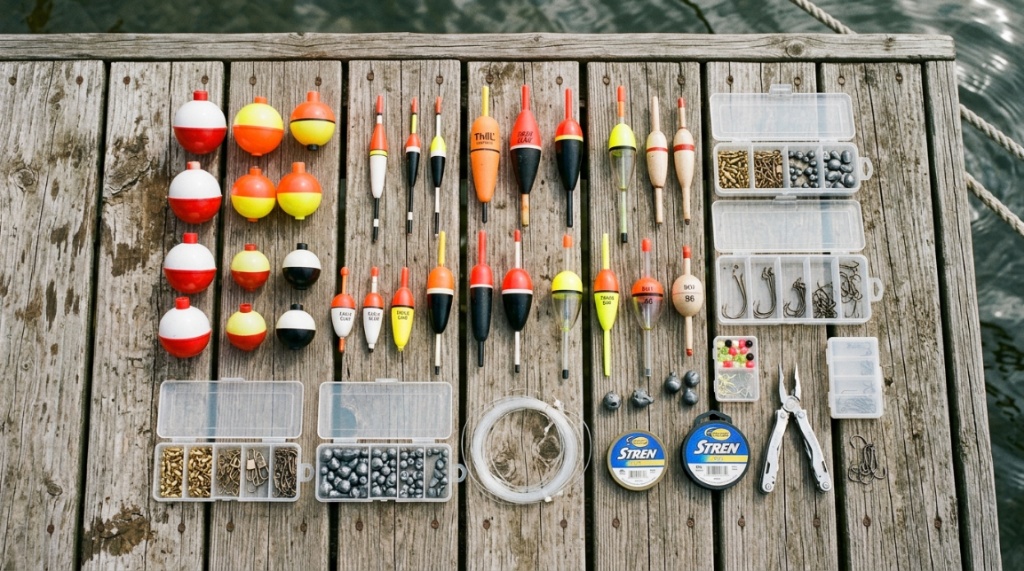
There are four primary types of floats used in Georgia: the classic round bobber, the slip float, the quill or pencil float, and the European-style waggler. Each serves a distinct purpose, ranging from simple bait presentation to precision casting. Your choice should be based on water depth, current speed, and casting distance needed.
Round and Pencil Bobbers for Beginners
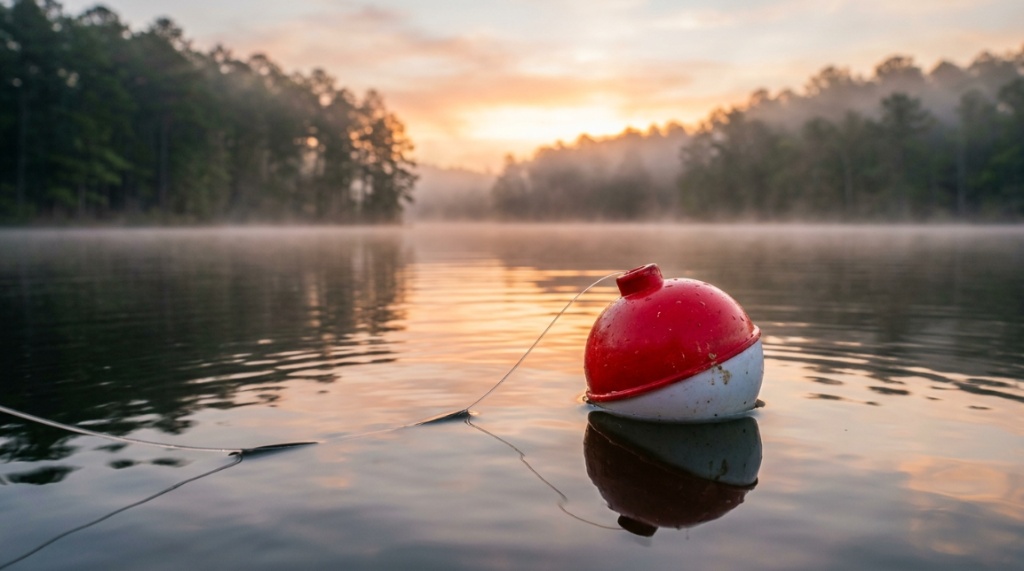
The traditional red-and-white round bobber is fine for kids and dock fishing for bluegill. However, for serious anglers, the pencil float is a better choice. Its elongated shape cuts through the wind better and offers less resistance when a fish takes the bait, making it a fantastic all-around choice for Georgia ponds and slow rivers. These are the most common and easiest to use.
Slip Floats for Deep Water Fishing
When fishing deep holes on the Chattahoochee River or longlining for crappie in reservoirs, a slip float is essential. It allows you to cast a small float while presenting your bait at depths of 10 to 20 feet. The line slides through the float until it hits a bobber stop you’ve tied at the desired depth, making it the most versatile type of float for Georgia reservoir fishing.
Waggler Floats for Competitive Edge
The waggler float is attached to the line only at the bottom, making it extremely aerodynamic. This design is growing in popularity among Georgia anglers because it allows for precise casting into tight spots, like under overhanging trees on the Oconee River. Its sensitivity is unmatched, especially when fishing with light line in calm conditions.While calm inland lakes and rivers call for the right presentation and buoyant bobbers, coastal anglers face entirely different challenges when targeting the surf; make sure you check out the Best Beach Fishing Rod Holder for Windy Days to keep your gear stable in heavy coastal breezes.
Specialty Floats for River Currents
For the fast-moving waters of the Toccoa River, a “stick” float or a “loafer” float is often the go-to choice. These are heavier and designed to ride the current smoothly with minimal drag. They present bait naturally as they drift downstream, which is often the only way to entice a bite from lazy trout in a deep pool.
How Do You Match Float Size to Bait and Weight?
The single biggest mistake Georgia anglers make is using a float that is too large for the bait they are casting. A bobber’s job is to suspend the bait, not to lift it. The buoyancy of the float must be slightly greater than the weight of the bait and split shot combined, allowing the bait to hang naturally while keeping the float upright, While calm inland lakes and rivers call for the right presentation and buoyant bobbers, coastal anglers face entirely different challenges when targeting the surf; make sure you check out the Best Beach Fishing Rod Holder for Windy Days to keep your gear stable in heavy coastal breezes.
Calculating Buoyancy and Payload
A simple way to think about this is the “weight test.” Fill a bucket of water and attach your bait and sinkers to the line. If the float sinks, you are overloaded. If it lies flat, you are underloaded. The goal is to have the float sitting high in the water with only the tip visible or the top half exposed, ready to dip under with the slightest pressure.
Adjusting for Wind and Current
Windy days on Lake Eufaula require more weight to keep your line from dragging. You increase the split shot, but you must also increase the float size to compensate for the added weight. In current, the water pressure on the line will pull the float under, so you need a more buoyant float or a “self-cocking” style that sits lower in the water.
The 90-Degree Rule for Presentation
Ensure your line passes through the float’s attachment points without kinking. The line should form a 90-degree angle with the water’s surface. If the angle is too shallow, you are dragging the bait unnaturally. Adjusting the bobber stop position on a slip float helps maintain this perfect angle, especially when fishing from a bank that slopes steeply.
Which Float Colors Are Most Visible in Georgia’s Stained Water?
Georgia’s waters range from the crystal-clear springs of the Okefenokee to the muddy, tannin-stained rivers of the coastal plain. Visibility is key, but it depends on the time of day. For stained water, fluorescent orange or chartreuse are the best floats for georgia fishing. In low-light conditions, black or dark blue floats are actually more visible than bright colors.
High-Visibility Colors vs. Natural Tones
In murky water, you need contrast. A white float is often lost in a cloudy sky reflection, while a bright orange float stands out against dark water. Conversely, in clear streams, a more subtle, translucent float is less likely to spook wary trout. You must match your bobber’s color to the water clarity, not just the sky.
Lighted Floats for Night Fishing
Night fishing for catfish on the Altamaha River is a Georgia tradition. Lighted floats that use a chemical light stick or LED are essential for these trips. A battery-operated float allows you to see the strike clearly, but remember they are heavier and can affect casting distance. Check Georgia fishing regulations for allowed night-fishing methods.
Polarized Glasses and Float Color
Using polarized sunglasses changes how you see floats. A red top can look black, and an orange float can look green. Experiment with different shades to see which cuts through the glare best on sunny days. Many anglers prefer a two-tone float—bright orange on the bottom and high-visibility yellow on top—to get the best of both worlds.
How to Rig a Slip Float for Lake Lanier Crappie
Rigging a slip float is a skill that will upgrade your fishing game significantly on deep reservoirs. Unlike fixed bobbers, the slip float allows you to cast a 10-foot-deep bait without having a 10-foot-long line dangling from your rod tip. It’s the optimal method for suspending minnows over submerged timber.
Step-by-Step Slip Float Setup
Start by threading your main line through the float’s hollow stem. Then, tie a small bobber stop onto the line at your desired depth (e.g., 8 feet). Below the float, add a couple of split shot to anchor the line, and finally, tie on your hook. When you cast, the float slides down toward the hook, making casting easy.
Selecting the Right Bobber Stop
Tiny rubber bands or pre-tied thread stops are best. Ensure the stop is small enough to pass through the rod guides but large enough to catch on the top of the float. If the stop is too tight, it will damage your line; if it’s too loose, it will slip, and you won’t control the depth.
Depth Setting Strategies for Summer and Winter
In the summer, crappie often suspend at 12 to 15 feet deep. In the winter, they might be holding at 20 feet or deeper. Start with your bait 1 foot above where you see fish on your fish finder. Adjust your bobber stop every 10 minutes if you aren’t getting bites until you find the exact strike zone.
Where Can You Buy High-Quality Floats Locally or Online?
While big-box sporting goods stores carry generic floats, serious anglers often seek out specialized tackle. Local bait shops near Lake Sinclair or the Flint River usually carry regional favorites that are hard to find elsewhere. Online, you have access to specialized brands like Thill, which offers a wider variety of specialist floats.
Local Tackle Shops vs. Online Retailers
Local shops provide the advantage of immediate advice from people who fish the same waters you do. They know what the bass are biting on right now. However, online retailers offer a much broader selection and often better prices, especially if you are buying in bulk or need specific European-style floats that local stores don’t stock.
Reading Reviews and Material Quality
When buying online, look closely at the material. Balsa wood is lightweight and sensitive but fragile. Plastic is durable but heavy. Foam is a great middle ground. Check for reviews that mention the float’s paint chipping or the stem bending. This is often a sign of poor manufacturing that will affect performance.
The Gold Standard of Bobber Brands
Thill is widely considered the gold standard in the USA for float manufacturing. They offer specific models for panfish, walleye, and steelhead. If you are serious about upgrading your tackle, you should explore the premium options available from established brands. You can find a curated list of top-rated models recommended by local experts at this resource on best floats for georgia fishing.
Budgeting for Floats
Floats are one of the cheapest pieces of tackle you can buy, but they break easily. A $2 float that breaks after one cast is more expensive than a $5 float that lasts a season. Don’t skimp on the attachment mechanisms. Check for a sturdy, straight stem and a secure clip that won’t bend out of shape after catching a few fish.
Why Does the Weight of the Float Affect Casting?
Many anglers underestimate how much float weight affects casting accuracy and distance. A heavier float is easier to cast into a stiff Georgia breeze, but it can also create a “splashdown” that scares fish in shallow water. Learning to balance float weight with rod action is crucial for accurate presentation.
Understanding Casting Dynamics
An ultralight rod with a heavy float is a recipe for disaster. The rod needs to load properly to launch the weight. If the float is too light for the rod, you won’t be able to cast it more than a few feet. Match the float weight to the rod’s lure rating—usually printed on the rod blank—for optimal performance.
Aerodynamics and Wind Resistance
Round floats catch the wind and are difficult to control. Slimmer, more streamlined floats cut through the air better. “Self-weighting” floats have a weighted bottom that shifts the center of gravity, allowing the float to fly like a dart and land accurately even with a strong crosswind.
The “Splash Free” Technique
To catch skittish fish, you want minimal splash. That means using a float just heavy enough to cast. If you are bank fishing in a small pond, a heavier float will scare the bream away. In this case, opt for the lightest option that still allows you to reach your target.
Can You Make Your Own Floats for Georgia Fishing?
DIY floats are a fun project and can save you money, especially if you lose a lot of tackle in heavy cover. It allows you to customize weight and color to your specific needs. However, for beginners, it’s often more practical to buy factory-made floats that are perfectly balanced.
Pros and Cons of DIY Bobbers
| Aspect | Pros | Cons |
|---|---|---|
| Cost | Cheap to make in bulk | Time consuming to perfect |
| Customization | Infinite color and size options | Hard to balance perfectly without experience |
| Durability | Can use tough materials | Often less durable than commercial products |
If you enjoy crafting, look up tutorials on making cork or foam floats. But if your goal is to catch fish, the time you spend making floats is better spent on the water learning the structure.
Alternative Materials for DIY Floats
You can use wine corks, Styrofoam, or even hollow plastic pens to create custom bobbers. The key is to get the center of gravity low. You can do this by inserting a weighted wire through the bottom. It’s a great activity to involve kids in before a fishing trip.
How to Maintain Your Floats for Longevity
Proper maintenance ensures your floats remain watertight and sensitive. A cracked float will take on water, losing its buoyancy, and a frayed line through the stem can cut your line at the worst moment. Storing them correctly can be the difference between a $50 yearly expenditure and a $10 one.
Storage Solutions and Prevention
Never leave your floats in a hot car. Heat can warp plastic and foam, ruining their buoyancy. Store them in a tackle box compartment where they can’t rub against heavy lures. Remove them from your line after each trip to prevent memory coils from damaging the straw or stem.
Checking for Damage and Waterlogging
After a day on the water, squeeze your foam floats to expel any absorbed water. Check the paint for cracks. If the paint is chipped, seal it with clear nail polish to prevent the float from becoming waterlogged. An ounce of prevention here is worth a pound of cure.
Conclusion: Your Next Steps to Better Bites
Selecting the right float is about understanding the conditions on the water, not just grabbing the first red and white bobber you see. You now have the knowledge to choose between slip floats for crappie, waggler floats for windy days, and pencil floats for streams. Take this guide with you next time you shop for tackle.
Start by cleaning out your tackle box and disposing of damaged floats. Then, go to your local tackle shop, tell them the lake and species you are targeting and ask to see their selection of specialized floats. Match the weight and color to the water conditions for the weekend forecast.
Upgrading your float is the cheapest, most effective way to increase your catch rate in Georgia. Don’t settle for outdated tackle that hampers your presentation. Dive into the specifics, equip yourself with the right tools, and enjoy the improved sensitivity and casting accuracy that a proper float provides. Tight lines!
Frequently Asked Questions
What is the best type of float for river fishing in Georgia?
For rivers, a stick float or a loafer float is best. These have a lower center of gravity that helps them ride through riffles without dragging under. They track the current smoothly, presenting your bait naturally in the strike zone.
How do I choose the right size bobber for bream?
Use the smallest bobber you can cast. A 1/8 oz or smaller pencil or round float is ideal. The goal is to have a float that dips completely under when a bream takes the bait, not one that requires the fish to pull the whole weight of the float.
Can I use a slip float for catfish?
Yes, slip floats are excellent for catfish, especially when fishing deep holes. They allow you to suspend a large chunk of bait off the bottom, keeping it away from turtles and small bait stealers while making it easy to cast.
Why is my bobber sinking or lying flat?
A bobber sinks if you have too much weight or if it has a crack and is waterlogged. It lies flat if you have too little weight. Adjust the split shot, or replace the float if it is compromised.
Are brightly colored bobbers better for all conditions?
No. In clear water, a bright orange bobber can spook fish. In dark or stained water, bright colors are helpful. For low-light conditions, fluorescent colors are best, but in gin-clear water, a clear bubble or a dark float is more discreet.