
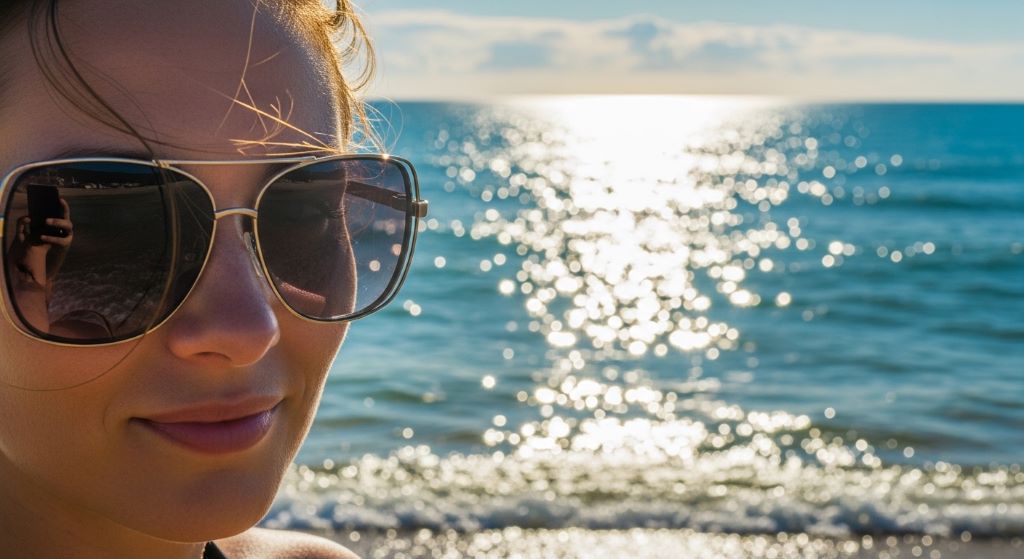
A beach day should feel relaxing and carefree. However, without the right eye protection, the sun and its reflection off the water can cause real discomfort. Squinting all day is tiring. It can also lead to headaches and long-term eye damage.
Polarized sunglasses solve this problem. They are designed specifically to cut down harsh light bouncing off flat surfaces like water and sand. Choosing the right pair, though, takes a little know-how. This guide will walk you through everything you need to consider before your next beach trip.
Why Polarized Lenses Are Worth It for Beach Days
Not all sunglasses are created equal. Standard tinted lenses simply darken your view. Polarized lenses, on the other hand, do something much smarter. They contain a special filter that blocks horizontal light waves — the type that cause glare.
At the beach, sunlight reflects off the water at a low horizontal angle. This creates an intense, blinding glare that regular sunglasses cannot fully handle. Polarized lenses are built for exactly this situation. They eliminate that scattered, bouncing light so you can see clearly and comfortably.
This is where glare reduction sunglasses make a genuine difference. Instead of squinting and straining, your eyes can relax. Colors appear more vivid, and the water looks clearer. It is a noticeably better experience from the moment you step onto the sand.
Understanding UV Protection and Eye Safety
Glare is uncomfortable, but UV rays are the real long-term threat. Prolonged exposure to ultraviolet light can damage the cornea, lens, and retina. Over time, this increases the risk of cataracts and other serious eye conditions.
Beach eye safety depends on more than just avoiding the sun. It also means protecting your eyes from reflected UV rays. Water reflects up to 25 percent of UV radiation. Sand reflects even more when it is dry and fine-grained. Therefore, wearing proper eye protection at the beach is not optional — it is essential.
When shopping for polarized sunglasses, always check for UV400 protection. This rating means the lenses block both UVA and UVB rays up to 400 nanometers. It is the gold standard in eye protection. Polarization alone does not guarantee UV protection, so always look for both features together.
Key Features to Look for in Polarized Sunglasses
Lens Quality
The lens is the most important part of any pair of sunglasses. For beach trips, choose lenses that are optically clear and scratch-resistant. Glass lenses offer the best optical clarity but are heavier. Polycarbonate lenses are lighter and more impact-resistant, making them ideal for active days outdoors.
Additionally, lens color matters more than most people realize. Gray lenses preserve natural color perception, which is great for general outdoor use. Brown and amber lenses enhance contrast, making them excellent for water activities. Green lenses offer a balance of clarity and color accuracy.
For beach trips, gray or brown lenses are usually the best choices. They perform well in bright light and pair naturally with polarized filtering.
Frame Style and Face Shape
Sunglasses should flatter your face while also staying secure. For beach activities, oversized frames offer more coverage. They protect not just your eyes but also the delicate skin around them. Cat-eye, aviator, and wraparound styles are all popular choices for women.
Wraparound frames deserve special mention here. They curve around the sides of your face, blocking sunlight from sneaking in at the edges. This makes them particularly effective for beach eye safety, especially during midday when the sun is at its harshest.
However, style matters too. A frame that feels too sporty for your taste may end up sitting in your beach bag instead of on your face. Look for a design that balances function and personal style so you actually wear it all day.
Frame Material and Durability
The beach is a tough environment for accessories. Sand scratches, saltwater corrodes, and sunscreen residue builds up on almost everything. Therefore, your frame material needs to be able to handle these conditions.
Nylon and TR90 plastic frames are lightweight, flexible, and highly resistant to both saltwater and UV degradation. Acetate frames look polished and come in a wide range of colors, though they require a little more care in salty conditions. Metal frames can look sleek, but salt and moisture may cause corrosion over time unless they are specifically coated.
Additionally, look for rubber or silicone nose pads and temple tips. These grip your skin better when you are sweaty or wet. A pair of sunglasses that keeps sliding down your nose is frustrating, especially when you are swimming or playing beach volleyball.
Fit and Comfort
No matter how good the lenses are, uncomfortable sunglasses will not stay on your face. Make sure the frame fits well across the bridge of your nose without pinching. The temples should sit flat against the sides of your head without pressing too tightly.
For women with smaller faces, many brands now offer petite or slim-fit options. These have narrower frames and shorter temple arms, which makes a significant difference in both comfort and appearance.
Nose pad design also affects comfort. Adjustable nose pads allow you to customize the fit, while molded pads on plastic frames are fixed but often ergonomically shaped. Either can work well as long as they distribute the weight evenly.
Additional Features That Enhance Performance
Lens Coatings
Beyond polarization and UV protection, several coatings can improve your beach experience. Anti-reflective coatings on the back surface of the lens prevent light from bouncing off the inside of the lens into your eye. This is a commonly overlooked detail that can make a real difference in comfort.
Hydrophobic coatings repel water droplets, which is very useful at the beach. Instead of smearing, water beads up and rolls off. This keeps your vision clear even if you get splashed or step out of the ocean.
Some lenses also come with oleophobic coatings, which resist fingerprints and sunscreen smudges. These make cleaning much easier throughout the day.
Polarization Quality
Not all polarized lenses are equally effective. Premium polarization is embedded within the lens material itself. Lower-quality versions are sometimes just a film applied to the lens surface. That film can peel, bubble, or wear off over time.
A simple test can help you identify quality polarization in a store. Hold the lens up to a screen (like your phone at an angle) and rotate it. If the lens darkens significantly at a certain angle, the polarization is working properly. Additionally, a pair of glare reduction sunglasses that feels comfortable in bright artificial light will almost certainly perform well outdoors.
Photochromic Options
Some polarized sunglasses also come with photochromic lenses. These lenses automatically adjust their darkness based on the light around them. They are useful for days when you move between shaded areas and open beach.
However, photochromic lenses may not darken as effectively behind car windshields, since windshields already block some UV rays. If you are driving to the beach, this is worth keeping in mind when choosing your pair.
Price Range and What to Expect
Polarized sunglasses range from budget-friendly to luxury. A quality pair typically starts around $30 to $50 for reliable polarization and UV400 protection. Mid-range options between $80 and $150 usually offer better materials, coatings, and fit. Premium brands can cost $200 or more and often include lifetime repair programs and optical-grade lenses.
You do not need to spend a fortune to get good protection. However, extremely cheap polarized sunglasses — often under $10 — may not meet UV400 standards despite their claims. Therefore, always buy from a reputable retailer and check the product specifications carefully.
Caring for Your Sunglasses at the Beach
Good sunglasses last longer with proper care. Rinse your lenses with fresh water after each beach trip to remove salt and sand. Dry them with a microfiber cloth, not a t-shirt or towel, which can leave fine scratches over time.
Store your sunglasses in a hard case when they are not in use. Tossing them into a beach bag without protection is the fastest way to scratch the lenses. Additionally, avoid leaving them face-down on hard surfaces, even for a moment.
Sunscreen is a common culprit for lens damage. Try to put your sunscreen on first and let it absorb before handling your sunglasses. If sunscreen does get on the lenses, clean it off promptly with a lens-safe cleaner.
Conclusion
Choosing the right polarized sunglasses for beach trips is about more than just style. It starts with understanding why polarization matters and what it actually does for your vision. From there, the key is to balance lens quality, UV protection, frame material, and fit.
Look for UV400 certification alongside polarization. Choose a frame style that suits your face and stays secure during active moments. Consider additional coatings for water resistance and smudge protection. And set a realistic budget that prioritizes quality without overspending.
The right pair of sunglasses can transform a beach day. Your eyes will feel less tired, your vision will be clearer, and you will be protecting your long-term eye health at the same time. With a little research and the right checklist, finding your perfect pair is easier than it sounds.
Frequently Asked Questions
What is the difference between polarized and regular sunglasses for the beach?
Regular sunglasses reduce overall brightness by darkening the lens. Polarized sunglasses go a step further by filtering out horizontal glare caused by sunlight reflecting off water and sand. This makes them far more effective and comfortable for beach environments.
Do polarized sunglasses provide UV protection?
Not automatically. Polarization and UV protection are two separate features. Always check that your sunglasses are labeled UV400, which means they block 100 percent of both UVA and UVB rays. Many quality polarized sunglasses include both, but it is important to verify before buying.
What lens color is best for beach trips?
Gray lenses are ideal for maintaining natural color perception in bright sunlight. Brown and amber lenses enhance contrast, which can be helpful near water. Both are solid choices for beach days, and the best option depends on personal preference and how you plan to spend your time.
How can I tell if polarized sunglasses are good quality?
Look for lenses that block UV400 radiation, and test the polarization in a store by holding them at an angle in front of a bright screen. Premium polarized lenses have the filter embedded in the lens, not just applied as a surface film. Also check for optical clarity — quality lenses should not distort your vision.
Are wraparound sunglasses better for the beach?
Wraparound styles offer superior coverage because they block sunlight from entering at the sides of the frame. This makes them especially effective for beach eye safety during midday hours. However, they can feel more sporty than fashionable, so the best choice ultimately comes down to your personal style and activity level.
Related Topics: