You’ve finally lined up that weekend trip to the Guadalupe River or a long afternoon paddling along the coast near Corpus Christi. The only problem? Your feet are bare, and the thought of stepping onto sun-baked rocks or scraping oyster beds makes you wince. Kayaking in Texas means riverbeds full of sharp chert, hot sand, and slippery boat ramps. You need footwear that protects without punishing your wallet. But finding truly inexpensive kayaking shoes Texas that don’t fall apart after one trip feels like searching for a cool spring in August. The good news is that affordable options exist—you just have to know what to look for. This guide breaks down how to pick durable, cheap kayaking shoes that handle Texas terrain, keep your feet safe, and leave you with cash left over for bait or gas.
What Features Should You Prioritize in Cheap Kayaking Shoes?
Protection Against Sharp Objects
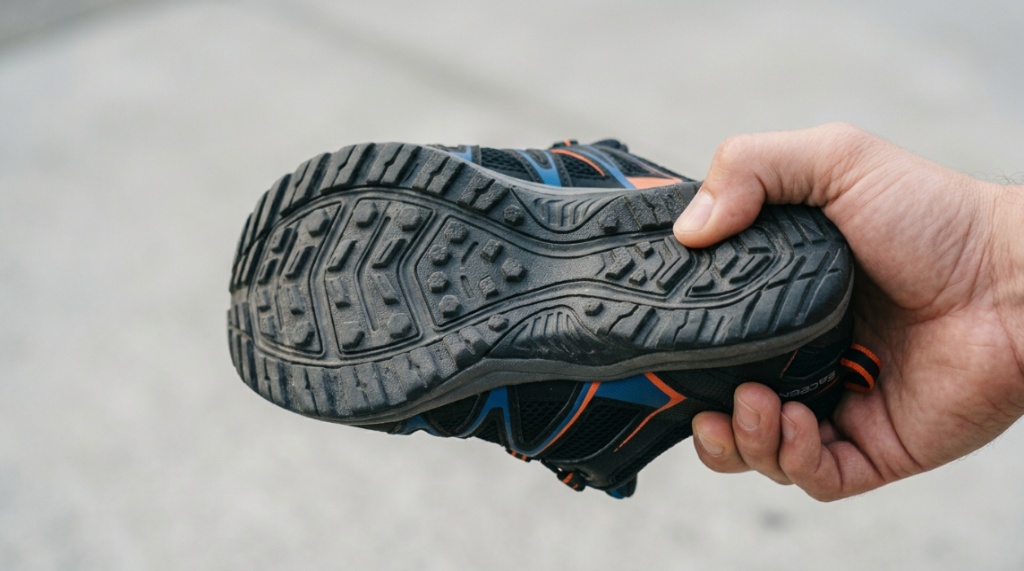
Texas waterways hide plenty of hazards. Broken glass, sharp limestone, fishing hooks, and zebra mussel shells can ruin your day in seconds. Inexpensive shoes still need a sturdy sole that resists punctures. Look for rubber outsoles at least 4mm thick. Thinner soles feel more flexible but offer little protection against a hidden bottle cap.
Secure Fit to Prevent Slipping Off
A shoe that slides off your heel on a wet boat ramp is dangerous and frustrating. Adjustable straps—especially a heel strap—are non-negotiable. Even budget-friendly aqua shoes usually include this, but check before you buy. A snug fit also prevents blisters during long paddles or portages.
Quick Drainage and Fast Drying
Wet shoes that stay wet lead to soggy feet and, eventually, mildew. Mesh panels and drain holes allow water to escape immediately when you lift your foot. Neoprene or mesh uppers dry faster than synthetic leather. For Texas humidity, fast drying keeps your gear lighter and more comfortable.
Why Can’t You Just Wear Old Sneakers for Kayaking?
Sneakers Hold Water and Mud
Canvas or mesh sneakers act like sponges. Once wet, they stay heavy and cold. The extra weight tires your legs during a long day on the water. Sneaker soles also lack the grip needed on a slick boat deck or algae-covered rocks. You end up slipping more than you expected.
Sneakers Don’t Drain Properly
Most sneakers don’t have drainage ports. Water pools inside, causing your skin to prune and increasing the risk of blisters. After a day in a Texas river, your sneakers might still be soaked the next morning. That’s not ideal if you’re camping or traveling light.
Lack of Dedicated Traction Patterns
Kayaking shoes feature specialized treads that channel water away and grip wet surfaces. Sneaker treads are designed for dry pavement or dirt. On a smooth kayak hull or a mossy rock, they offer little traction. A fall on concrete or rock can injure your ankle or break your gear.
How Do You Find Inexpensive Kayaking Shoes That Actually Last?
Focus on Sole Construction
Cheap shoes often skimp on the sole. Look for direct-injection rubber molding rather than glued-on soles. Glued soles tend to separate after a few wet-dry cycles. A rubber outsole that wraps slightly up the toe also adds durability against abrasion when you drag your feet over gravel.
Check Stitching and Reinforcements
Double stitching at stress points—like where the strap meets the heel—indicates better construction. Reinforced toe caps prevent early wear. Even budget brands like Speedo, Body Glove, or Vestiva use reinforced panels. Run your finger along seams; avoid shoes with loose threads or rough edges.
Read Reviews from Texas Anglers and Paddlers
Reviews from people using the same rivers and lakes you fish or paddle are gold. Look for mentions of “Guadalupe shale,” “oyster beds,” or “hot sand.” If several reviewers say a $25 pair lasted two seasons, that’s a solid vote of confidence. If multiple reviews mention soles delaminating, skip that model.
Which Materials Are Best for Budget-Friendly Kayak Shoes?
Mesh Uppers for Breathability
Mesh allows sand, small pebbles, and water to escape. It also dries quickly in the Texas sun. The trade-off is less insulation, but in Texas heat, that is rarely a problem. Mesh is also cheaper to manufacture, which keeps the price low.
Neoprene for Comfort and Stretch
Neoprene offers a snug, sock-like fit without rubbing. It stretches slightly to accommodate different foot shapes. Neoprene shoes often have a split-toe or tab design for barefoot feel while still offering some protection. They are easy to slip on and off when you’re in a hurry.
Rubber vs. EVA Soles
Rubber soles are heavier but more durable and offer better grip on wet surfaces. EVA (foam) soles are lightweight but wear down faster on rough terrain and become slippery when wet. For kayaking in Texas, choose a rubber sole even if it costs a few dollars more—it will outlast the EVA alternative.
Where Can You Buy Affordable Kayaking Shoes in Texas?
Big Box Retailers and Sporting Goods Stores
Stores like Academy Sports + Outdoors, Walmart, and Dick’s Sporting Goods stock budget-friendly aqua shoes. Academy’s Magellan brand often has durable, low-cost options specifically designed for Texas waterways. You can try them on and feel the sole before buying.
Online Marketplaces
Amazon, eBay, and specialty fishing sites offer wide selections. Use filters to sort by price and ratings. Watch for sales at the end of summer when seasonal gear gets discounted. Prime shipping helps if you need them quickly for an upcoming trip. For a curated list of top-rated, budget-friendly options, check out this guide to inexpensive kayaking shoes Texas paddlers recommend.
Outlet and Discount Stores
Nordstrom Rack, Ross, and Marshalls occasionally carry aqua shoes from reputable brands at steep discounts. Inventory is unpredictable, but if you find a pair from Merrell or Keen for half price, grab them. Inspect soles for delamination before buying.
How Should Cheap Kayaking Shoes Fit?
Snug Heel and Toe Room
Your heel should not lift when you walk. A loose heel causes blisters and instability on uneven ground. Your toes should have about half an inch of space in front. Tight toe boxes lead to numbness after hours in the boat.
Consider Wearing Socks
Some cheap aqua shoes are rough against bare skin. Thin neoprene or polyester socks prevent chafing and keep sand out. They also add a layer of warmth on cooler mornings. Test the fit with the socks you plan to wear, even if those socks will get wet.
Try Them on Wet or With Wet Feet
Shoe fit changes when wet. Neoprene stretches slightly, and mesh relaxes. If possible, wet your feet or bring a spray bottle to the store. Walk around for a few minutes to feel for pressure points. A shoe that feels perfect dry might rub when wet.
Can You Use Water Shoes Made for Other Activities?
Snorkeling Shoes vs. Kayaking Shoes
Snorkeling shoes usually have thin, flexible soles for swimming. They offer minimal protection against sharp rocks or hot sand. They also drain well but lack the ankle support and heel lockdown needed for carrying a kayak. Use them only for calm, sandy launches.
Hiking Sandals as an Alternative
Hiking sandals like Chacos or Tevas provide excellent grip and durability. However, they cost more upfront, and open toes leave you vulnerable to stubbed toes and oyster cuts. If you already own a pair, they work, but they are not specifically designed for constant water immersion.
Fishing Booties or Wading Shoes
These offer great protection and grip but are heavier and take longer to dry. They also cost more. Unless you specifically wade in rocky rivers, stick with lighter aqua shoes. Full wading boots are overkill for a casual day of kayaking in most Texas lakes.
How Do You Maintain Cheap Kayaking Shoes to Make Them Last?
Rinse Thoroughly After Each Use
Texas water contains silt, sand, and sometimes salt. Salt crystals can corrode straps and stitching. Rinse your shoes with fresh water immediately after your trip. Pay attention to crevices where sand lodges. A quick rinse takes two minutes but adds months to shoe life.
Dry Them Out of Direct Sunlight
Direct Texas sun degrades rubber and fades neoprene. Dry your shoes in the shade with good airflow. Stuff them with newspaper to absorb moisture from the inside. Avoid placing them on a hot concrete patio or near a campfire.
Store Them Loose
Do not crush them under heavy gear or fold them tightly. Store them at room temperature, away from extreme heat or cold. Heat can soften the glue, causing delamination. Cold can make rubber brittle. A simple mesh bag in your garage works fine.
What Are the Best Budget Brands for Kayaking Shoes in Texas?
Speedo Surfwalker Series
Speedo offers some of the most affordable aqua shoes available. The Surfwalker series features thin soles but decent drainage and a snug fit. Best for calm, sandy launches or short trips. Not ideal for heavy rock hopping, but good for the price.
Body Glove 3T Cinch
These shoes use a cinch cord system for quick adjustment. Neoprene upper offers comfort, and the rubber sole provides acceptable grip on wet surfaces. They dry quickly and cost under $30 on many platforms. A solid option for beginners.
Vestiva Water Shoes
Vestiva shoes often have a thicker soled model at a budget price. They feature a bungee lace system and drainage holes. Their tread patterns are aggressive enough for light scrambling. Many Texas anglers use them for bank fishing and kayaking.
ALEADER Water Shoes
ALEADER uses synthetic suede and mesh uppers with a wide toe box. They are lightweight and pack flat. The rubber sole is reasonably durable. They are frequently on sale, sometimes under $20. Good for occasional use or as a backup pair,,While saving money on footwear is easy, never compromise on safety gear; make sure to select USCG-approved PFD for NC or your local state waters before heading out.”
When Should You Replace Your Inexpensive Kayaking Shoes?
Signs of Sole Separation
If the rubber sole begins peeling away from the upper, it is time to replace them. Trying to glue them back usually fails after one more trip. A separated sole can trap rocks or cause you to trip.
Loss of Traction
When the tread pattern wears smooth, grip decreases drastically. Slipping on wet rocks or a boat deck signals danger. Check the sole regularly, especially the heels and toes, where wear happens fastest.
Persistent Odor or Mold
If you cannot get the musty smell out after thorough cleaning and drying, the foam inside has likely degraded. Mold can cause skin irritation. Do not risk it—buy a new pair. Cheap shoes are cheap enough to replace.
Conclusion
Choosing inexpensive kayaking shoes for Texas waterways does not mean settling for flimsy, disposable footwear. By prioritizing a rubber sole, secure heel fit, and quick-drying materials, you can find reliable protection for under $40. Rinse them after every trip, dry them in the shade, and watch for signs of wear. This approach keeps your feet safe from oyster shells and hot sand while leaving your budget intact. Next time you plan a paddle, invest wisely in a pair that fits well and lasts. Your feet—and your wallet—will thank you.
Frequently Asked Questions
Do I need kayaking shoes if I only paddle on lakes?
Yes. Lake entries often involve muddy banks, slippery boat ramps, and submerged debris like fishing line or broken lures. Kayaking shoes protect your feet and provide traction. Even calm lakes have hazards you cannot see from the surface.
Can I use regular water shoes for kayaking?
Yes, but choose models with rubber soles and snug heel straps. Avoid thin, sandal-style water shoes that expose your toes or lack ankle support. Regular water shoes work fine for casual kayaking if they meet these basic criteria.
How do I know if a cheap water shoe will fit well?
Check size charts carefully. Many budget brands run small, so order a half-size larger. Read reviews that mention fit relative to other brands. If possible, buy from a store with a good return policy. Fit is more important than price.
Are expensive kayaking shoes worth the extra cost?
Expensive shoes often use higher quality rubber, better stitching, and more durable neoprene. They last longer but can cost three to four times more. For occasional paddlers, inexpensive options are fine. For weekly kayakers, spending a bit more may save money in the long run.
What socks should I wear with kayaking shoes?
Thin neoprene or polyester socks work best. Avoid cotton, which stays wet and causes blisters. Neoprene socks add warmth and prevent sand irritation. In hot weather, go without socks, but be prepared for potential rubbing.
Can I wear kayaking shoes for hiking?
Brief hikes to the water are fine, but kayaking shoes lack the arch support and cushioning needed for longer walks. Walking on hard pavement or rocky trails in them can cause foot fatigue. Use them only for short distances.
How often should I replace cheap kayaking shoes?
With regular use (once a month), expect to replace them after one to two seasons. If you kayak weekly, consider replacing them annually. Watch for sole separation, loss of grip, or persistent odor as signs it is time for a new pair.